Pharmacy technician requirements inMontana
How to become a pharmacy technician in Montana
Searching for pharmacy technician requirements in Montana, but unsure where to start? We’ve got you covered. Below you’ll find the specific education, training, certification, and registration standards Montana sets for pharmacy technicians, along with contact details for its board of pharmacy.
Meeting pharmacy technician requirements often means obtaining a national Certified Pharmacy Technician (CPhT) credential, which is earned by passing a recognized national examination covering fundamental pharmacy knowledge. However, national certification is not mandated everywhere, and pharmacy technician requirements by state can differ widely, with states setting their own standards and regulations.
Whether you’re determining if your state mandates certification or want to understand continuing education obligations for keeping your credentials current, our guide to pharmacy technician requirements by state will help you confidently move forward.
Montana pharmacy technician requirements
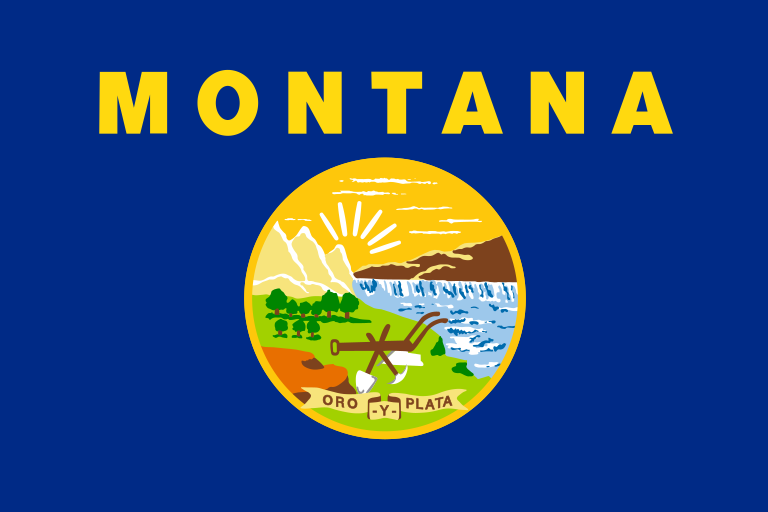
Here’s everything you need to know about becoming a pharmacy technician in Montana:
- Age:Must be 18-years or older
- Education requirements:Must have earned a high school diploma or GED
- Criminal background check:Expected to undergo a criminal background check, including having fingerprints taken
- Training program requirements:Not required
- National certification requirements (PTCB or NHA):Required
- Registration with the state board:Required
- State board registration/license application details:Required on an annual basis.
- Do pharmacy technicians serve on the state board as technical representatives?:Yes
- Continuing education requirements:Continuing education is required - 20-hours every 2 years.
- Renewal fee:Renewal fee: $50.00
Compiled from Montana board of pharmacy sources as of . Fees and continuing education requirements change regularly — confirm the current rules with the Montana board of pharmacy before you apply.
Montana pharmacy board contact details
- 301 S. Park Avenue 4th Floor Helena, MT 59620
- (406) 841-2371
- DLIBSDPHA@MT.GOV
- https://boards.bsd.dli.mt.gov/pharmacy/
How to become a pharmacy technician
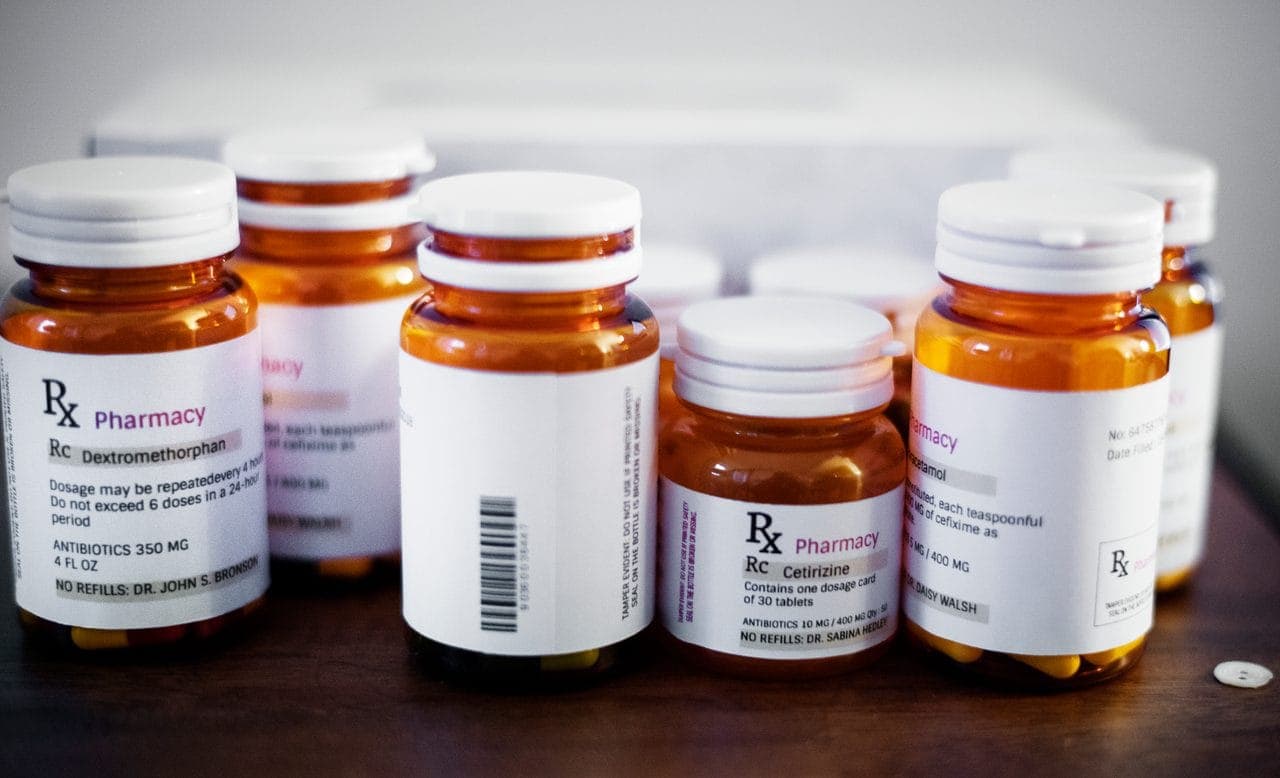
Generally, meeting pharmacy technician requirements begins with a few essential steps:
- Be at least 18 years old (some states allow candidates who are 16 or 17)
- Hold a high school diploma or equivalent credential
- Pass a criminal background check
- Become certified by either the Pharmacy Technician Certification Board (PTCB) or the National Healthcare Association (NHA)
Depending on your state, additional pharmacy technician requirements may include:
- Completing an approved pharmacy technician training program (if not fulfilled through national certification)
- Registering and obtaining certification with your state’s pharmacy board
Pharmacy technicians must also fulfill ongoing continuing education requirements to maintain active certification. This process typically involves completing additional coursework through recognized pharmacy technician training programs and paying renewal fees to keep credentials current.
Many pharmacy technician training programs are available to help you start a pharmacy technician career. You can choose from an online pharmacy technician training program, a formal associate’s degree, or gain experience through on-the-job pharmacy technician training. Online pharmacy technician training programs are widely accessible and convenient, but hands-on, in-person experience offers invaluable skill development that prepares you for the realities of pharmacy technician jobs.
Completing a recognized pharmacy technician training program or degree and working as a local pharmacy trainee gives you thorough preparation for your certification exam and the daily responsibilities in pharmacy technician careers. Review your state’s specific requirements for how to become a pharmacy technician, and explore opportunities in your area through the list of PTCB-Recognized Pharmacy Technician Education and Training Programs.
In order to become a pharmacy technician in many states, obtaining a national certification such as the PTCB’s PTCE or the NHA’s ExCPT is a crucial step. Both the PTCE (Pharmacy Technician Certification Exam) and the ExCPT (Exam for the Certification of Pharmacy Technicians) are widely recognized pharmacy technician certification exams designed to ensure your competence in essential areas like pharmacology, prescription processing, billing, pharmacy law, regulations, and medication safety. Successfully passing either the PTCE or ExCPT will fulfill most U.S. pharmacy technician certification requirements. Both the PTCE and ExCPT cost $129.
The PTCE is administered by the Pharmacy Technician Certification Board (PTCB), and the ExCPT is offered by the National Healthcareer Association (NHA). The PTCB certification, validated through the PTCE, is especially valued in hospital and clinical pharmacy settings and offers specialized credentials such as certifications in immunization, sterile compounding, and other advanced CPhT credentials. Conversely, earning the ExCPT through NHA better positions certified pharmacy technicians for retail pharmacy technician roles. Although the NHA does not provide additional certifications directly, ExCPT-certified technicians can seek further credentials through accredited third-party providers.
Both certifications require a high school diploma and a series of training requirements. For the PTCB certification, candidates must have completed a PTCB-recognized education or training program or equivalent work experience (500 hours). For the NHA certification, candidates must have completed a pharmacy technician training or education program within the last 5 years or have gained a total of 1 year of work experience (at least 1,200 hours) within the last 3 years.
The PTCB’s PTCE and the NHA’s ExCPT are nationally accepted certification exams for pharmacy technicians, making it possible to work across various states once certified. Exam fees and content details may vary between the PTCE and ExCPT, so choosing the pharmacy technician exam aligned with your career goals is important. For further guidance on exam content, differences, and which certification route is best for you, read our breakdown of the key differences between the PTCE and ExCPT certification exams.
General state requirements and exceptions

Here are the states where a pharmacy technician license is not a national or state-level requirement, and there are minimal pharmacy technician requirements regarding registration or certification. Keep in mind that some basic requirements for pharmacy technicians, such as age eligibility and passing a criminal background check, may still apply:
- Delaware
- Hawaii
- Pennsylvania
The following states have pharmacy technician requirements that mandate completing an approved pharmacy technician training program:
- Alabama
- Alaska
- Arkansas
- California
- District of Columbia
- Florida
- Illinois
- Indiana
- Iowa
- Louisiana
- Maine
- Maryland
- Massachusetts
- Michigan
- Minnesota
- Nevada
- North Carolina
- North Dakota
- Ohio
- Oklahoma
- Rhode Island
- Utah
- Vermont
- Washington
- West Virginia
Some states listed above allow pharmacy technicians to fulfill their state’s training requirement by completing a state-recognized pharmacy technician training program or passing a national certification exam. Always verify current pharmacy technician training programs and requirements with your state board, as regulations can change.
The following states require pharmacy technicians to be certified by an organization such as the Pharmacy Technician Certification Board (PTCB) or the National Healthcareer Association (NHA):
- Arizona
- Colorado
- Idaho
- Illinois
- Iowa
- Kansas
- Louisiana
- Maine
- Montana
- Nevada
- New Mexico
- New York
- North Dakota
- Oregon
- Rhode Island
- South Dakota
- Texas
- Utah
- Virginia
- Washington
- Wyoming
If you reside in any of these states and are planning to become a certified pharmacy technician, it is important to understand the role of national exams like the PTCE and ExCPT. These certifications are essential for obtaining your PTCB or NHA credentials, which are required or highly recommended for pharmacy technicians.
To help you prepare, explore our comprehensive resources on the PTCB and ExCPT exams. Earning national certification through either the PTCB or NHA makes it easier to transfer your pharmacy technician license between states, ensuring your credentials remain valid as you move. Even if your state does not mandate national certification, passing the PTCE or ExCPT can open doors to advanced pharmacy technician positions and higher earning potential.
Here are the states with pharmacy technician license requirements, where pharmacy technicians must register with the state board of pharmacy. In some states, this state-level registration is required in addition to national certification, making these pharmacy technician requirements by state critical to be aware of:
- Alabama
- Alaska
- Arizona
- Arkansas
- California
- Colorado
- Connecticut
- District of Columbia
- Florida
- Georgia
- Idaho
- Illinois
- Indiana
- Iowa
- Kansas
- Kentucky
- Louisiana
- Maine
- Maryland
- Massachusetts
- Michigan
- Minnesota
- Mississippi
- Missouri
- Montana
- Nebraska
- Nevada
- New Hampshire
- New Jersey
- New Mexico
- New York
- North Carolina
- North Dakota
- Ohio
- Oklahoma
- Oregon
- Rhode Island
- South Carolina
- South Dakota
- Tennessee
- Texas
- Utah
- Vermont
- Virginia
- Washington
- West Virginia
- Wisconsin
- Wyoming
If you are looking to fulfill pharmacy technician license requirements, be sure to review these pharmacy technician requirements by state to ensure compliance with local regulations before beginning your pharmacy technician career.
Key takeaways

Several necessary steps are involved in becoming a pharmacy technician, especially if you reside in a state with extensive requirements. Now that you know where to begin, you can look forward to a rewarding and stable pharmacy technician career, helping patients manage pain, recover from injury, and improve overall health. Be sure to complete your background check, fulfill all required pharmacy technician training, take the PTCE or ExCPT certification exams if needed, and submit all necessary forms and fees.
Within a couple of years or even a few months, you’ll be ready to pursue pharmacy technician jobs across a wide range of settings such as retail pharmacies, hospitals, compounding pharmacies, and specialty pharmacy businesses. A fulfilling future as a pharmacy technician or certified pharmacy technician (CPhT) is well within reach.
Interested in pharmacy technician requirements in other states?