Personalize your ACT/SAT prep for better results


Chris Sanderson is the founder of Sanderson Test Prep, a boutique educational services company based in Miami, Florida. He discovered his passion for teaching during his tenure at Kaplan Test Prep from 2006 to 2010, where he supported students across a wide range of exams, including the MCAT, SAT, ACT, PCAT, GRE, GMAT, LSAT, and more. Chris later advanced to the role of master trainer, overseeing the recruitment and training of new instructors. At Sanderson Test Prep, Chris and his team are committed to helping students reach their full potential through rigorous tutoring and personalized educational coaching.
Table of contents
How to stick to a study schedule when life gets busy
Key takeaways
- Skip rigid, generic plans. The most effective study schedules work with your real life.
- Plan ahead by working backward from test dates to keep prep manageable.
- Focus on timing and building strong foundations, rather than just counting study hours.
- Cramming offers short-term gains, but real mastery comes from consistent, active practice.
- Purposeful, collaborative preparation builds not only scores but long-term habits and resilience.
Keeping up with a study schedule can feel overwhelming, especially in college or during high school test preparation, when classes, extracurricular activities, work, social life, and constant digital distractions compete for your attention. Research consistently shows that regular study habits improve comprehension and long-term retention; yet, many students struggle to maintain consistency once life becomes busy.
The issue isn’t a lack of motivation or discipline. Real success comes from learning how to balance time, energy, and attention in a way that fits your life. By avoiding common study traps and using proven learning strategies, you can stick to a study routine that supports both strong academic performance and overall well-being.
Move beyond generic prep timelines
Many standardized test prep plans promise results through strict formulas, such as studying a fixed number of hours each week for several months. In reality, these one-size-fits-all schedules rarely work. A student juggling AP classes and varsity sports needs a very different approach than someone with fewer commitments or different learning needs.
Students also begin test prep with varying skill levels. Research-backed learning strategies suggest that targeting specific weaknesses, such as focusing on math fundamentals for a strong reader, leads to better results than spreading effort evenly across all subjects.
What to do instead:
- Take an honest look at your weekly schedule and energy levels.
- Use a diagnostic test to identify both strengths and areas for improvement.
- Focus study time on the areas that will yield the biggest score improvements.
Online platforms, such as Khan Academy and official practice tests, allow for targeted and efficient study. Regular check-ins help you adjust before stress builds. Most importantly, build flexibility into your plan. Expect interruptions such as exams, illness, or major projects, and adjust your schedule accordingly. A study routine that aligns with your real life is far more sustainable (and effective).
Plan strategically and work backward
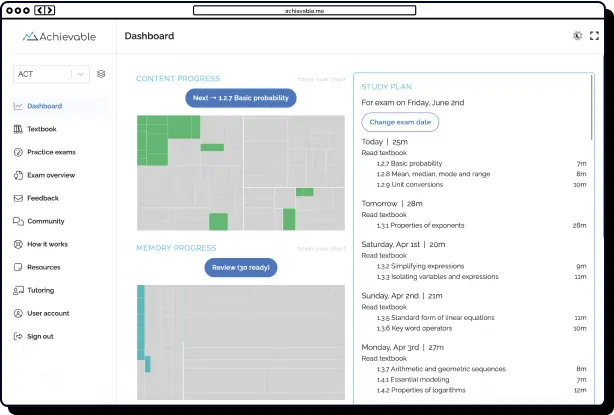
Effective study planning is about more than filling time slots on a calendar. One of the most reliable methods is backward planning. Start with your test date, then map backward to schedule study blocks, review periods, and full-length practice tests.
Spacing your learning over weeks or months, rather than cramming, dramatically improves retention. Begin by laying out major commitments such as exams, performances, work shifts, or family events. Identify your busiest weeks and plan lighter study sessions during those periods.
For example, during a demanding week like tech rehearsal for a school play, skip full practice tests and focus instead on short concept reviews or error analysis.
Helpful planning tips:
- Schedule checkpoints, such as timed sections or topic reviews.
- Study at the time of day when you’re most focused.
- Allow buffer weeks to recover from missed sessions without panic.
Backward planning provides structure without rigidity, helping you stay consistent even when plans change.
Avoid common study pitfalls
One common mistake is starting intense study sessions right before long breaks or during unpredictable periods. When routines are disrupted, consistency drops, and forgetting increases.
Another frequent issue is jumping into advanced practice before mastering foundational skills. For example, tackling complex math problems without a strong grasp of algebra or geometry often leads to frustration and wasted effort.
Avoid these pitfalls by:
- Beginning serious prep during stable periods, not chaotic ones.
- Using early sessions to strengthen fundamentals.
- Letting diagnostic results guide what you study first.
Solid foundations make advanced practice far more productive and help ensure that progress lasts beyond test day.
Build sustainable study habits
Long-term learning is driven by consistency, not marathon study sessions. The spacing effect, a well-established learning principle, demonstrates that shorter, repeated study sessions result in significantly better retention than cramming.
Active study techniques matter just as much as timing. Instead of rereading notes, focus on strategies that require effort and engagement:
- Self-quizzing
- Explaining concepts out loud
- Applying ideas to new problem types
Treat study sessions like non-negotiable appointments. Even 20 - 30 minutes of focused practice can be highly effective when done consistently. On especially busy days, brief review sessions can help maintain momentum and prevent burnout.
Make test prep strategic and collaborative
Test prep works best when it’s intentional. Instead of studying everything at once, set clear, narrow goals, such as improving accuracy on a specific question type or raising performance in one section.
Collaboration also plays a powerful role. Teachers can clarify complex concepts and offer constructive feedback. Study partners offer accountability and fresh perspectives. Working with others builds resilience and fosters a deeper understanding.
Break preparation into manageable steps, start early, and allow time for review and adjustment. Use high-quality resources, such as official practice exams and trusted online tools, to supplement your studies.
Beyond test scores, strategic prep helps students develop time management, self-discipline, and problem-solving skills that extend far beyond the classroom.
Personalized scheduling: your key to test success
The most successful SAT and ACT students avoid rigid study schedules. Instead, they build personalized routines based on timing, readiness, and real-world commitments.
As you prepare for a major exam, outline your obligations early, protect consistent study time, and adjust intensity as needed. There’s no single “perfect” study plan: only the one that works for you. Starting small and staying consistent often beats ambitious plans that fall apart.
Parents and educators can support students by emphasizing quality over quantity and encouraging regular, focused review.
When study routines are realistic and well planned, test prep becomes less stressful and far more rewarding. Thoughtful scheduling builds confidence, deepens learning, and empowers students to pursue their academic goals with clarity and control.