Study tips and preparation strategies to pass the SIE exam


Creighton Mithcell is a Former D1 athlete and graduated from Penn State with a degree in Economics. He is currently a corporate banking analyst for an MM bank in Boston.
Preparing for the Securities Industry Essentials (SIE) exam is an important milestone for anyone beginning a career in finance. While the exam is often described as an entry-level credential, it still requires thoughtful preparation, strong study habits, and a clear understanding of core industry concepts. In this post, Creighton shares the experience of studying for and passing the SIE, strategies that helped, and lessons learned.
When I decided to take the SIE exam, I knew it was more than just a box to check. For me, the SIE represented a foundational step into the financial services industry and a signal to myself and future employers that I was serious about building a career in finance. While the exam is often described as “entry-level,” I quickly learned that passing it confidently still requires discipline, structure, and the right resources.
Motivation and challenges
My motivation for taking the SIE exam was career-driven. I wanted to strengthen my technical foundation and position myself competitively as I progressed in my career. The SIE covers a broad range of topics (markets, products, regulatory structure, and ethics), and I viewed it as an opportunity to truly understand how the industry fits together, not just memorize facts to pass an exam.
The most challenging part of SIE prep wasn’t any single topic: it was the breadth of material. The exam touches everything from equity securities to investment company products to regulatory bodies, and early on, it was easy to feel overwhelmed by how much there was to cover.
Rather than rushing through everything, I had to shift my mindset. The goal wasn’t speed; it was comprehension. Once I accepted that, the process became much more manageable.
Balancing studying with real life
Like many candidates, I was studying while working full-time. That meant efficiency mattered. I settled into a consistent routine: short, focused study sessions during the week and longer review blocks on weekends. I didn’t aim for marathon sessions. Instead, I prioritized steady progress and regular reinforcement.
What helped most was having a clear plan. Knowing exactly what I needed to cover each day eliminated decision fatigue and made it easier to stay disciplined even on busy days.
Strategies that worked
- Structured content progression: Moving through topics in a logical sequence helped concepts build on one another rather than feeling disconnected.
- Active recall and practice questions: Testing myself early and often highlighted weak areas and reinforced retention.
- Regular cumulative review: Revisiting older material helped me avoid forgetting earlier topics as I moved forward.
Most importantly, I focused on understanding why answers were correct or incorrect. That depth of understanding paid off on exam day.
Building confidence with Achievable
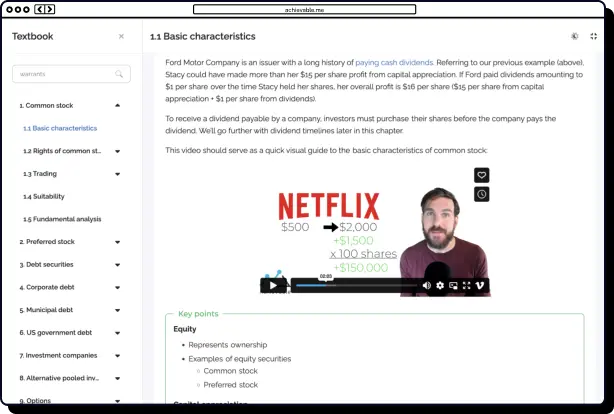
Achievable was central to my preparation. The platform’s clear explanations, intuitive layout, and well-designed practice questions made studying more efficient and less stressful. The material felt aligned with the exam’s intent. It didn’t feel like I was just testing trivia, but reinforcing core concepts.
By the time I completed the course and practice exams, I felt genuinely prepared rather than just “hoping for the best.” That confidence was earned, and it mattered.
Passing the exam
Going into test day, I was nervous but calm. I trusted my preparation. As I worked through the exam, I recognized patterns and concepts I had practiced repeatedly. Even when I encountered challenging questions, I knew how to reason through them.
Walking out of the testing center knowing I had passed was deeply satisfying, not just because I passed, but because I felt I had mastered the material.
If I could do one thing differently, I would start the light review earlier. While my preparation was effective, spacing out the review even more would have made the process feel smoother. That said, the overall approach worked, and I wouldn’t change much.
Encouragement for future test-takers
If you’re just starting your SIE journey, my advice is simple: be consistent, trust the process, and focus on understanding, not memorization. The exam is absolutely achievable with the right structure and mindset.
High-stakes exams can feel isolating, but you’re not alone. Others have done it, and you can too.
Passing the SIE has given me momentum and confidence as I continue advancing in my finance career. For now, I’m taking time to appreciate the milestone, then it’s on to the next challenge.