How the MCAT shapes your pre-med path


If you are an undergraduate enrolled in a pre-med program, or even a high school student thinking ahead about pre-med requirements, you’ve likely heard about the MCAT. As a vital part of the journey to becoming a doctor, the Medical College Admission Test (MCAT) is closely tied to the pre-med course requirements that prepare students for admission to medical school. Navigating this complex exam, along with your required pre-med courses, can naturally raise questions or concerns. Gaining a clear understanding of the MCAT and how it fits within standard pre-med prerequisites will help you confidently progress toward your goal of a career as a physician.

What is the MCAT?
The MCAT, or Medical College Admission Test, is a standardized examination required for entrance into most medical schools. The exam is specifically designed to assess your readiness for medical school through a series of challenging multiple-choice questions. These questions evaluate key subjects that will be relevant throughout your medical education and career.
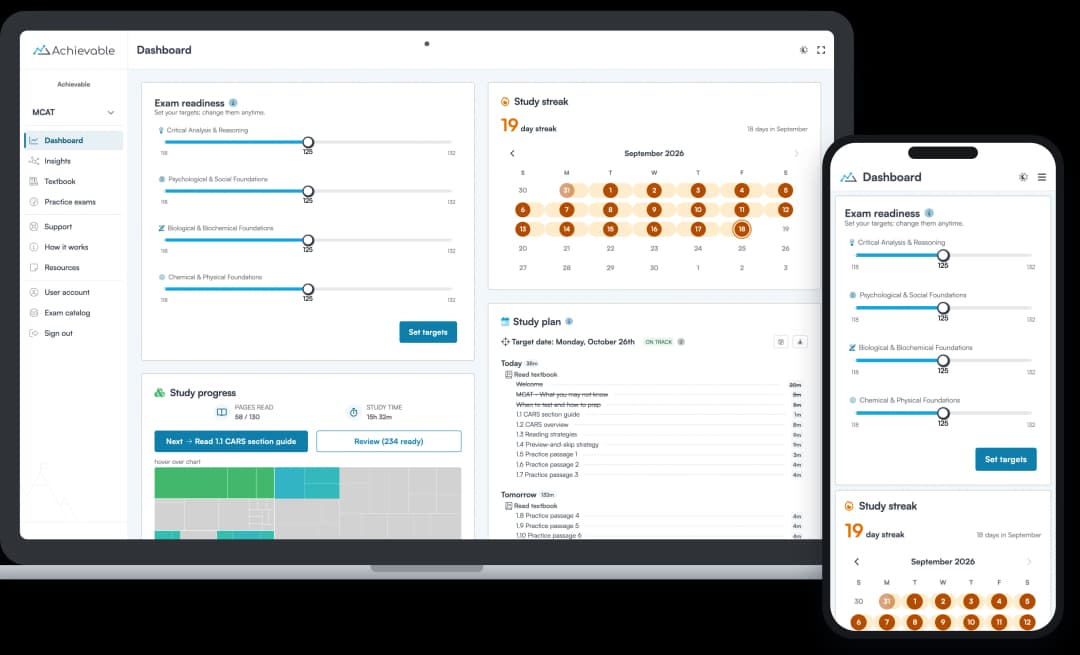
The test is divided into four scored sections, each assessing different foundational areas necessary for future physicians:
- Biological and Biochemical Foundations of Living Systems
- Chemical and Physical Foundations of Biological Systems
- Psychological, Social, and Biological Foundations of Behavior
- Critical Analysis and Reasoning Skills
To determine the best time to take the MCAT, it’s important that you have thoroughly covered these topics during your undergraduate studies and premedical coursework. Proper preparation in these areas not only helps you succeed on test day but also sets a strong foundation for your medical journey. By planning when to take the MCAT in line with completing these courses, you can optimize your readiness for both the exam and your future in medicine.
The MCAT’s role in pre-med
If you are a pre-med student planning to attend medical school in the U.S. or Canada, you’ll almost certainly need to take the MCAT: nearly every U.S. school requires it, and so do most Canadian schools outside Quebec. Meeting med school prerequisites, which include completing mandated and recommended courses and preparing for this critical examination, is a vital step on your path to a medical career.
During your undergraduate studies, it is important to fulfill core pre-med course requirements that closely align with the content tested on the MCAT. Most pre-med students choose majors in biology, biochemistry, or physical sciences because these concentrations typically encompass required classes such as general chemistry, organic chemistry, physics, and introductory biology. Selecting these majors allows you to efficiently satisfy most prerequisites as well as build the foundational knowledge expected by medical schools.
Preparing for the MCAT is a significant component of your pre-med journey. Students who plan to start medical school right after college typically take the exam in their junior year, often in the spring or early summer, after completing most of the medical school prerequisites. Allocating time for MCAT preparation can be challenging, as balancing intensive coursework, rigorous extracurricular activities, and application planning demands excellent time management skills. The AAMC doesn’t set a study time and advises testing when you feel most prepared, but plan on several months of steady study to fully master the required content, a substantial but necessary investment.
Why is the MCAT important?
The MCAT is a crucial component of gaining admission to medical school, as the vast majority of both DO and MD programs require MCAT scores to be included in students’ applications. While it is not the sole criterion for admission, achieving a competitive MCAT score is essential, as most schools use it as a benchmark in their selection process alongside other factors. You should strive for a competitive MCAT score of 511 or higher (students who started at U.S. MD schools in fall 2025 averaged 512.1), given that the highest possible score is 528. Reaching this threshold strengthens your application by demonstrating mastery of critical concepts that will be built upon in advanced med school coursework.

Conclusion
Taking the MCAT is a main milestone on the path to becoming a doctor. It provides a comprehensive assessment of science knowledge and critical reasoning skills. It significantly influences admission prospects to medical schools and profoundly shapes the undergraduate pre-medical experience. While not the sole determinant in the admissions process, a strong MCAT score is an undeniably strengthening point in an applicant’s profile, making a thorough understanding of its nature and importance a crucial first step on the challenging yet rewarding journey toward a career in medicine.