What is pre-med?


Table of contents
When someone says “I am pre-med,” we often assume it refers to a specific path to medical school in undergraduate universities, perhaps even a specific major. However, this idea is limiting and does not encompass the diversity of studies in the “premedical” category. Pre-med is intended to prepare future doctors for medical school, but it is not a specific major or degree program. It includes much more than just academics. While the classes taken in undergraduate school are incredibly important for admission to MD or DO programs, many other factors play a leading role in this process.
The pre-med track encompasses academics, extracurricular activities, and preparation for the MCAT. In the quick guide below, we’ll be going over the main features of pre-med programs, what to expect if you’re a student aspiring to become a doctor, and how to prepare for your academic journey.

Academics
Let’s begin with one of the most critical aspects of pre-med requirements: academics. To meet medical school prerequisites and succeed in medical school, undergraduate students must complete challenging pre-med courses that provide a strong foundation in scientific and analytical disciplines. These med school requirements typically include coursework in biology, general and organic chemistry, biochemistry, physics, mathematics, English, psychology, sociology, and other relevant subjects, though each school sets its own list. This comprehensive selection of pre-med courses prepares students for the academic rigor they will encounter as they advance in their undergraduate studies and medical school.
While pre-med coursework is rigorous, maintaining a competitive GPA is crucial when applying to medical school. Most programs require applicants to have a strong academic record, with the average GPA of students entering U.S. MD programs now about 3.8. Given the demanding nature and the intensity of required courses, achieving and sustaining such a high GPA can present a significant challenge for most aspiring medical students.
Extracurriculars
Pre-med requirements extend beyond specific courses; medical schools also expect students to participate in meaningful extracurricular activities that demonstrate a genuine interest in medicine. Furthermore, involvement in the medical field through volunteer or research experience helps confirm that a career in medicine is truly the right path for you. Common and highly recommended extracurricular activities for pre-med students include:
- Gaining clinical experience, such as volunteering or shadowing at hospitals and healthcare facilities
- Participating in undergraduate research and building valuable lab experience
- Taking on leadership roles within student organizations on college campuses
- Completing service hours to highlight your commitment to community involvement
Medical schools are looking for applicants who meet all pre-med requirements, not only by excelling in their classes but also by being engaged and proactive throughout their undergraduate years. A combination of academic preparation and meaningful hands-on experience enables students to distinguish themselves from other candidates.
Test prep
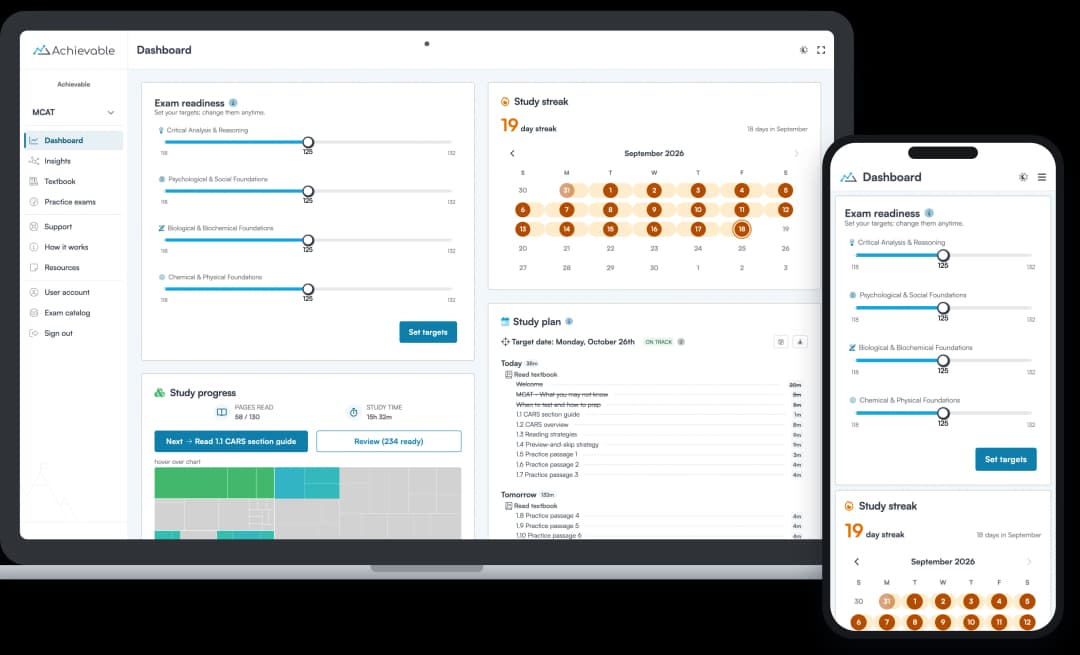
Another main component of meeting pre-med requirements is comprehensive test preparation, particularly for the Medical College Admission Test (MCAT). MCAT scores are a central part of medical school prerequisites and are mandatory for admission to nearly all medical schools in the U.S. and many in Canada. This exam is designed to evaluate whether pre-med students have mastered the essential knowledge and skills outlined in med school requirements, ensuring they are well-prepared for both their medical education and future roles as physicians.
MCAT preparation involves thorough study and understanding of the four main scoring sections:
- Biological and Biochemical Foundations of Living Systems
- Chemical and Physical Foundations of Biological Systems
- Psychological, Social, and Biological Foundations of Behavior
- Critical Analysis and Reasoning Skills
These subject areas reflect core medical and analytical concepts covered through your undergraduate coursework and premedical program. A strong focus on these topics during your studies will help you fulfill pre-med requirements, excel in MCAT preparation, and build a solid foundation for your future in medicine.
Pre-med programs, especially those at top universities, are known for their excellent advising and student life programs. Connecting with a pre-med advisor early in your undergraduate career allows students to stay on track with requirements and access invaluable support every step of the way. Several colleges offer pre-med clubs, organizations, and programs that help connect students with academic resources, extracurricular activities, and networking opportunities. Making the most of these resources enables students to develop a strong network of peers, professors, and academic leaders who can guide them throughout the medical school application process.

Conclusion
In a nutshell, pre-med is a track, not a major, designed to prepare students for a successful career in medicine, and MCAT preparation is a key component of this process. Completing the rigorous steps involved not only strengthens academic readiness but also provides the foundation needed for medical school admission. While the pre-med track can be intimidating, the long-term rewards, both professional and personal, are significant.