How to become an MCAT tutor


Table of contents
- What does an MCAT tutor do?
- Where can you find MCAT tutoring jobs?
- 1. Test prep companies
- 2. Tutoring marketplaces
- 3. Freelance/independent tutoring
- 4. University tutoring centers
- How much does an MCAT tutor make?
- Is MCAT tutoring flexible?
- Helpful teaching tools and aids
- 1. Study platforms
- 2. Whiteboard tools
- 3. Visual aids and diagrams
- 4. Timed drill sessions
- 5. Confidence coaching
- Is becoming an MCAT tutor right for you?
- Final thoughts
If you’ve conquered the Medical College Admission Test (MCAT) and can still recall every amino acid from phenylalanine to tyrosine, now may be the ideal time to explore becoming an MCAT tutor. Whether you’re in a gap year, working part-time during med school, or drawn to education, becoming an MCAT tutor is a flexible and rewarding way to apply your exam expertise.
For motivated medical scholars who want to inspire future med students, becoming an MCAT tutor allows you to leverage your test prep experience and help others improve their scores. By providing expert guidance in MCAT preparation, you could greatly improve a student’s chance of being accepted into a top medical program. Let’s take a closer look at what MCAT tutor jobs offer in terms of the working environment, typical pay rates, where you can find these opportunities, and expert strategies to help you stand out as an outstanding tutor.

What does an MCAT tutor do?
At its core, MCAT tutoring involves helping students prepare for one of the most challenging standardized exams available. You’ll guide pre-med students through content review, practice questions, testing strategy, and, just as importantly, mindset and time management.
You might be working with students one-on-one or in small groups, covering topics like:
- Critical Analysis and Reasoning Skills (CARS) passage dissection
- Biochem pathways and memorization tips
- Experimental design questions
- Time-saving strategies for dense passages
- Association of American Medical Colleges (AAMC)-style practice review
The mix depends on each student’s weak spots and how close they are to test day.
Where can you find MCAT tutoring jobs?
There’s no shortage of places to land a tutoring gig, whether you want to join a company, freelance, or launch your tutoring brand.
1. Test prep companies
Have your services offered or featured alongside a preparation company’s other resources and materials. You can find a platform that works best for you and your schedule.
2. Tutoring marketplaces
Join online tutoring marketplaces that allow you to set your own schedule, choose your hourly rate, and connect with students seeking MCAT support across a variety of topics.
3. Freelance/independent tutoring
Use platforms like Reddit (r/MCAT), Facebook pre-med groups, or even Instagram/TikTok to promote yourself. Many successful tutors build a following through YouTube or study-tip content.
4. University tutoring centers
If you’re still in college or med school, check if your university offers tutoring services or MCAT prep workshops.
How much does an MCAT tutor make?
For context, the Bureau of Labor Statistics (BLS) puts the median pay for tutors in all subjects at about $21 an hour, with the top 10% earning more than $36 an hour (May 2025). Rates for MCAT tutors vary widely by experience and platform. These ranges are rough estimates, not figures from a published survey:
- Entry-level (at a company): $20-$40/hour
- Independent/freelance: $50-$120/hour
- Highly experienced (specialized freelance): $150+/hour
Tutors with previous scores in the 95th percentile or more (518 or higher), or those with teaching experience, often command higher rates. Your rate can also rise as you build a student base and a track record.

Is MCAT tutoring flexible?
Absolutely. Much MCAT tutoring is conducted remotely and scheduled around the student’s availability, making it ideal for med school students, gap year applicants, or part-time students. You can control the number of students you take on and work evenings or weekends as needed.
Helpful teaching tools and aids
Want to go from a “good” tutor to an “awesome” tutor? Here are some go-to tools and strategies:
1. Study platforms
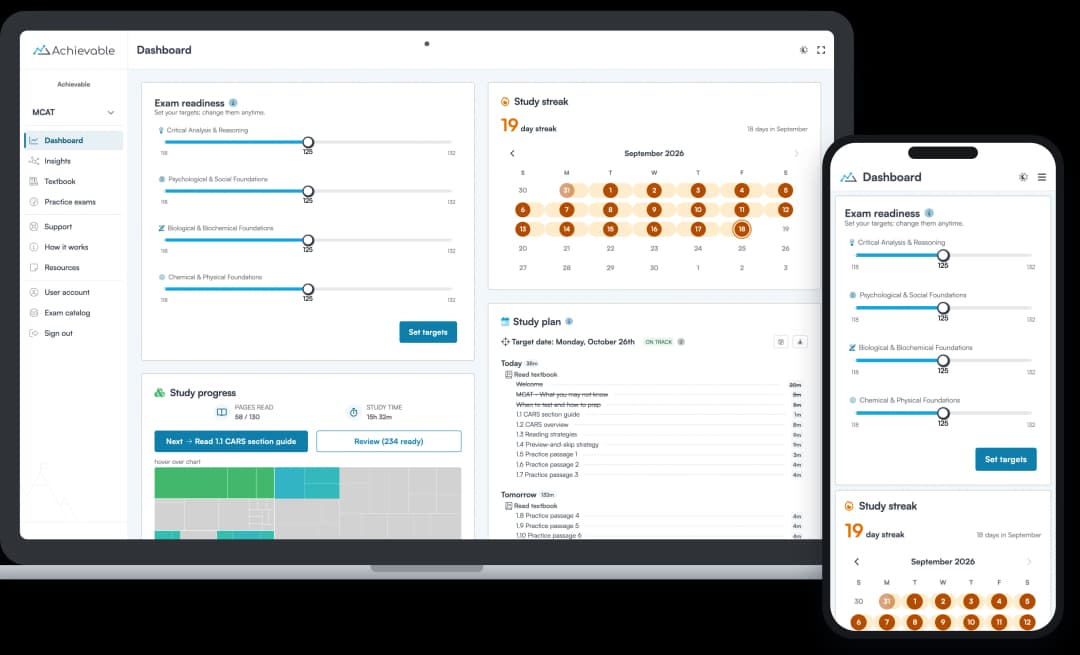
Several test prep companies offer flashcards, practice exams, and question banks to help students succeed on the MCAT. As previously mentioned, there are plenty to choose from, and it all depends on what works best for your students and their study process.
2. Whiteboard tools
Utilize digital whiteboard tools, such as Zoom’s whiteboard or Miro, to diagram pathways and visualize concepts. Collaborate with students through shared platforms like Notion or Google Docs for real-time note-taking and organization.
3. Visual aids and diagrams
Use color-coded visuals, metabolic maps, or timeline charts to explain big-picture concepts in biology and biochemistry.
4. Timed drill sessions
Incorporate Pomodoro-style practice or “live drills” to mimic testing pressure.
5. Confidence coaching
Don’t underestimate the value of emotional support. Helping students manage burnout and imposter syndrome is just as valuable as content review.
Is becoming an MCAT tutor right for you?
If you excelled at MCAT preparation and:
- Achieved a high MCAT score (ideally 515 or higher, about the 90th percentile)
- Enjoy communicating complex ideas in creative, understandable ways
- Are patient, organized, and adept at explaining challenging material
- Want a flexible and rewarding side hustle
…then MCAT tutoring could be the perfect path for you.
Pursuing MCAT tutor jobs offers unique fulfillment, whether you do it on a short-term basis or develop it into a fulfilling long-term career. Helping future physicians succeed in their medical school journey is impactful work.
High-quality MCAT tutoring goes well beyond reviewing flashcards. It’s about providing expert guidance through every phase of MCAT preparation, acting as a mentor and motivator while helping students endure one of their most rigorous academic challenges. As an MCAT tutor, your support directly shapes students’ confidence and capabilities, while also providing you with opportunities for personal growth.

Final thoughts
If you’re motivated to leverage your MCAT mastery and coaching skills into meaningful impact (and extra income), now’s the time to start looking into MCAT tutoring. There’s a growing community of pre-med students eager for your mentorship, and your expertise positions you as an invaluable resource. Thanks to the internet, there are virtually no limits to the students you can reach and help guide through this consequential exam. It may take a little time to get on the map, but with hard work, you can build a dedicated customer base who can vouch for your skills. More importantly, you have a chance to make a major difference in the lives of pre-med students who were once in the exact same place as you.