Teacher certification requirements inFlorida
How to become a teacher in Florida
Curious about how to become a teacher in Florida? Unsure how to get your teaching license? We’ve compiled a comprehensive guide to getting your Florida teaching certificate. Below you’ll find Florida’s education requirements, its state-specific teacher certification programs, exam requirements such as the Praxis test, and resources to help you find your next teaching job fast. Also included are average salaries for Florida teachers by grade level, to help guide the next step in your professional journey.
Always check Florida’s official teacher certification website for the most up-to-date information. The roadmap below will help you prepare for every step you need to get your education certification and become a teacher in Florida.
Florida education requirements
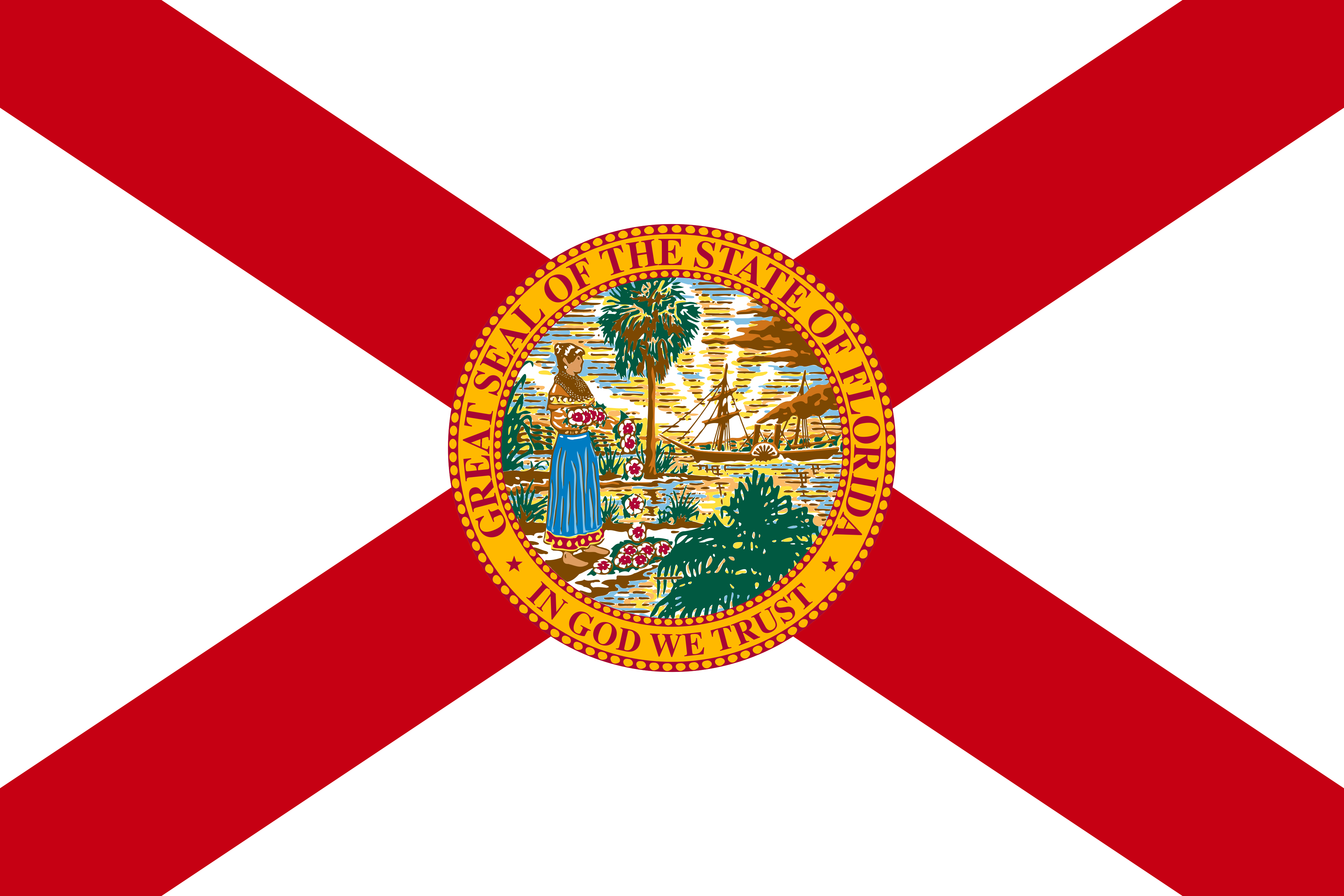
Florida requires a bachelor’s degree and subject-specific coursework that varies by certification area. Elementary teachers need a major in elementary education or 30 semester hours of related coursework. Secondary teachers must have a major or 30 semester hours in their subject. A passing score on the Florida Subject Area Exam or a valid ABCTE certificate may qualify candidates for a temporary certificate. Most routes to a Professional Certificate require additional teacher preparation coursework.
Florida teacher certification programs
Florida offers a range of accredited teacher certification programs designed to align with the state’s subject-specific prerequisites and certification pathways. A full list of approved programs is available on the Florida Department of Education website.
Required tests for Florida teachers
- Florida General Knowledge Test (GK)
- Florida Subject Area Examinations (SAE)
- FTCE Professional Education Test (for Professional Certificate)
Florida certification requires passing FTCE exams.
Florida teacher certification types
To become certified as a teacher in Florida, you must complete the required college credit hours, a teacher preparation course, and pass standardized tests. Interstate reciprocity may apply for out-of-state credentials.
- Temporary Certificate: For beginning teachers
- Professional Certificate: For teachers meeting additional competency requirements
Alternative certification in Florida
- Florida Education Preparation Institutes (EPIs): Alternative certification available to those with a bachelor’s degree; involves four levels of assessment and a support team including a building administrator and an outside educator
- Temporary teaching certificate and school district employment required to participate
- American Board for Certification of Teacher Excellence: Offers an online program leading to a temporary certificate
Florida teacher salaries
Average annual salaries for Florida teachers in 2024, by grade level:
- Elementary school teacher$58,870
- Middle school teacher$58,220
- High school teacher$61,880
Find teaching jobs in Florida
The Teach In Florida website compiles teaching job postings from across the state.
Florida professional development for teachers
Florida principals follow statewide rules in the Professional Outline Evaluation Protocol, linking teacher quality to student achievement. Professional development resources are also available on Teach In Florida.
Florida teacher certification contacts
- 325 West Gaines Street, Tallahassee, FL 32399-0400
- (850) 245-0505
- Commissioner@fldoe.org
Compiled from Florida sources as of . Certification rules change regularly — confirm the current requirements on Florida’s official teacher certification site before you apply.
Frequently asked questions
To become a teacher in the U.S., here are the basic steps:
Complete educational prerequisites
The essential first step to becoming a teacher is completing all educational prerequisites. All prospective educators must earn a bachelor’s degree to be eligible for teacher certification. Although you can choose any major, a degree specifically related to your intended teaching area best prepares you for both certification exams and practical classroom experiences.
If your undergraduate studies were in a field outside of education, alternative pathways allow you to gain relevant teaching skills and meet certification standards. In some states, the requirements to become a teacher may also include holding a master’s degree in education.
Complete a teacher preparation program
Another important step in becoming a teacher is fulfilling a recognized teacher preparation program. Educator preparation programs (EPP) equip aspiring teachers with intensive coursework, subject-matter training, and pedagogical knowledge. These programs also include supervised teaching practice in K-12 classrooms, a key experience needed before pursuing certification.
Pass required teacher certification exams
All candidates must successfully pass certification exams to meet state requirements for becoming teachers. The standard assessment in many states is the Praxis Core, which evaluates foundational knowledge in reading, writing, and mathematics. Depending on the teaching specialization and state policies, additional subject-specific and state-developed tests may also be included as part of the requirements to become a licensed teacher.
Apply for a teaching license
After meeting educational, training, and exam requirements, the final stage is applying for your state teaching license. License applications are managed by your state’s department of education and require submitting various documents: university transcripts, teacher exam results, and background check clearance.
Complete state-specific certification requirements
Depending on where you want to teach, you may need to fulfill unique state certification steps as part of what you need to become a teacher. Notable examples include:
- California: requires passing the CBEST and CSET exams
- Texas: requires completion of TExES assessments
- Florida: requires the FTCE exam
- Massachusetts: requires passing MTEL
- Various states: the edTPA, a performance-based portfolio assessment, is required in Illinois, Ohio, North Carolina, and other states. Discover whether your state requires edTPA scores.
Maintain and renew your teaching license
Ongoing professional development is part of what you need to become and remain a certified teacher. In most states, you’ll be required to renew your teaching license every three to five years. Common license renewal criteria include earning continuing education credits or completing advanced study or professional development courses.
Every state in the U.S. sets clear requirements for what you need to become a teacher, starting with earning at least a bachelor’s degree. Most aspiring educators choose to major in education, early childhood education, or a specialized content area such as English, mathematics, or science. For those who already possess a bachelor’s degree in another field, post-baccalaureate options provide an alternative pathway to meet teacher certification requirements.
A bachelor’s degree serves as the essential foundation for all future teacher preparation programs. Without this credential, you cannot enroll in a state-approved licensure program.
Completing a state-approved teacher preparation program is necessary to qualify for teaching certification at the state level. These programs blend coursework in pedagogy, child development, classroom management, and instruction specific to your chosen subject area. Integral to every teaching certification pathway is student teaching, which involves a supervised internship within a real K-12 classroom, providing practical experience vital for online teaching certification or traditional routes.
Across the country, many universities offer campus-based teacher preparation programs and traditional teaching certification tracks. At the same time, online teaching certification programs have gained traction, making it possible for aspiring educators to obtain teaching certification through flexible, accessible options. These online formats are especially valuable for career changers or those requiring greater convenience, all while aligning with the foundational steps of what you need to become a teacher.
Online teaching certification is a recognized and effective pathway to obtain state licensure. Accredited online teaching certification programs provide flexibility, are generally more affordable, and consistently fulfill state standards, making them a practical choice for aspiring teachers.
- Western Governors University (WGU) Online Teaching Certification: WGU offers accredited online teaching certification programs with flexible, competency-based coursework. Candidates can choose licensure tracks in early childhood, elementary, or secondary education.
- Teach-Now / Moreland University Teacher Certification Program: Moreland University’s Teach-Now is a streamlined, 9-month online teaching certification program ideal for working adults and international educators. The curriculum meets state teaching requirements and supports candidates seeking reciprocity for out-of-state licensure.
- Teachers of Tomorrow Alternative Certification: Teachers of Tomorrow provides online certification pathways in select states, developed in partnership with school districts. The platform emphasizes career placement support and flexible routes toward teaching licensure.
- University of Southern California (USC) Master of Arts in Teaching Online: USC’s prestigious MAT program delivers an interactive online experience. It prepares teachers for California licensure and supports candidates seeking national or state-specific teaching certification reciprocity through a rigorous graduate education.
Always confirm that your chosen online teaching certification program is approved by your state’s education board and qualifies you for licensure in the state where you intend to teach.
The Praxis test is a series of standardized exams administered primarily in the U.S. to evaluate the academic knowledge and subject-specific skills of aspiring certified teachers. Each Praxis exam serves as a gateway for individuals preparing to enter the teaching profession, offering assessments that align with state and content-area requirements. The Praxis Core exam, an essential component for many teacher licensure pathways, includes three separate tests: Praxis Reading, Praxis Math, and Praxis Writing.
Along with the Praxis Core, there are comprehensive Praxis Subject Assessments that measure expertise in areas such as mathematics, social studies, history, science, and various other topics across different grade levels. These Praxis Subject Assessments are designed to establish eligibility for educators intending to specialize in specific subjects or grade bands.
Praxis exams operate on a pass/fail basis, with passing Praxis scores set individually by each state’s education board. Requirements may vary significantly, so it’s crucial to review your state’s standards before scheduling a Praxis test.
Once you have successfully completed your teacher preparation program and earned passing scores on your required exams, such as the Praxis exam, the next step is to apply for your teaching license through your state’s department of education. Obtaining a teaching license typically involves submitting:
- Official academic transcripts
- Verification of completion of an approved teacher preparation program
- Passing scores from teacher certification exams, including the Praxis exam
- A completed background check with fingerprint clearance
The specific designation of your teaching license, such as “Initial,” “Provisional,” or “Standard,” is determined by state-specific regulations. The licensure processing period can take anywhere from several weeks to a few months, depending on your state. Many states offer teaching certification reciprocity, which allows educators to transfer their teaching credentials to another state, streamlining the process if you plan to teach elsewhere.
The full process of earning your teaching license typically takes 1 to 2 years for those who already hold a bachelor’s degree. For undergraduate students, obtaining a teaching license generally requires 4 to 5 years, as you must complete both your degree and state-specific licensure requirements. Certain states, such as New York, mandate several years of mentored and independent classroom experience before you become eligible to receive your teaching license.
In most states, educators must complete teaching license renewal every 3 to 5 years to maintain active certification. Common teaching license renewal requirements include:
- Earning continuing education credits or professional development (PD) hours related to your license
- Providing proof of recent classroom teaching experience as part of the renewal process
- Completing advanced coursework or obtaining a master’s degree, which some states require for continued teaching license validity
CPE stands for Continuing Professional Education. In the U.S., teachers and educational professionals must accumulate a certain number of hours of CPE training for their teaching license to be eligible for renewal.
Many educators choose to pursue advanced credentials like National Board Certification to further enhance their teaching license qualifications. This prestigious, voluntary certification supports teaching certification reciprocity, helping educators transfer their teaching license more easily between states and broaden job opportunities nationwide.
Achieving National Board Certification not only demonstrates advanced teaching proficiency but can also lead to increased salary potential and improved recognition for teachers committed to ongoing professional development.
Closing thoughts
Becoming a certified teacher and earning your teaching license requires successfully completing several important steps. Although the pathway to becoming a teacher is similar nationwide, each state sets its own certification standards, which can change the Praxis test requirements and other licensing components you face in Florida.
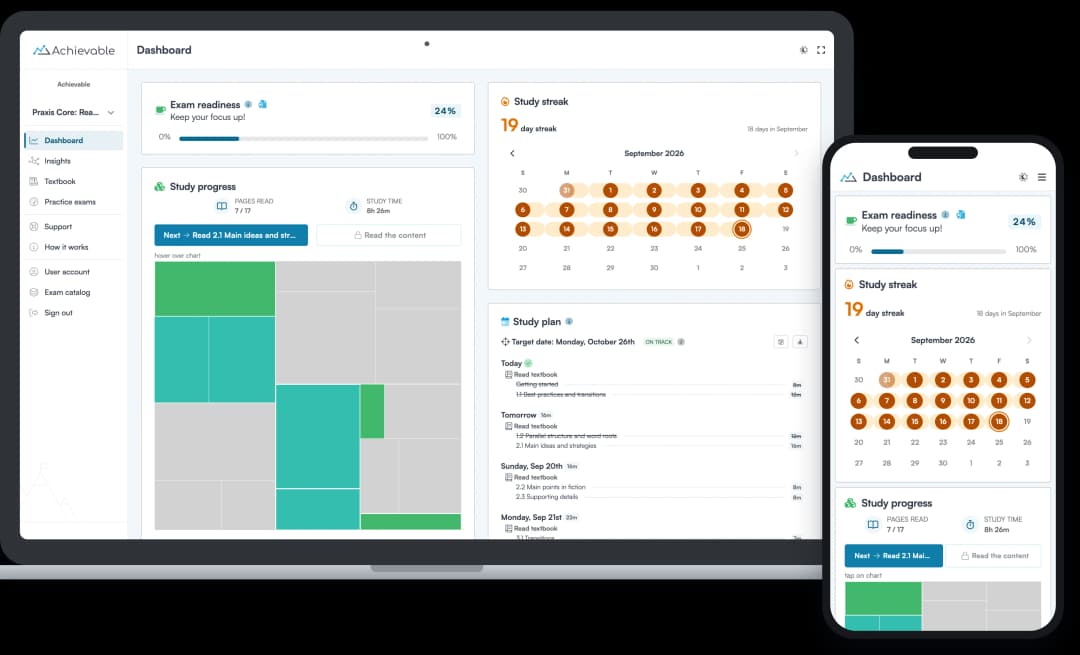
After completing basic education and training requirements, use our guide to map out your study plan for the Praxis and other certification exams. Take note of the number of teaching hours you need to get your license and prepare for any other prerequisites. By following each step methodically, you’ll move closer to earning your teaching license and landing your dream teaching job.
Teacher certification requirements in other states