


Achievable logo

CCMA practice test

Take Achievable's free full-length CCMA practice test with 150 questions and detailed explanations.
Take free CCMA practice test
Achievable white logo on blue background
Achievable blue logo on white background

Free CCMA practice test

Before you begin
150 questions•3 hr time limit•100% free

This free full-length CCMA practice test simulates the actual test experience to help you prepare for exam day. Questions are designed to match the real CCMA test format, difficulty, and time constraints. Once you select an answer, it's locked in. Your progress is saved automatically, so you can return anytime. Good luck!

Solve each of the CCMA practice test questions below to get a feel for what to expect on the actual CCMA exam. Achievable's free CCMA practice questions are scored instantly, providing the correct answer along with an easy to understand explanation. Get started on the path to passing the CCMA exam by solving 150 CCMA exam sample questions.
Question 1

What is the most appropriate response if a patient becomes emotional during a visit?

A.
Tell the patient to stop being so emotional
B.
Acknowledge their feelings and offer support
C.
Leave the room until the patient calms down
D.
Change the subject to something less upsetting
Question 2

What should a medical assistant do if a patient refuses to have their weight measured?

A.
Insist that the patient step onto the scale
B.
Respect their choice and document the refusal
C.
Skip the remaining vital sign measurements
D.
Estimate the weight and document it as measured
Question 3

Which of the following is considered active listening?

A.
Interrupting the speaker to ask questions
B.
Waiting quietly and avoiding eye contact
C.
Nodding, maintaining eye contact, and summarizing the message
D.
Writing while the patient is talking
Question 4

When rooming a patient, the first step a CCMA should take is to:

A.
Collect blood
B.
Take vital signs
C.
Begin the physical exam
D.
Identify the patient
Question 5

Which filing method uses the patient's last name, first name, and middle initial?

A.
Subject filing
B.
Alphabetic filing
C.
Numeric filing
D.
Chronological filing
Question 6

When should height and weight be measured?

A.
Only at the patient's very first office visit
B.
Only when the provider specifically requests it
C.
At the initial visit and periodically thereafter
D.
At every office visit for every patient
Question 7

What is the purpose of a safety data sheet (SDS)?

A.
Inform staff about hazardous chemicals
B.
Provide instructions for patient care
C.
Provide documentation for billing
D.
Record office hours
Question 8

What is the normal respiratory rate range for an adult?

A.
10-16 breaths per minute
B.
12-20 breaths per minute
C.
8-14 breaths per minute
D.
16-24 breaths per minute
Question 9

Which of the following is an example of battery in a healthcare setting?

A.
Not answering a patient's questions
B.
Providing care without consent
C.
Delaying a patient's test results
D.
Refusing to treat a patient
Question 10

What is the primary site for a routine venipuncture?

A.
Brachial artery
B.
Radial vein
C.
Femoral vein
D.
Median cubital vein
Question 11

Which type of scheduling involves booking two patients at the same time?

A.
Open hours
B.
Wave scheduling
C.
Clustering
D.
Double booking
Question 12

How often should OSHA training on bloodborne pathogens be provided to medical assistants?

A.
Monthly
B.
Biannually
C.
Every 2 years
D.
Annually
Question 13

Which of the following is the most appropriate way to identify a patient before care?

A.
Ask for two identifiers
B.
Ask their last name
C.
Check the name on their chart
D.
Ask for their insurance provider
Question 14

Which of the following structures is part of the central nervous system (CNS)?

A.
Peripheral nerves
B.
Ganglia
C.
Autonomic fibers
D.
Spinal Cord
Question 15

What is considered a fever in Fahrenheit?

A.
100.4°F
B.
96.5°F
C.
97.6°F
D.
98.6°F
Question 16

Which blood pressure reading falls within the normal range for an adult?

A.
110/68 mmHg
B.
80/40 mmHg
C.
160/100 mmHg
D.
140/90 mmHg
Question 17

Which of the following is a CLIA-waived test that a CCMA can legally perform?

A.
Blood culture
B.
Urinalysis dipstick test
C.
Biopsy
D.
Pap smear
Question 18

What type of transmission involves touching a contaminated surface?

A.
Contact
B.
Airborne
C.
Vector
D.
Droplet
Question 19

What is the medical assistant’s role during patient discharge education?

A.
Confirm the provider's orders and explain the care plan
B.
Diagnose the patient's medical condition
C.
Write prescriptions for new medications
D.
Provide financial counseling regarding treatment costs
Question 20

Which section of the health record includes information about the patient's main concern for visiting the doctor's office?

A.
Medical and family history
B.
Vital sign measurements
C.
Progress notes
D.
Chief complaint
Question 21

Which is an example of a fomite?

A.
Thermometer
B.
Mosquito
C.
Contaminated water
D.
Sneeze droplet
Question 22

Which of the following should a CCMA do if a patient refuses treatment?

A.
Ignore the refusal
B.
Document the refusal
C.
Administer treatment anyway
D.
Ask another medical assistant to try
Question 23

What is an example of open-ended questioning?

A.
"How are you feeling today?"
B.
"Do you take your medications?"
C.
"Are you in pain?"
D.
"Did you eat today?"
Question 24

Which color tube is used for most chemistry panels in laboratory testing?

A.
Lavender
B.
Red or Gold SST
C.
Light blue
D.
Green
Question 25

Which of the following tests checks for anemia?

A.
Lipid panel
B.
Glucose
C.
Hemoglobin
D.
Electrolyte panel
Question 26

Which test measures long-term glucose control?

A.
Fasting glucose
B.
Glucose tolerance test
C.
Random glucose
D.
Hemoglobin A1c
Question 27

Which body system regulates hormones?

A.
Nervous
B.
Circulatory
C.
Endocrine
D.
Lymphatic
Question 28

What does it mean to treat patients with dignity?

A.
Telling them what to do
B.
Avoiding discussion about feelings
C.
Showing respect and valuing their input
D.
Minimizing interaction
Question 29

Which of the following is considered a community resource for patient support?

A.
Nonprofit transportation program
B.
Hospital laboratory department
C.
Ambulatory surgery center
D.
Specialty pharmacy service
Question 30

What is the primary purpose of an encounter form, also known as a superbill, in a medical office?

A.
To identify the services and procedures performed during the patient encounter for billing and coding purposes
B.
To provide the patient with a complete printed copy of their entire medical record for personal keeping
C.
To document the patient's complete medical history, physical examination findings, and clinical assessment notes
D.
To obtain and record the patient's informed consent for treatment prior to any medical procedure
Question 31

The sinoatrial (SA) node is located in which part of the heart?

A.
Left ventricle
B.
Left atrium
C.
Right atrium
D.
Right ventricle
Question 32

The first step a CCMA should take when performing CPR is:

A.
Begin chest compressions
B.
Check for responsiveness
C.
Give rescue breaths
D.
Call the patient's provider
Question 33

What is the appropriate action if a rapid strep test is negative but the provider suspects streptococcal pharyngitis?

A.
Repeat the same rapid strep test
B.
Disregard the negative result
C.
Begin antibiotic therapy immediately
D.
Send a throat culture to the lab
Question 34

Why is it important to invert tubes after blood collection?

A.
To mix blood with the additive
B.
To mix air with blood
C.
To prevent cell damage
D.
To activate clotting
Question 35

When using medical terminology with patients, a medical assistant should:

A.
Speak quickly
B.
Use complex words to sound professional
C.
Explain terms in plain language
D.
Avoid giving explanation
Question 36

Which blood vessels carry blood away from the heart?

A.
Veins
B.
Arteries
C.
Capillaries
D.
Venules
Question 37

What is active listening?

A.
Nodding occasionally while planning what to say next
B.
Avoiding eye contact so the patient feels less pressured
C.
Focusing only on the words the patient says while ignoring body language
D.
Listening attentively, making eye contact, and providing feedback
Question 38

What is the correct order to remove (to doff) PPE?

A.
Gown, mask, gloves, goggles
B.
Mask, gloves, gown, goggles
C.
Goggles, gown, gloves, mask
D.
Gloves, goggles, gown, mask
Question 39

What should a medical assistant do when coordinating a referral?

A.
Give the patient a new prescription for their condition
B.
Instruct the patient to call the referring provider
C.
Provide insurance authorization and appointment details
D.
Cancel the patient's scheduled primary care visit
Question 40

Which of the following must be placed in a sharps container?

A.
Used gloves
B.
Broken ampule
C.
Blood-soaked gauze
D.
Empty saline bottle
Question 41

Which cleaning method is appropriate for reusable medical instruments before sterilization?

A.
Sanitation
B.
Disinfection
C.
Sterilization
D.
Rinsing
Question 42

Which of the following PPE is required for airborne precautions?

A.
Gloves
B.
Surgical mask
C.
N95 respirator
D.
Gown
Question 43

Which type of muscle is under voluntary control?

A.
Cardiac
B.
Skeletal
C.
Smooth
D.
Involuntary
Question 44

Which of the following actions ensures chain of custody during specimen collection?

A.
Having the patient sign and seal the container
B.
Labeling samples after leaving the room
C.
Leaving specimens unattended
D.
Disposing of extra samples
Question 45

Which organelle is responsible for energy production in a cell?

A.
Nucleus
B.
Ribosome
C.
Mitochondrion
D.
Golgi apparatus
Question 46

What is orthostatic hypotension?

A.
A sudden rise in blood pressure
B.
Low oxygen levels during sleep
C.
High pulse when sitting
D.
A drop in blood pressure upon standing
Question 47

What action is appropriate before assisting a patient with a wheelchair transfer?

A.
Leave the patient alone
B.
Let the patient reposition themselves
C.
Return to the front desk
D.
Lock the wheelchair brakes
Question 48

Which of the following is an example of a biohazard?

A.
Contaminated gloves
B.
Paper towels
C.
Empty urine cup
D.
Adhesive bandages
Question 49

Which of the following is the first step in medical asepsis?

A.
Sterilization
B.
Hand hygiene
C.
Antiseptic application
D.
Gloving
Question 50

When taking a patient history, which of the following is a subjective symptom?

A.
Blood pressure
B.
Temperature
C.
Pulse rate
D.
Dizziness
Question 51

Which of the following is the correct method for labeling a blood specimen?

A.
Write the patient's nickname and their room number on the label
B.
Label the tube once back at the workstation after leaving the room
C.
Label the tube in front of the patient immediately after collection
D.
Use a blank label and complete it later once the specimen reaches the lab
Question 52

Which type of microorganism can reproduce only inside living host cells?

A.
Bacteria
B.
Fungus
C.
Protozoan
D.
Virus
Question 53

How long should a tourniquet be left in place during venipuncture?

A.
30 seconds
B.
No longer than 1 minute
C.
2 minutes
D.
Until blood flows
Question 54

What is the primary role of the medical assistant during an EKG?

A.
To interpret the EKG tracing for the provider
B.
To diagnose arrhythmias seen on the tracing
C.
To prepare the patient and perform the test
D.
To administer medications based on the findings
Question 55

Which of the following is an example of an electrolyte?

A.
Glucose
B.
Insulin
C.
Urea
D.
Calcium
Question 56

What is the appropriate method for disposing of blood-soaked gauze?

A.
Regular trash bin
B.
Sharps container
C.
Red biohazard bag
D.
Autoclave
Question 57

What type of consent is required before a minor receives medical treatment?

A.
Guardian's written consent
B.
Implied consent by the minor
C.
Verbal consent by the minor
D.
Written consent by the provider
Question 58

Which federal regulation ensures quality in laboratory testing?

A.
HIPAA
B.
OSHA
C.
FDA
D.
CLIA
Question 59

A CCMA must wear gloves when:

A.
Answering the phone
B.
Taking a pulse
C.
Documenting on a chart
D.
Performing venipuncture
Question 60

Which of the following is an appropriate action when performing a capillary puncture on an adult?

A.
Wipe away the first drop of blood
B.
Use the pinky finger
C.
Use the center of the finger
D.
Squeeze the finger hard to increase blood flow
Question 61

What should be done if a patient misses an appointment without canceling?

A.
Send the patient a bill for the missed appointment
B.
Remove the patient from the practice roster
C.
Document the no-show in the medical record
D.
Take no action and leave the record unchanged
Question 62

What blood pressure measurement is generally considered hypotension or low blood pressure?

A.
Systolic pressure: >90 mm Hg, diastolic pressure: >60 mm Hg
B.
Systolic pressure: <120 mm Hg, diastolic pressure: <180 mm Hg
C.
Systolic pressure: <90 mm Hg, diastolic pressure: <60 mm Hg.
D.
Systolic pressure: >120 mm Hg, diastolic pressure: >80 mm Hg
Question 63

What does OSHA require employers to provide at no cost to employees?

A.
Hand sanitizer
B.
Insurance
C.
Lunch breaks
D.
PPE
Question 64

Which of the following is a proper way to maintain security of patient health records?

A.
Store files alphabetically in a public area
B.
Share passwords with other staff
C.
Use password-protected systems
D.
Leave records on the desk overnight
Question 65

The appropriate needle gauge for intramuscular injections is typically:

A.
16-18
B.
25-27
C.
21-23
D.
30-36
Question 66

When transferring a patient from a wheelchair to an exam table, a CCMA should:

A.
Use a gait belt
B.
Lift the patient alone
C.
Push the patient quickly
D.
Ask the patient to do it on their own
Question 67

A medical assistant should wear an N95 respirator when entering the room of a patient with:

A.
MRSA
B.
Hepatitis C
C.
Influenza
D.
Tuberculosis
Question 68

Which of the following best describes homeostasis?

A.
The process of cellular division
B.
The breakdown of food for energy
C.
The body's response to infection
D.
The body’s ability to maintain internal stability
Question 69

Which of the following should be done before opening a sterile pack?

A.
Don sterile gloves before opening the pack
B.
Check expiration date and integrity
C.
Place the pack near a sink for access
D.
Ask the patient to open the sterile pack
Question 70

Which of the following requires immediate attention in a phone message?

A.
Request for a medication refill
B.
Question about a billing statement
C.
Chest pain or difficulty breathing
D.
Inquiry from a prospective new patient
Question 71

What is the first action if a patient reports chest pain during an EKG?

A.
Reassure the patient that chest pain is a normal EKG occurrence
B.
Turn off the machine and immediately restart the EKG procedure
C.
Call emergency medical services without notifying the provider first
D.
Stop the test and notify the provider immediately
Question 72

A legal record that documents clinical findings, the progress of treatment, and a patient's medical and family history is known as a:

A.
Chief complaint
B.
Progress note
C.
Consent form
D.
Health Record
Question 73

What action should a medical assistant take if they notice a patient’s skin is cold and clammy?

A.
Offer the patient a warm blanket
B.
Notify the provider immediately
C.
Continue the examination as usual
D.
Ask the patient to sit and rest
Question 74

What test requires a chain of custody?

A.
Glucose
B.
Drug screen
C.
Liver panel
D.
Pregnancy test
Question 75

What is one benefit of the patient-centered medical home (PCMH) model?

A.
Enhances coordination and access to care
B.
Minimizes the need for insurance
C.
Limits provider communication
D.
Eliminates referrals
Question 76

Which of the following pulse sites is most commonly used for measuring an adult's heart rate during a routine exam?

A.
Carotid
B.
Apical
C.
Radial
D.
Brachial
Question 77

Which wave on the EKG represents atrial depolarization?

A.
P wave
B.
Q wave
C.
T wave
D.
U wave
Question 78

Which is an effective strategy for working with angry patients?

A.
Interrupt to defend the office
B.
Match their tone to show power
C.
Maintain a calm tone and listen
D.
Walk away immediately
Question 79

When performing a fecal occult blood test (FOBT), a medical assistant should instruct the patient to avoid which of the following prior to testing?

A.
Water
B.
Bread
C.
Dairy
D.
Red meat
Question 80

Which of the following is required when labeling a specimen?

A.
Patient's initials, room number, and date of collection
B.
Time of collection only, with no patient identifiers
C.
Technician's name, specimen type, and department code
D.
Patient's full name, DOB, date/time of collection, collector's initials
Question 81

What should a medical assistant do when a patient refuses to sign the Notice of Privacy Practices (NPP)?

A.
Deny care until signed
B.
Document the refusal in the chart
C.
Cancel the appointment
D.
Sign it on the patient's behalf
Question 82

What should a medical assistant do if a hematoma begins to form during a draw?

A.
Continue drawing the blood until the required volume is collected
B.
Stop the venipuncture, apply pressure and elevate the arm
C.
Ignore the swelling and finish documenting the patient's vital signs
D.
Tighten the tourniquet to slow the bleeding at the puncture site
Question 83

When communicating with a pediatric patient, what is most important?

A.
Speaking directly to the parent only
B.
Using medical terms
C.
Ignoring the child
D.
Using simple language and a calm tone
Question 84

When educating a patient about home care after a procedure, the medical assistant should:

A.
Use only medical terminology
B.
Give instructions verbally
C.
Skip instructions if patient is young
D.
Provide written and verbal instructions
Question 85

What is the function of platelets?

A.
Promote blood clotting
B.
Carry oxygen
C.
Fight infection
D.
Produce antibodies
Question 86

When measuring an infant’s head circumference, where should the tape be placed?

A.
Under the chin and over the crown of the head
B.
Around the neck, at the level of the larynx
C.
Over the forehead and around the back of the head
D.
Across the chest, along the nipple line
Question 87

Which of the following is an appropriate response when a patient expresses concern about a treatment plan?

A.
"You have nothing at all to worry about here."
B.
"You will be perfectly fine, so please relax."
C.
"Let's just go ahead and get this over with."
D.
“Can you tell me more about your concerns?”
Question 88

Which of the following tubes should be drawn first in the order of draw?

A.
Green
B.
Red
C.
Lavender
D.
Light blue
Question 89

Which communication technique builds trust with patients?

A.
Avoiding questions during the conversation
B.
Maintaining eye contact and showing empathy
C.
Using technical medical language
D.
Speaking quickly to save time
Question 90

Which of the following is an example of negligence?

A.
A medical assistant leaving a patient unattended on an exam table
B.
A provider declining to treat a new patient after reviewing their history
C.
A patient failing to follow the discharge instructions given by the provider
D.
A provider obtaining informed consent before starting a procedure
Question 91

What action demonstrates cultural competence in patient education?

A.
Avoid discussing the patient’s cultural beliefs during the visit
B.
Require the patient to communicate only in English during care
C.
Provide care that respects the patient’s cultural values
D.
Rely solely on Western medical practices when planning treatment
Question 92

A medical assistant notices a patient has low health literacy. What should the medical assistant do?

A.
Speak louder
B.
Use only written instructions
C.
Refer the patient to the physician
D.
Use simple language and visual aids
Question 93

If a hematoma begins to form during venipuncture, what should the medical assistant do?

A.
Ignore and continue collecting
B.
Change to a smaller needle
C.
Stop the draw and apply pressure
D.
Push the needle deeper
Question 94

Which temperature site provides the most accurate core body temperature?

A.
Axillary
B.
Rectal
C.
Oral
D.
Tympanic
Question 95

Which hormone lowers blood glucose levels?

A.
Insulin
B.
Glucagon
C.
Cortisol
D.
Epinephrine
Question 96

Which of the following is the correct placement for the V4 electrode in a 12-lead EKG?

A.
Midclavicular line, 5th intercostal space
B.
Anterior axillary line, 5th rib
C.
Midaxillary line, 6th intercostal space
D.
Sternal border, 3rd intercostal space
Question 97

What does the term “res ipsa loquitur” mean in medical law?

A.
The patient must be informed
B.
The thing speaks for itself
C.
Let the master answer
D.
Without consent
Question 98

Which of the following is most important when scheduling a follow-up appointment?

A.
Confirm the patient understands the date and time
B.
Pick any open slot on the provider's calendar
C.
Ensure the visit is covered by the patient's insurance plan
D.
Schedule the follow-up as far out as the calendar allows
Question 99

What is the correct method for performing ear irrigation on a patient?

A.
Pull the ear upward and back to straighten the ear canal
B.
Use a high-pressure stream to ensure thorough cleaning
C.
Direct the irrigation solution towards the eardrum
D.
Use cold water to minimize discomfort
Question 100

Which health care professional helps patients with diet-related needs?

A.
Physician
B.
Registered dietitian
C.
Radiologist
D.
Physical Therapist
Question 101

What is the main function of the respiratory system?

A.
Regulating blood sugar levels in the body
B.
Gas exchange (oxygen in, carbon dioxide out)
C.
Producing hormones that regulate metabolism
D.
Transporting lymph fluid throughout the body
Question 102

Which of the following is required when scheduling an outpatient diagnostic test for a patient?

A.
Family history
B.
Billing code
C.
Nurse signature
D.
Provider order
Question 103

Which of the following should be used to measure an infant's length?

A.
Infantometer
B.
Scale
C.
Tape measure
D.
Stadiometer
Question 104

Which structure prevents food from entering the trachea during swallowing?

A.
Larynx
B.
Uvula
C.
Epiglottis
D.
Diaphragm
Question 105

When should hand hygiene be performed in a clinical setting?

A.
Before and after every patient interaction
B.
Only after contact with bodily fluids
C.
Only when visibly soiled
D.
Only before wearing gloves
Question 106

What information is needed for a proper intake form?

A.
Chief complaint, history of present illness, medications, and allergies
B.
Patient's employment history, hobbies, and preferred appointment times
C.
Provider's credentials, office hours, and continuing education records
D.
Billing codes, insurance claim numbers, and prior payment history
Question 107

What is the correct action if a patient arrives 20 minutes late for their appointment?

A.
Refuse to see the patient that day
B.
Immediately reschedule the appointment
C.
Charge the patient double for the visit
D.
Check with the provider for next steps
Question 108

What is the appropriate step if a medical assistant finds outdated supplies in a treatment room?

A.
Dispose of them per office policy
B.
Use them anyway
C.
Report them to OSHA
D.
Label them as "use with caution"
Question 109

What is the term for destruction of red blood cells?

A.
Hemolysis
B.
Hemoconcentration
C.
Hemostasis
D.
Hematoma
Question 110

What is the first step in cleaning up a biohazard spill?

A.
Use a mop
B.
Call housekeeping
C.
Apply gloves and PPE
D.
Spray bleach immediately
Question 111

What is the purpose of the Needle Stick Safety and Prevention Act?

A.
Encourage needle reuse
B.
To reduce needlestick injuries
C.
Improve coding systems
D.
Train front desk staff
Question 112

Which document outlines a patient's medical wishes in advance?

A.
Advance directive
B.
Patient education form
C.
Insurance policy
D.
HIPAA form
Question 113

If the medical assistant notices a flat line on all EKG leads, what is the first action?

A.
Call the provider
B.
Repeat the test
C.
Check the lead connections
D.
Adjust paper speed
Question 114

A patient's laboratory results are ready, and the medical assistant's call to the patient is answered by voicemail. Which action is appropriate?

A.
State the specific laboratory result values so the patient is informed without delay
B.
Explain what the laboratory results indicate about the patient's condition
C.
Leave the laboratory result values only if the patient lives alone
D.
Leave a brief message stating the office name and asking the patient to return the call
Question 115

What is the appropriate way to greet a patient arriving for an appointment?

A.
“Take a seat and someone will call you eventually.”
B.
“Hi, please sign in and have a seat. We’ll be with you shortly.”
C.
“Why are you so late for your appointment today?”
D.
“Next! Come on, we don’t have all day.”
Question 116

Which body system includes the spleen and lymph nodes?

A.
Circulatory
B.
Lymphatic
C.
Digestive
D.
Endocrine
Question 117

Which of the following is the most effective method to prevent the spread of infection in the healthcare setting?

A.
Wearing a face shield
B.
Using antiseptic wipes
C.
Wearing a gown
D.
Hand hygiene
Question 118

Which strategy helps a CCMA build rapport with a patient?

A.
Discussing the medical assistant's personal issues
B.
Using the patient’s name and maintaining eye contact
C.
Remaining seated behind the desk at all times
D.
Asking only closed-ended questions during the interview
Question 119

Which plane divides the body into left and right halves?

A.
Sagittal
B.
Transverse
C.
Coronal
D.
Oblique
Question 120

For a patient in shock, the CCMA should:

A.
Maintain an open airway and call for help
B.
Place the patient in an upright sitting position
C.
Give the patient fluids by mouth
D.
Apply ice packs to cool the patient
Question 121

Which law gives patients rights over their health information?

A.
OSHA
B.
CLSI
C.
HIPAA
D.
FDA
Question 122

How long should a CCMA scrub their hands with soap and water during routine handwashing?

A.
5 seconds
B.
20 seconds
C.
10 seconds
D.
12 seconds
Question 123

Which party is considered the guarantor?

A.
The insurance company covering the visit
B.
The person responsible for paying the bill
C.
The provider who treated the patient
D.
The patient, regardless of who pays
Question 124

Which body system is responsible for transporting oxygen and nutrients throughout the body?

A.
Respiratory System
B.
Digestive System
C.
Nervous System
D.
Circulatory System
Question 125

What is the structural and functional unit of the kidney?

A.
Glomerulus
B.
Ureter
C.
Renal pelvis
D.
Nephron
Question 126

Which color tube is used for glucose testing?

A.
Red
B.
Gray
C.
Green
D.
Lavender
Question 127

What should a CCMA do immediately after a needlestick injury?

A.
Wash the site with soap and water
B.
Ignore if there is no blood
C.
Continue with the next patient
D.
Squeeze the puncture until it bleeds
Question 128

What is the purpose of inverting tubes after blood collection?

A.
To force trapped air bubbles out of the collected specimen
B.
To mix the additive properly with the blood specimen
C.
To increase the total blood volume within the tube
D.
To keep the tubes clean and free of outside debris
Question 129

Which laboratory department analyzes blood cell counts?

A.
Chemistry
B.
Hematology
C.
Microbiology
D.
Serology
Question 130

Which layer of the skin forms the body's outermost protective covering?

A.
Epidermis
B.
Dermis
C.
Subcutaneous layer
D.
Fascia
Question 131

Which organ produces bile, the substance that emulsifies fats during digestion?

A.
Liver
B.
Pancreas
C.
Stomach
D.
Gallbladder
Question 132

What is the ethical duty of a medical assistant when they make an error in patient care?

A.
Ignore the error and continue the visit
B.
Blame the error on another staff member
C.
Correct it without documenting the error
D.
Report it to the supervisor immediately
Question 133

What must the medical assistant confirm before administering any medication?

A.
The patient's insurance coverage and copayment
B.
Right patient, medication, dose, route, time
C.
The cost of the prescription at the pharmacy
D.
The provider's preference for a brand name
Question 134

Which is a barrier to effective communication in the medical office?

A.
Cultural sensitivity
B.
Active listening
C.
Eye contact
D.
Noise and distractions
Question 135

Which blood component is responsible for clotting?

A.
Red blood cells
B.
Plasma
C.
Platelets
D.
White blood cells
Question 136

Which of the following is the correct position for a breast exam?

A.
Prone
B.
Lithotomy
C.
Transverse
D.
The supine position
Question 137

What is the primary purpose of a general physical exam?

A.
To evaluate the patient's overall health
B.
To conduct laboratory tests during the visit
C.
To determine the cost of prescribed medications
D.
To review the patient's insurance coverage
Question 138

When should a medical assistant provide patient education?

A.
Only during emergencies
B.
When the provider requests it
C.
After insurance authorization
D.
During all phases of patient care
Question 139

A patient has limited health literacy. What is the most appropriate way to support them?

A.
Repeat everything twice
B.
Use only written instructions
C.
Ask them to read medical books
D.
Use pictures and plain language
Question 140

What is the basic unit of life?

A.
Tissue
B.
Organ
C.
Molecule
D.
Cell
Question 141

Which of the following protects patient privacy and ensures confidentiality of health information?

A.
CLIA
B.
HIPAA
C.
OSHA
D.
FDA
Question 142

What is the best way to ensure follow-up after hospital discharge?

A.
Wait for the patient to call after leaving
B.
Schedule a follow-up appointment before discharge
C.
Mail the patient a reminder letter
D.
Refer the patient to a different facility
Question 143

What does OSHA require to be included in a sharps injury log?

A.
Employee's home address
B.
Name of the patient
C.
Type and brand of the device
D.
Lot number of the gloves used
Question 144

Which type of blood cell is primarily responsible for transporting oxygen?

A.
Platelet
B.
Red blood cell
C.
White blood cell
D.
Plasma cell
Question 145

What is the ethical principle of “beneficence”?

A.
Doing no harm
B.
Respecting patient wishes
C.
Avoiding patient contact
D.
Doing good for the patient
Question 146

Which chamber of the heart receives oxygen-poor blood from the body?

A.
Left atrium
B.
Left ventricle
C.
Right atrium
D.
Right ventricle
Question 147

A 24-hour Holter monitor is used to:

A.
Record cardiac activity during daily activities
B.
Diagnose anemia and other blood disorders
C.
Administer continuous cardiac medication
D.
Evaluate blood oxygen saturation levels
Question 148

What instrument is used to measure blood pressure?

A.
Sphygmomanometer
B.
Thermometer
C.
Pulse oximeter
D.
Otoscope
Question 149

What is the first step in wound care?

A.
Apply dressing
B.
Cleanse the wound
C.
Irrigate wound with saline
D.
Don gloves
Question 150

When performing eye irrigation, what direction should the fluid flow?
A.
From the inner to outer canthus
B.
Towards the inner canthus
C.
Straight into the pupil
D.
From outer to inner canthus
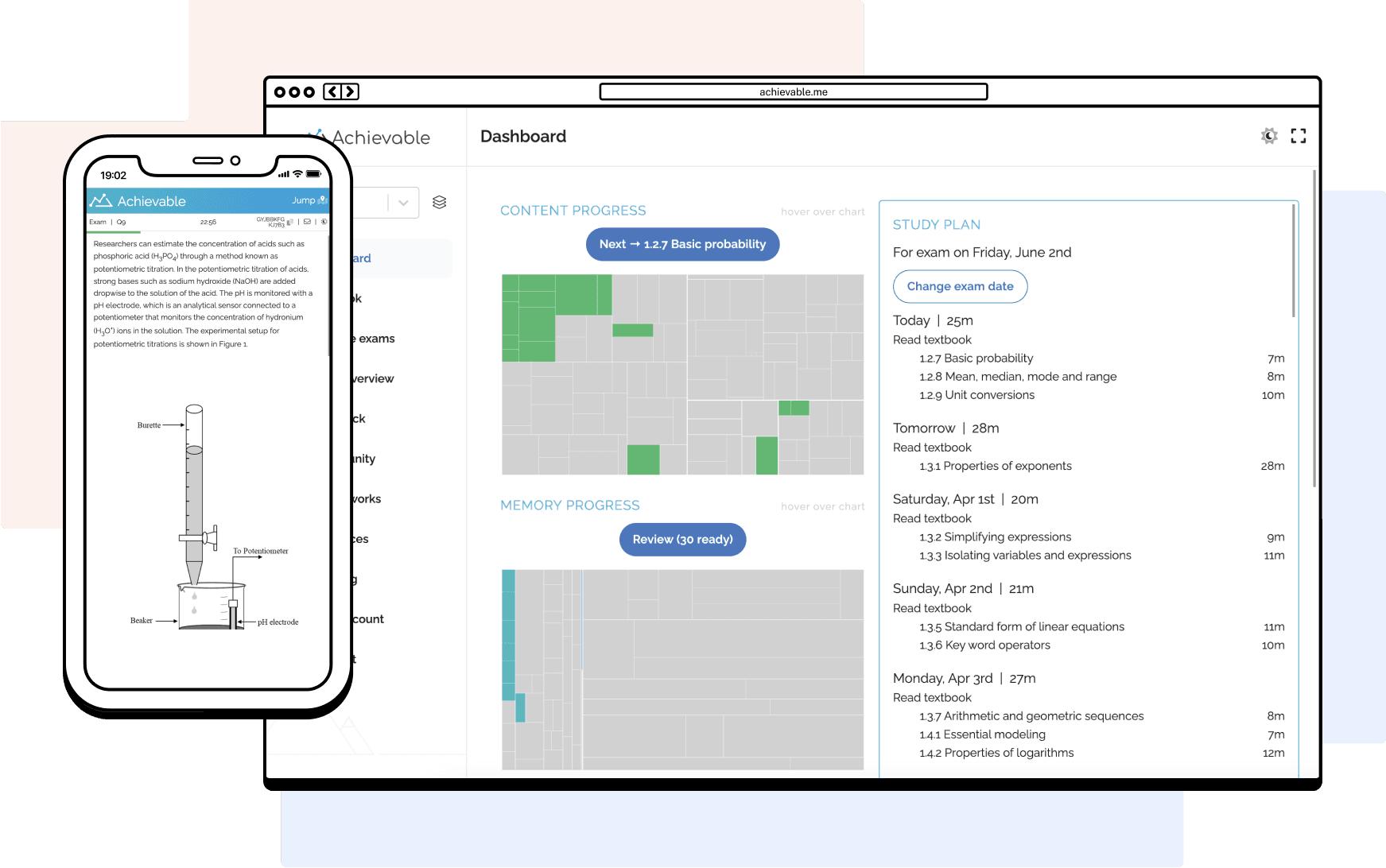
Achievable CCMA dashboard
Pass the CCMA. Guaranteed.
Achievable is the best CCMA exam prep course: effective, personalized, and convenient. With Achievable, you'll spend less time studying and pass your exam the first time, or your money back.