

CCMA
study guide
Every chapter of the course summarized, with each section linked to its lesson.
Pass the first time
Try Achievable CCMA
No credit card required
This free CCMA study guide summarizes all 38 chapters of Achievable's CCMA course: what each covers, the points to remember, and its 280 sections in order. Read each chapter after you study it, or work through the whole guide before exam day.
Each section links to its full lesson in Achievable, with the review quizzes and full-length practice exams.
Chapter 1: Medical assistant
6 sections
Free chapter
- Medical assistant role: Medical assistants work in ambulatory healthcare settings, use both clinical and administrative skills, and their role varies by employment setting.
- Professional standards: Professional medical assistants maintain confidentiality, accuracy, and legal and ethical boundaries, and their scope of practice is defined by state laws, facility policies, and provider supervision.
- Credentials and settings: Certification proves competency, licensure is mandatory, and accredited programs with practicum can prepare medical assistants for work in hospitals, ambulatory care, laboratories, and home healthcare.
- Teamwork and professionalism: Teamwork, patient-centered medical home care, and collaborative care require courtesy, dependability, time management, and a professional appearance that builds trust and supports patient safety.
Start this chapter free
Chapter 2: Electronic records
6 sections
- Documentation rules: Ensure patient privacy when collecting history, document the chief complaint, and have the provider verify and sign/initial all dictated or transcribed entries for legal validity.
- Record ownership: The physical record belongs to the provider or facility, not the patient, and all entries must be legible, complete, and securely stored with unique user credentials for EHR access.
- HITECH and EHRs: HITECH incentivizes certified EHRs through meaningful use, electronic exchange, and electronic reports, while EHR advantages include fewer errors and disadvantages include high costs and training needs.
- Record content and use: Health records include history, objective findings, diagnosis, treatment, and progress notes, while EHRs support patient portals, telehealth, classification, retention, release, and correction rules.
Study this chapter in Achievable
Chapter 3: Medical terminology and anatomy
6 sections
- Terminology basics: Eponyms must be memorized, abbreviations and symbols must be facility-approved, and lay terms should be replaced with precise medical terms except for the chief complaint.
- Word parts: Medical terminology uses prefix, root, suffix, and combining vowel, and combining forms usually follow consonant-starting suffixes but drop the vowel before vowel-starting suffixes.
- Body organization: Cells → tissues → organs → body systems → organism, and anatomic position, planes, body cavities, quadrants, and regions provide the standard reference for location.
- Disease processes: Pathology includes acid-base balance, protection, predisposition, genetics, infection, inflammation, immunity, nutritional imbalance, trauma, and neoplasms with grade and stage.
Study this chapter in Achievable
Chapter 4: The fundamentals of infection control
6 sections
- Cycle of infection: Six links are infectious agent, reservoir host, means of exit, means of transmission, means of entrance, and susceptible host, and breaking any link prevents spread.
- Body defenses: Physical and chemical barriers, nonspecific responses, and specific immunity block pathogens; acute, chronic, latent, and opportunistic infections differ by duration and host behavior.
- Aseptic practice: Medical asepsis minimizes pathogens, surgical asepsis destroys all organisms, hand hygiene depends on soil and timing, and sanitization, disinfection, and sterilization each reduce contamination differently.
- Safety standards: OSHA and CDC guide workplace safety, Universal Precautions and the Bloodborne Pathogens Standard protect against exposure, and waste disposal, hepatitis B vaccination, and post-exposure follow-up are required.
Study this chapter in Achievable
Chapter 5: Introduction to vital signs
8 sections
- Vital signs overview: Vital signs indicate internal homeostasis, so accuracy and careful documentation are essential because physical, emotional, and situational factors can affect them.
- Temperature basics: Temperature reflects the balance between heat produced and lost by the body, is regulated by the hypothalamus, and normal adult range is 97.7°–99.5°F (36.5°–37.5°C).
- Pulse and fever: Pulse rate, rhythm, and volume describe artery beats from heart contractions, and fever most commonly results from infection with patterns that may be continuous, intermittent, or remittent.
- Respiration and oxygen: Respiration exchanges oxygen and carbon dioxide, respirations are assessed after the radial pulse without alerting the patient, and normal oxygen saturation is 95–100%.
- Blood pressure and measurements: Blood pressure uses a calibrated sphygmomanometer with correct cuff size and placement, orthostatic vital signs detect position changes, and height, weight, and BMI are anthropometric measurements.
In this chapter
- Introduction to vital signs
- Pulse sites and characteristics
- Fever and temperature management
- Respiration and oxygen saturation
- Measuring blood pressure: equipment and techniques
Study this chapter in Achievable
Chapter 6: The patient interview and history
3 sections
- Holistic assessment: Health is more than absence of disease, so lifestyle, environment, and multiple factors must be considered in diagnosis and complete, unbiased history collection.
- Therapeutic communication: Effective verbal/nonverbal communication, professional boundaries, and attention to diverse, socioeconomic, and disability needs support respectful care and patient disclosure.
- Defense mechanisms: Patients may unconsciously use denial, displacement, projection, rationalization, regression, repression, suppression, sublimation, or compensation, and the response should be calm and nonjudgmental.
Study this chapter in Achievable
Chapter 7: The physical examination
6 sections
- Exam purpose: Physical examination assesses overall well-being and all major organs and systems, and test results refine diagnosis, treatment, drug therapy, and progress monitoring.
- Room and patient prep: The room must be stocked, clean, private, comfortable, and properly disinfected, and the assistant verifies records, consent, identity, specimens, measurements, and comfort.
- Body mechanics and methods: Consistent body mechanics prevent injuries, and the six methods are Inspection, Palpation, Percussion, Auscultation, Mensuration, and Manipulation.
- Positions and exam support: Proper positioning, draping, instruments, chaperones, documentation, coaching, confidentiality, and patient-centered communication support safe, dignified physical examinations.
In this chapter
Study this chapter in Achievable
Chapter 8: Appointment scheduling
6 sections
- Scheduling basics: Appointment scheduling determines which patients are seen, when, and for how long, and efficient scheduling minimizes gaps and maximizes patient flow.
- Appointment matrix: The appointment book must be updated promptly, and the matrix blocks provider unavailable times so scheduling does not occur during closed or unavailable periods.
- New patient scheduling: New patient appointments require professionalism, preliminary information, directions, payment expectations, referral coordination, and preauthorization or pre-certification when insurance requires it.
- Attendance and delays: Clear scheduling methods, legal documentation, and no-show, cancellation, delay, and rescheduling policies protect workflow, accuracy, and patient care continuity.
Study this chapter in Achievable
Chapter 9: Insurance billing
9 sections
- Insurance basics: Premium keeps the policy active, and cost-sharing includes deductible, co-insurance, copayment, and out-of-pocket maximum, but premiums do not count toward it.
- Plans and benefits: ACA non-grandfathered individual and small-group plans must cover 10 essential health benefits, while traditional fee-for-service and managed care differ in payment and network rules.
- Government coverage: Medicare, Medicaid, CHIP, TRICARE, CHAMPVA, employer group plans, self-funded group health plans, and individual plans each differ in eligibility, premiums, and covered care.
- Medical assistant duties: The medical assistant verifies insurance cards and eligibility, processes referrals and authorizations, and supports claim accuracy, documentation, and reimbursement review.
- HIPAA and laws: HIPAA protects PHI and ePHI through privacy, security, and authorization rules, while reporting laws cover public health, abuse, vaccines, incidents, and accessibility.
In this chapter
- Health insurance basics
- Government health plans: Medicare and Medicaid programs
- Other government and private health plans
- The medical assistant's role
- HIPAA overview and the privacy rule
- HIPAA authorization and security
- Other private laws
- Healthcare laws overview
- Reporting obligations and incident management
Study this chapter in Achievable
Chapter 10: Diagnostic coding and the ICD-10-CM System
6 sections
- Diagnostic coding basics: Diagnosis is essential for treatment, reimbursement, and research, and ICD-10-CM is the standardized diagnostic code set mandated by HIPAA.
- ICD-10-CM structure: Coding starts in the Alphabetic Index and is confirmed in the Tabular List, with codes 3–7 characters, NEC/NOS rules, and key conventions such as Excludes1, Excludes2, and 7th character use.
- Body system coding: Circulatory, pregnancy, newborn, infectious, neoplastic, and endocrine codes depend on careful documentation, sequencing rules, combination codes, and chapter-specific instructions.
- Injury reimbursement ethics: Injury, external cause, and Z code reporting must follow specificity rules, and accurate coding from provider documentation supports reimbursement while avoiding unethical overcoding.
Study this chapter in Achievable
Chapter 11: Procedural coding
7 sections
- Coding systems overview: Procedural coding converts procedure descriptions to numeric/alphanumeric codes, with CPT and HCPCS used for outpatient coding and ICD-10-PCS for inpatient.
- CPT structure: Category I codes are five-digit numeric insurance claim codes, while Category II and Category III codes use fifth digits "F" and "T" for tracking or temporary use.
- Index and tabular use: Abstract the procedural statement, search the Alphabetic Index for main and modifying terms, then verify the exact code in the Tabular List with guidelines and notes.
- E/M selection: Evaluation and Management codes reflect history, examination, and medical decision making, with place of service and new or established patient status narrowing the code choice.
- Specialty and HCPCS coding: Surgical, radiology, pathology, medicine, and HCPCS codes must match documentation exactly, and unbundling, incorrect coding, or ignoring NCCI edits can lead to penalties.
Study this chapter in Achievable
Chapter 12: Medical billing and reimbursement essentials
7 sections
- Billing process basics: Accurate patient insurance info is essential, and the billing process includes verifying eligibility, coding claims, submitting, and posting payments using EOB/RA.
- Insurance records and forms: The patient’s billing record contains demographic and insurance data, and a medical release of information form allows release to insurance but is not required by HIPAA.
- Authorization and CMS-1500: Many MCOs require precertification/preauthorization, and CMS-1500 blocks 1–33 must be completed correctly, including diagnosis, provider, and payment information.
- Claims submission rules: CMS-1500 or HIPAA 5010 electronic claims use ICD-10-CM and CPT/HCPCS, and clean claims require current codes, accurate data, and insurer-specific guidelines.
- Reimbursement and responsibility: EOBs and RAs show charged, allowed, paid, deductible, co-insurance, and denials, while copayments, deductibles, co-insurance, and ABNs define the patient’s financial responsibility.
Study this chapter in Achievable
Chapter 13: Assisting with medical specialties
6 sections
- Burns and cold injuries: Burns are caused by thermal, chemical, electrical, or radioactive agents, while prolonged cold exposure can damage capillaries and impair blood flow.
- Skin cancer basics: Carcinomas of the skin are malignant growths of skin cells, and basal cell carcinoma, squamous cell carcinoma, and melanoma have distinct appearances and risk factors.
- Integumentary anatomy: The skin is the largest organ, and its layers, accessory structures, and physiology provide protection, temperature regulation, sensory input, vitamin D synthesis, and excretion.
- Skin disorders and care: Inflammatory, infectious, fungal, viral, and parasitic skin disorders require precise lesion assessment, and the medical assistant supports examination, biopsy, treatment, and self-exam teaching.
In this chapter
- Environmental and traumatic skin disorders: burns, cold injuries, and carcinomas
- The anatomy of the integumentary system
- Inflammatory skin disorders
- Skin lesions and infectious diseases of the integumentary system
- Fungal, viral, and parasitic skin infections
- The medical assistant’s role in examinations, procedures, and treatments
Study this chapter in Achievable
Chapter 14: Assisting with the musculoskeletal system
10 sections
- Orthopedic specialties: Orthopedics treats skeletal, muscle, joint, and ligament disorders, while orthopedists diagnose/treat skeletal disorders and orthopedic surgeons provide surgical/medical treatment.
- System and skeleton: The musculoskeletal system includes bones, joints, muscles, cartilage, tendons, and ligaments, and the axial skeleton has 80 bones while the appendicular skeleton has 126 bones.
- Bone and joints: Long bones have periosteum, diaphysis, medullary cavity, epiphysis, metaphysis, osteons, and nutrient foramina, and joints range from synarthroses to diarthroses with synovial joints allowing full movement.
- Muscle structure: Skeletal, smooth, and cardiac muscles differ in structure and function, and skeletal muscle contraction requires acetylcholine, calcium, and ATP while muscle tone maintains posture against gravity.
- Common disorders: Muscle and skeletal disorders include fractures, herniated disk, osteoporosis, spinal stenosis, Paget's disease, strains, tendinitis, tetanus, torticollis, muscular dystrophy, myasthenia gravis, and compartment syndrome.
- Arthritic conditions: Arthritis and related joint disorders include osteoarthritis, rheumatoid arthritis, gout, juvenile arthritis, Lyme disease arthritis, bursitis, carpal tunnel syndrome, dislocation, sprain, and additional joint disorders.
In this chapter
- The musculoskeletal system and medical assisting care
- Musculoskeletal system examinations, treatments, and patient care
- Muscle types and structure
- Muscle physiology and lifespan changes
- Muscular system disorders
- Muscle injuries and additional disorders
- Introduction and skeletal system conditions
- Spinal conditions, paget disease, and foot disorders
- Arthritic joint diseases and disorders
- Other arthritic and nonarthritic joint disorders
Study this chapter in Achievable
Chapter 15: Assisting with the cardiovascular system
12 sections
- Cardiology specialties: Cardiology treats cardiovascular diseases, vascular surgeons treat artery and vein conditions except brain and heart, and hematology focuses on blood and blood-forming organ diseases.
- Cardiovascular anatomy: The cardiovascular system delivers O2, nutrients, water, salts, and hormones to cells, removes waste and CO2, and includes blood vessels, the heart, and blood.
- Heart and blood basics: The heart has chambers, wall layers, and valves that ensure one-way blood flow, while blood is plasma 55% and formed elements 45% with a narrow pH range of 7.35–7.45.
- Blood flow patterns: Pulmonary circulation moves blood from the right heart to the lungs and back, systemic circulation serves the body tissues, and fetal circulation uses special structures that close at birth.
- Conduction and pressure: The SA node initiates the impulse, cardiac contraction produces blood flow, and blood pressure rises with blood volume, stronger left ventricular contractions, or increased resistance to flow.
- Disorders and assistance: Hypertension, hypotension, arrhythmias, CHF, valve disease, MI, DVT, and varicose veins require accurate diagnostics, patient coaching, and medication knowledge in cardiovascular care.
In this chapter
- Introduction
- Anatomy of the cardiovascular system
- Anatomy of the blood
- Anatomy of the blood flow
- Cardiac muscle and conduction system
- Blood physiology and cardiovascular lifespan changes
- Blood pressure-diseases and disorders
- Electrical, muscular, and developmental heart disorders
- Heart valve diseases and myocardial infarction
- Blood vessel diseases and disorders
- Medical assistant's role in cardiovascular examinations and diagnostics
- Medical assistant's role in cardiovascular treatments and patient care
Study this chapter in Achievable
Chapter 16: Assisting with the respiratory system
8 sections
- Pulmonology basics: Pulmonology is the specialty for respiratory diseases and disorders, and pulmonologists diagnose, treat, and prevent respiratory conditions.
- Respiratory anatomy: The upper and lower respiratory tracts include the nose, pharynx, larynx, trachea, bronchi, bronchioles, alveoli, and lungs, with alveoli as the site of gas exchange.
- Breathing and balance: The diaphragm and intercostal muscles drive ventilation, and the respiratory system regulates CO2 to help maintain normal blood pH 7.35–7.45.
- Respiratory disease patterns: Dyspnea, cyanosis, abnormal lung sounds, chronic conditions, tobacco-related disorders, and acute infections all affect breathing, oxygenation, and lung function.
- MA respiratory care: The medical assistant prepares patients, assists with peak flow, spirometry, nebulizers, oxygen therapy, inhalers, and patient safety while following provider orders and state rules.
In this chapter
- Assisting with the respiratory system
- Respiratory diseases: signs, symptoms, and chronic conditions
- Common acute respiratory diseases
- Tobacco use and other chronic respiratory disorders
- Severe and additional acute respiratory disorders
- Respiratory infections and additional disorders
- Medical assistant's role in respiratory examinations and diagnostics
- Medical assistant's role in respiratory treatments and patient care
Study this chapter in Achievable
Chapter 17: Assisting with the nervous system
11 sections
- Nervous system basics: The nervous system integrates internal/external stimuli to maintain homeostasis and is divided into the CNS and PNS.
- Core structures: Neurons transmit electrical and chemical impulses, glial cells support neurons, and the CNS includes the brain, spinal cord, meninges, ventricles, and CSF.
- Peripheral control: The PNS carries sensory information to the CNS and motor commands to muscles, while the ANS regulates involuntary functions through sympathetic and parasympathetic divisions.
- Neurologic disease patterns: Common disorders include Alzheimer’s, CVA, epilepsy, encephalitis, meningitis, migraine, MS, Parkinson’s, and peripheral neuropathy, with symptoms and causes varying by condition.
- Injury and degeneration: Traumatic brain injury, spinal cord injury, tumors, ALS, Bell's palsy, and hydrocephalus can cause serious neurologic damage, and some require emergency or surgical treatment.
- Exam and safety role: The medical assistant helps with neurologic examination, diagnostic testing, and strict confidentiality, and must report any suicidal ideation to the provider immediately.
In this chapter
- Assisting with the nervous system
- Nervous system diseases and cerebrovascular disease
- Stroke risk factors, migraines, and dementia
- Seizure disorders and CNS infections
- Traumatic and progressive neurological injuries
- Neurological diseases and peripheral neuropathy
- Depressive, anxiety, and psychotic disorders
- Behavioral health professionals and disorders
- Eating disorders
- The medical assistant's role in the neurologic examination
- The medical assistant’s role regarding behavioral health
Study this chapter in Achievable
Chapter 18: Anatomy and physiology of the urinary system
9 sections
- Urinary anatomy: The urinary system is composed of kidneys, ureters, bladder, and urethra, with kidneys filtering blood, ureters transporting urine, bladder storing urine, and urethra conducting urine out of the body.
- Kidney structures: Kidneys are bean-shaped between T12–L3 vertebrae, receive blood via renal arteries, and nephrons in the cortex and medulla form urine through PCT → Henle loop → DCT → collecting duct.
- Urinary physiology: The urinary system maintains fluid volume, electrolyte balance, blood pH, blood pressure, red blood cell production, and activation of vitamin D, and urine formation occurs by filtration, reabsorption, and secretion.
- Disorders and diseases: Common signs include dysuria, nocturia, polyuria, urgency, incontinence, retention, and abnormal urine findings, while major disorders include bladder cancer, kidney cancer, PKD, UTI, glomerulonephritis, pyelonephritis, CKD, ESRD, nephrotic syndrome, neurogenic bladder, renal calculi, and urinary incontinence.
- Medical assistant role: The medical assistant gathers a detailed history, helps with TSE education and diagnostic procedures, prepares patients for catheterization and treatments, and must use informed consent, patient education, and scope of practice correctly.
In this chapter
- Urinary system anatomy
- Urinary system physiology
- Urinary system diseases and disorders
- Chronic kidney disease and nephrotic syndrome
- Neurogenic bladder, renal calculi, and urinary incontinence
- Male reproductive system anatomy and physiology
- Male reproductive system disorders
- Medical assistant's role in urinary examinations and treatments
- Medical assistant's role in male reproductive treatments and patient care
Study this chapter in Achievable
Chapter 19: Assisting in obstetrics and gynecology
11 sections
- OB/GYN overview: Obstetrics covers pregnancy, labor, and postpartum care, while gynecology covers diseases of the female reproductive system.
- Assistant role and anatomy: The medical assistant assists the provider during procedures and supports patient comfort and emotional well-being, while the female reproductive system includes ovaries, fallopian tubes, uterus, cervix, vagina, vulva, and breasts.
- Cycle, pregnancy, menopause: The menstrual cycle lasts about 28 days, ovulation may raise body temperature, fertilization usually occurs in the fallopian tube, and menopause is the permanent cessation of menstruation after 12 months amenorrhea.
- Infections and disease: STI, candidiasis, cervicitis, and PID can affect the reproductive system, while endometriosis, DUB, ovarian cysts, PCOS, PMS, PMDD, fibroids, and pregnancy-related conditions each have distinct symptoms and treatments.
- Cancer and contraception: Breast cancer, cervical cancer, and ovarian cancer have specific risk factors, signs, diagnostic tests, and treatments, and contraception choices include barrier, hormonal, IUD, and permanent methods based on risks, benefits, and failure rates.
- Gynecologic and prenatal care: The medical assistant helps with specimen collection, Pap tests, colposcopy, LEEP, gynecologic exams, prenatal records, lab screening, Rh incompatibility prevention with RhoGAM, postpartum care, and screening for domestic abuse.
In this chapter
- Assisting in obstetrics and gynecology
- Female reproductive system infections and menopause
- Cancers of the female reproductive system
- Contraception methods
- Diagnostic procedures and treatments in gynecology
- Medical assistant's role in gynecologic examinations: setup and preparation
- Medical assistant's role in gynecologic examinations: assisting the provider
- Prenatal and postpartum care
- Domestic abuse, patient coaching, and professional issues in obstetrics and gynecology
- Obstetric history and the prenatal record
- The first prenatal examination
Study this chapter in Achievable
Achievable CCMA
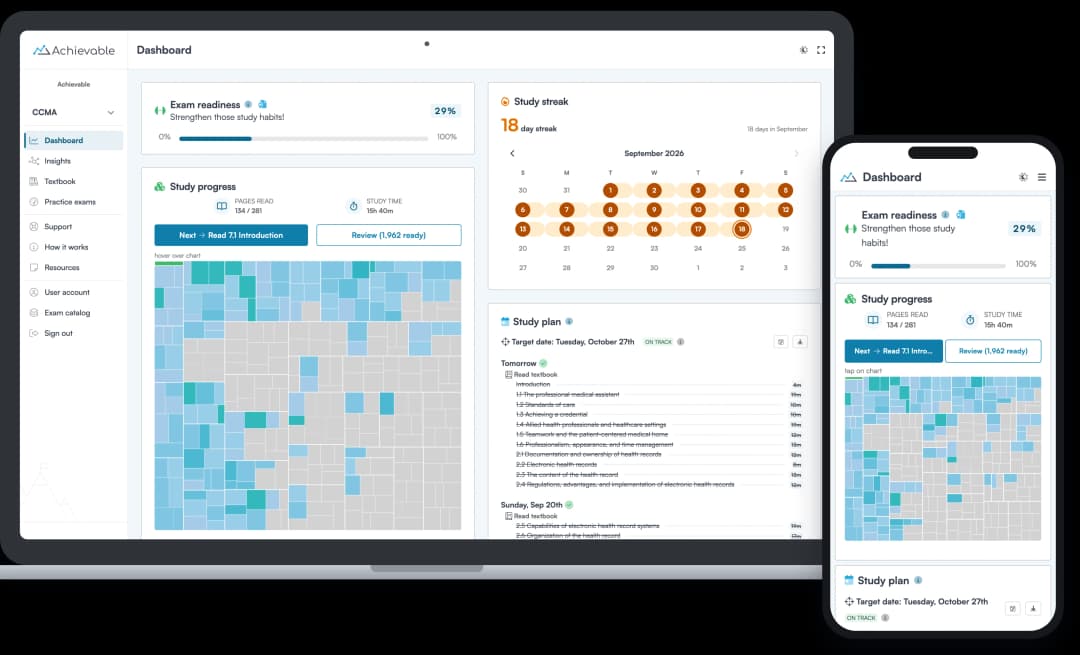
The Certified Clinical Medical Assistant (CCMA) certification validates the skills of clinical medical assistants in patient care and clinical procedures. Achievable's interactive online CCMA prep course makes complex medical topics simple and engaging. Our adaptive platform and AI tutor personalize your study plan, while memory science ensures effective exam prep that gets results.
Easy-to-understand online textbook
4.2k+ review questions
3+ full-length practice exams
Chapter 20: Assisting in endocrinology
7 sections
- Neuroendocrine control: Endocrine glands are ductless and release hormones into the bloodstream, while the nervous and endocrine systems use fast and slow signaling to maintain homeostasis through feedback and regulation.
- Major glands: The hypothalamus controls the pituitary gland, and the pituitary, thyroid, parathyroids, adrenals, pancreas, thymus, gonads, and pineal gland each secrete specific hormones with defined body effects.
- Hormone physiology: Hormones act on target cells with matching receptors, nonsteroid hormones use cell membrane receptors, steroid hormones enter the cell and nucleus, and hormone levels change with age and illness.
- Endocrine disorders: Pituitary, thyroid, parathyroid, adrenal, and pancreatic disorders include hypersecretion and hyposecretion states such as acromegaly, diabetes insipidus, hyperthyroidism, hypoparathyroidism, Addison disease, Cushing disease, and diabetes mellitus.
- MA responsibilities: The medical assistant measures vital signs, supports diagnostic testing and treatment teaching, coaches insulin and foot care, documents education, and promotes patient-centered and legally sound care.
In this chapter
- The neuroendocrine system and major endocrine glands
- The pancreas, thymus, gonads, and pineal gland
- Endocrine physiology and pituitary gland disorders
- Thyroid and parathyroid gland diseases and disorders
- Adrenal gland diseases and disorders
- Pancreatic diseases and disorders
- The medical assistant’s role in examinations, diagnostic procedures, and treatments
Study this chapter in Achievable
Chapter 21: Assisting in ophthalmology & otolaryngology
9 sections
- Eye anatomy and physiology: Ophthalmology studies eye disorders, and the eye uses cornea, aqueous humor, pupil, lens, retina, and optic nerve for light refraction and image processing.
- Ear anatomy and hearing: The ear’s outer, middle, and inner structures collect sound, amplify vibration, and use the cochlea, organ of Corti, and cranial nerve VIII for hearing and balance.
- Common eye and ear disorders: Cataracts, glaucoma, diabetic retinopathy, macular degeneration, refractive errors, infections, hearing loss, otitis, impacted cerumen, and Ménière disease can impair vision, hearing, or equilibrium.
- Eye and ear procedures: Medical assistants assist with exams, Snellen and Ishihara testing, eye irrigation, medication instillation, otoscopy, tuning fork testing, audiometric testing, and ear irrigation under provider order.
- Patient care and rights: Sensory-impaired patients need adapted communication, assistance, and respectful care, and the ADA/ADAAA requires physical and communication accommodations without discrimination.
In this chapter
- Anatomy and physiology of the eye
- Anatomy and physiology of the ear and lifespan changes
- Major ocular disorders: cataracts, glaucoma, and retinal disease
- Refractive errors and common eye infections
- Diseases and disorders of the ear
- The medical assistant's role in eye examinations
- The medical assistant's role in vision screening tests
- The medical assistant's role in ear examinations and treatments
- Patient coaching, legal issues, and professional behaviors in eye and ear care
Study this chapter in Achievable
Chapter 22: Assisting in gastroenterology
6 sections
- Gastroenterology overview: Gastroenterology is the specialty for digestive system and liver disorders, and GI disorders are common in multiple healthcare settings.
- GI anatomy: The GI tract, or digestive tract, or alimentary canal, includes the mouth, pharynx, esophagus, stomach, small intestine, and large intestine.
- Accessory organs and function: Accessory organs secrete fluids aiding digestion, and ingestion, digestion, absorption, and excretion are the four main processes of the gastrointestinal system.
- Conditions and assistance: GI disorders include IBD, obstructions, IBS, cancers, and other diseases, and the medical assistant screens calls, assists with exams and procedures, coaches patients, and maintains confidentiality.
In this chapter
- Assisting in gastroenterology
- The anatomy of the gastrointestinal tract and accessory organs
- Chronic intestinal disorders, accessory organ diseases, and GI cancers
- Additional digestive system diseases and disorders
- Diseases and disorders of the upper GI tract and acute intestinal conditions
- The medical assistant’s role in examinations, procedures, and treatments
Study this chapter in Achievable
Chapter 23: Assisting in the immune & lymphatic systems
7 sections
- System overview: The lymphatic system is structural and cleanses the cellular environment, while the immune system is functional and protects the body from pathogens.
- Key immune cells: Monocytes become macrophages in tissues, lymphocytes provide specific immunity, and most immune and lymphatic cells are white blood cells (WBCs).
- Defense and immunity: Nonspecific immunity includes physical, chemical, and cellular barriers, while specific immunity targets antigens, creates memory, and uses humoral and cell-mediated responses.
- Disorders and infections: Lymphoma, multiple myeloma, lymphedema, tonsillitis, autoimmune diseases, HIV/AIDS, hepatitis, STIs, COVID-19, and mononucleosis each have distinct causes, symptoms, diagnosis, and treatment patterns.
- Medical assistant role: The medical assistant assists with exams, diagnostic procedures, allergy testing and treatment, patient coaching, reportable disease awareness, nonjudgmental STI education, and staying home when sick.
In this chapter
- Anatomy of the immune and lymphatic systems
- Specific immunity, allergies, and lifespan changes
- Diseases & disorders of the lymphatic system
- Autoimmune diseases and HIV/AIDS
- Infectious diseases
- The medical assistant's role in examination and diagnostic procedures for immune conditions
- The medical assistant's role in treating immune conditions, coaching, and professional issues
Study this chapter in Achievable
Chapter 24: Assisting in pediatrics: the developmental stages and care
6 sections
- Pediatric examination: Pediatric vital signs include temperature, pulse, respirations, and blood pressure, and rectal and temporal artery temperatures are most accurate in infants.
- Growth and development: Growth is measurable change and development is skill progression, with assessments compared to national standards and therapeutic approaches matched to the child’s age and stage.
- Diagnostic and treatment care: Pediatric diagnostic care includes urine collection, vision and hearing screening, and immunizations, with strict documentation, storage, and handling requirements.
- Disorders and safety: Pediatric care also includes adolescent assessment, injury prevention, mandatory reporting of suspected abuse, and parent education on behavior, development, and infection control.
In this chapter
Study this chapter in Achievable
Chapter 25: The medical assistant’s role in caring for the older patient
2 sections
- Communication basics: The medical assistant should accommodate a slower pace and extra time, provide an age-appropriate office environment, and use effective, respectful, patient-centered communication that preserves dignity and independence.
- Teaching and safety: Older patients learn at a slower pace, so repeat information in varied wording, use large-print handouts, involve family as needed, and watch for elder abuse, neglect, or exploitation.
- Care planning: Include the patient and support system in decisions, follow HIPAA forms and disclosure authorizations, know reporting laws, and use problem-solving, holistic care, and community resources.
Study this chapter in Achievable
Chapter 26: The role of the medical assistant in physical therapy examination and assessment
5 sections
- Elastic bandages and wraps: Elastic bandages provide compression, swelling control, and support, and bandaging starts distally and moves proximally with fingers/toes exposed for circulation checks.
- Immobilizers and casts: Splints, immobilizers, braces, ankle boots, slings, and casts temporarily immobilize or support joints and bones, and abnormal CMST findings should be reported immediately.
- Rehabilitation support tasks: The medical assistant assists with PM&R examinations, ROM and muscle strength measurements, diagnostic preparation, exercise therapy, TENS, and cold and heat therapies.
- Assistive device coaching: Proper fitting and coaching for crutches, walkers, canes, and wheelchairs prevent falls and injuries, and complementary therapies and patient safety teaching require legal, ethical, and professional conduct.
Study this chapter in Achievable
Chapter 27: Preparing for minor surgery: room, solutions, and supplies
14 sections
- Medical assistant roles: Medical assistant roles include preparing the patient and field, assisting the provider, providing post-procedure care, disinfecting, and documenting.
- Minor surgery room: A dedicated procedure room is preferred, near a sink and autoclave, and it should be uncluttered and easy to disinfect.
- Surgical solutions: Sterile water, sterile normal saline, antiseptic skin cleansers, surgical hand scrubs, anesthetics, specimen handling, and silver nitrate must be selected and used correctly.
- Additional supplies: Sterilized gauze with petroleum jelly, surgical sponges, syringes and needles, and sterile dressing and bandaging materials are additional surgical supplies.
- Instrument groups: Surgical instruments are classified into four main groups: cutting and dissecting, grasping and clamping, retracting, and probing and dilating.
- Instrument details: Instrument parts, scissors, forceps, retractors, specialty gynecologic tools, biopsy instruments, needles, and genitourinary catheters have specific uses and sizes.
- Closure and care: Drapes, sutures, staples, adhesive strips, tissue adhesives, autoclave loading, sterilization, asepsis, and postoperative wound care all support safe minor surgery.
In this chapter
- Assisting in surgery
- Surgical instruments: cutting and grasping
- Surgical instruments: retracting, probing, and specialty
- Drapes and sutures
- Specialty instruments, needles, and wound closure
- Autoclave loading/unloading, chemical sterilization, and professional responsibilities
- Surgical asepsis, instrument care, and the utility room
- The autoclave process: operation, wrapping, and quality assurance
- Dressings, bandages, and professional conduct
- Introduction to minor office surgery and technology
- Specialized procedures and preoperative preparation
- Sterile technique and intraoperative assistance
- Completing surgery and postoperative care
- Wound care and healing
Study this chapter in Achievable
Chapter 28: Introduction to the clinical laboratory
10 sections
- Testing purposes: Laboratory testing documents health, screens for disease, aids diagnosis, monitors treatment and disease, and results guide provider decisions.
- Assistant responsibilities: Medical assistants enter lab orders, give collection instructions, collect and label specimens, prepare transport, perform CLIA-waived tests, and ensure patient comfort.
- Laboratory organization: Clinical laboratories are staffed by directors, CLSs, CLTs, MLAs, phlebotomists, and medical assistants in hospitals, ambulatory care, public health, reference labs, and POLs.
- Testing concepts: Homeostasis means a stable internal environment, normal/reference range represents 95% of healthy population, and abnormal values require context because they are not diagnostic alone.
- Test categories: Results may be qualitative, semi-quantitative, or quantitative, while CLIA assigns tests as waived, moderate-complexity, or high-complexity, with stricter requirements for more complex testing.
- Safety and quality: QA, QC, SOPs, accurate record keeping, and standard precautions support reliable testing, while specimen collection, handling, storage, equipment care, and patient coaching protect results and people.
In this chapter
Study this chapter in Achievable
Chapter 29: Urinalysis
9 sections
- Urine basics: Urinalysis is the second most common lab specimen after blood and can detect abnormal excretion, kidney/urinary tract disorders, and the presence of medications/drugs.
- Collection and handling: Clear instructions, proper containers, correct labeling, and timely refrigeration or processing are essential because urine changes after 1 hour at room temperature.
- Collection methods: Random, first-morning, second-voided, two-hour postprandial, catheterized, 24-hour, and clean-catch midstream specimens are chosen for specific tests and contamination control.
- Physical and chemical testing: Physical examination includes color, clarity, specific gravity, volume, odor, and foam, while reagent strip testing checks protein, glucose, ketones, bilirubin, blood, nitrite, urobilinogen, and leukocyte enzyme.
- Microscopy and toxicology: Urine sediment analysis identifies casts, cells, crystals, and contaminants, and urine toxicology requires careful collection, adulteration control, and chain of custody for legal specimens.
In this chapter
- Urine formation and specimen collection
- Urine specimen collection methods and handling
- Physical examination of urine
- Chemical examination of urine
- Quality control in urinalysis
- Additional CLIA-waived urine tests
- Microscopic preparation of urine and cellular findings
- Urine crystals, miscellaneous findings, and reporting results
- Urine toxicology, legal issues, and professional practice
Study this chapter in Achievable
Chapter 30: Blood collection
8 sections
- Phlebotomy purpose: Phlebotomy procedures are used for diagnosis, monitoring, and documenting patient health, and venipuncture is the primary method because blood is the most common laboratory specimen.
- Safety and training: OSHA Bloodborne Pathogens Standard ensures safety from HBV, HCV, and HIV, while medical assistants may be trained in phlebotomy and certification is optional but available.
- Equipment and tubes: Essential equipment includes PPE, needles, syringes, tourniquets, evacuated tubes, and sharps and waste containers, and the order of draw prevents additive carryover and sample contamination.
- Needles and follow-up: Needle safety devices must be used, needles are discarded in biohazard sharps containers, and post exposure needlestick follow-up includes washing the wound for 10 minutes, reporting, and confidential medical follow-up.
- Collection and complications: Routine venipuncture requires patient identification, correct site preparation, and proper tube labeling, while hematoma, fainting, specimen rejection, and pediatric or capillary puncture require specific prevention and management.
In this chapter
- Phlebotomy procedures
- Evacuated collection tubes and order of draw
- Phlebotomy needles and supplies
- Needle safety and post exposure follow-up
- Routine venipuncture
- Potential problems associated with venipuncture
- Capillary puncture: indications, equipment, and procedure
- Capillary puncture: processing, legal, and professional issues
Study this chapter in Achievable
Chapter 31: Analysis of blood
6 sections
- Blood basics: Blood tests are performed in hematology, immunohematology, chemistry, and immunology labs, while medical assistants perform CLIA-waived procedures in POL and complex CLIA tests are done in reference/hospital labs.
- Blood composition: Blood delivers nutrients, oxygen, enzymes, and hormones, maintains temperature, fluid balance, and pH, removes waste products, and whole blood is 55% plasma and 45% formed elements.
- Hematology testing: POL hematology tests include ESR, coagulation tests, and complete blood count, and CBC evaluation includes RBC, WBC, and platelet counts plus RBC indices, WBC differential, and platelet indices.
- Other blood tests: Immunohematology, blood chemistry, thyroid testing, patient coaching, legal and ethical issues, patient-centered care, and professional behaviors depend on accurate collection, documentation, confidentiality, quality control, and proper preanalytic, analytic, and postanalytic steps.
Study this chapter in Achievable
Chapter 32: Electrocardiography and heart structure
8 sections
- Heart structure: The heart has four chambers, valves, septum, and three wall layers, and intercalated discs enable rapid electrical communication for coordinated contraction.
- Blood flow: The right atrium receives deoxygenated blood from the superior vena cava, inferior vena cava, and coronary sinus, and the cardiac cycle includes diastole and systole.
- Conduction system: Specialized electrical cells initiate and transmit impulses through the SA node, AV node, Bundle of His, bundle branches, and Purkinje fibers.
- ECG tracing basics: ECG records depolarization and repolarization, and the tracing uses terminology such as isoelectric line, deflection, wave, complex, segment, and interval.
- Leads and procedure: A 12-lead ECG uses 10 electrodes, requires correct placement and artifact correction, and the provider interprets results while the medical assistant performs the test.
Study this chapter in Achievable
Chapter 33: The principles of pharmacology
7 sections
- Pharmacology basics: Pharmacology is the study of drug properties, actions, and uses, and medical assistants help with medication history, administration, dosage, and side effects.
- Drug sources and uses: Drugs come from natural sources or synthetic sources, and they have eight main uses: prevention, treatment, diagnosis, cure, contraceptive, health maintenance, palliation, and Pharm Replacement.
- Drug movement and action: Pharmacokinetics studies absorption, distribution, metabolism, and excretion, and these processes plus drug action determine therapeutic effects, toxicity risk, and response to dosing.
- Drug laws and safety: Prescribing, administering, and dispensing are governed by federal and state laws, with the Food, Drug, and Cosmetic Act, FAERS, MedWatch, and the Controlled Substances Act guiding safety and control.
- Prescriptions and drug information: Prescriptions and medication orders require specific details, and medical assistants must know drug names, classifications, reference information, look-alike/sound-alike precautions, and pregnancy labeling.
In this chapter
Study this chapter in Achievable
Chapter 34: Essential calculations and measurement systems
2 sections
- Number rules: Use correct unit abbreviations with space, no period, write fractions as decimals with a leading zero if <1, and do not add trailing zero after whole numbers.
- Measurement systems: The three systems are apothecary, household, and metric, and the metric system is most accurate and preferred in healthcare.
- Drug math principles: Absolute accuracy is required in dosage calculations, and drug labels must verify the medication name, strength, measurement system, and key information such as the NDC.
Study this chapter in Achievable
Chapter 35: Solid, liquid, & solutions medication doses
3 sections
- Tablet doses: Multiply tablets per dose × doses per day × number of days, or use proportion or after matching stock strength and ordered dose.
- Liquids and solutions: When units match, use proportion or ; percent solution means mg per 100 mL, and higher % is stronger.
- Safety and measurement: Pediatric doses use weight in kg, syringe calibration must be read at the top of the rubber stopper, and scope, policies, verification, and clarification must be followed.
Study this chapter in Achievable
Chapter 36: Administering medications
9 sections
- Nine rights: Medication administration requires the right medication, dose, route, time, patient, education, refusal, technique, and documentation.
- Vaccines and VIS: Vaccine type, timing, and contraindications guide administration, and a VIS must be provided before vaccination and documented with required details.
- Medication routes: Oral, sublingual, buccal, transdermal, inhalation, topical, vaginal, rectal, nasal, ocular, otic, irrigation, and parenteral routes each use specific techniques.
- Tuberculin testing: Intradermal tuberculin testing uses 0.1 mL PPD, is read in 48–72 hours by induration in mm, and two-step testing helps detect a booster phenomenon.
- Needles and injections: Needle and syringe selection, sterile preparation, reconstitution, and subcutaneous and intramuscular technique must follow aseptic safety rules and state scope of practice.
In this chapter
- Administering medications
- Administering vaccines
- Routes of medication
- Intradermal injections and tuberculin testing
- Needles and syringes
- Preparing parenteral medication
- Reconstitution, mixing, and general injection guidelines
- Subcutaneous and intramuscular injections
- Intramuscular injections and professional issues
Study this chapter in Achievable
Chapter 37: Metabolism and core nutrient roles
9 sections
- Nutrition basics: Nutrition is the study of food substances for growth and health, and balanced diet and dietary coaching are important in healthcare.
- Metabolism and energy: Metabolism is the body’s process to obtain/make energy from food, with catabolism releasing energy and anabolism using energy.
- Core nutrients: Essential nutrients must be obtained from food, while nutrient-rich foods are high in nutrients and low in calories; carbohydrates, protein, fat, vitamins, minerals, and water all matter.
- Carbs and protein: Carbohydrates should provide 45–65% of daily calories, fiber does not raise blood glucose, and protein should provide 10–35% of daily calories and supply amino acids.
- Other nutrition guidance: Fats, minerals, vitamins, water, food labels, diet plans, allergies, and life-stage needs guide patient teaching and dietary coaching for specific conditions.
Study this chapter in Achievable
Chapter 38: Medical emergencies in the healthcare setting
10 sections
- Safety and disposal: Open communication, standardized procedures, and adherence to identification, hand hygiene, and medication protocols are essential for patient safety.
- Hazard control: Prevent slips, use PPE and sharps containers, maintain fire safety and evacuation plans, and dispose only regulated waste in biohazard or sharps containers.
- Emergency readiness: Ambulatory care centers often first respond, so facility-specific emergency policies, annual drills, site-specific duties, and emergency contacts must be ready.
- Bioterrorism response: Standard Precautions, infection control procedures, and the Laboratory Response Network support response to anthrax, botulism, plague, smallpox, and other events.
- Emergency assistance: Medical assistants provide first aid, CPR, AED support, emergency supplies, and proper assessment, documentation, and response for cardiac emergencies, choking, stroke, shock, and common office emergencies.
- Special emergencies: Head injuries, eye foreign bodies, heat and cold injuries, dehydration, diabetic emergencies, and patient education require calm action, legal awareness, and professional critical thinking.
In this chapter
- Safety and hazardous waste disposal in the healthcare facility
- Emergency preparedness and community response
- Assisting with medical emergencies
- Management of emergencies (Initial assessment and unresponsive patient care)
- Cardiac emergencies and choking
- Stroke and shock
- Common office emergencies
- Pain and traumatic injury management
- Special needs, metabolic, and final review
- Diabetic emergencies, patient education, and professional issues
Study this chapter in Achievable
CCMA certification at a glance
- Questions
- 150 scored + 30 unscored multiple-choice questions
- Time
- 3 hours
- Passing score
- 390 (on a scale of 200-500)
- Exam fee
- $165
More on the CCMA certification
- CCMA certification prep courseAchievable's course: online textbook, review quizzes and full-length practice exams.
- CCMA certification format, content and scoringWhat's tested, how long it takes, what it costs, and the score you need to pass.
- Free CCMA practice examPractice questions written to match the real thing, with an explanation for every answer.
- CCMA FAQThe questions asked most about the exam and preparing for it, answered.
- Best CCMA certification prep coursesHow the leading providers compare on content, format and price.
- CCMA study resourcesGuides and study advice from Achievable's instructors.
Pass the CCMA. Guaranteed.
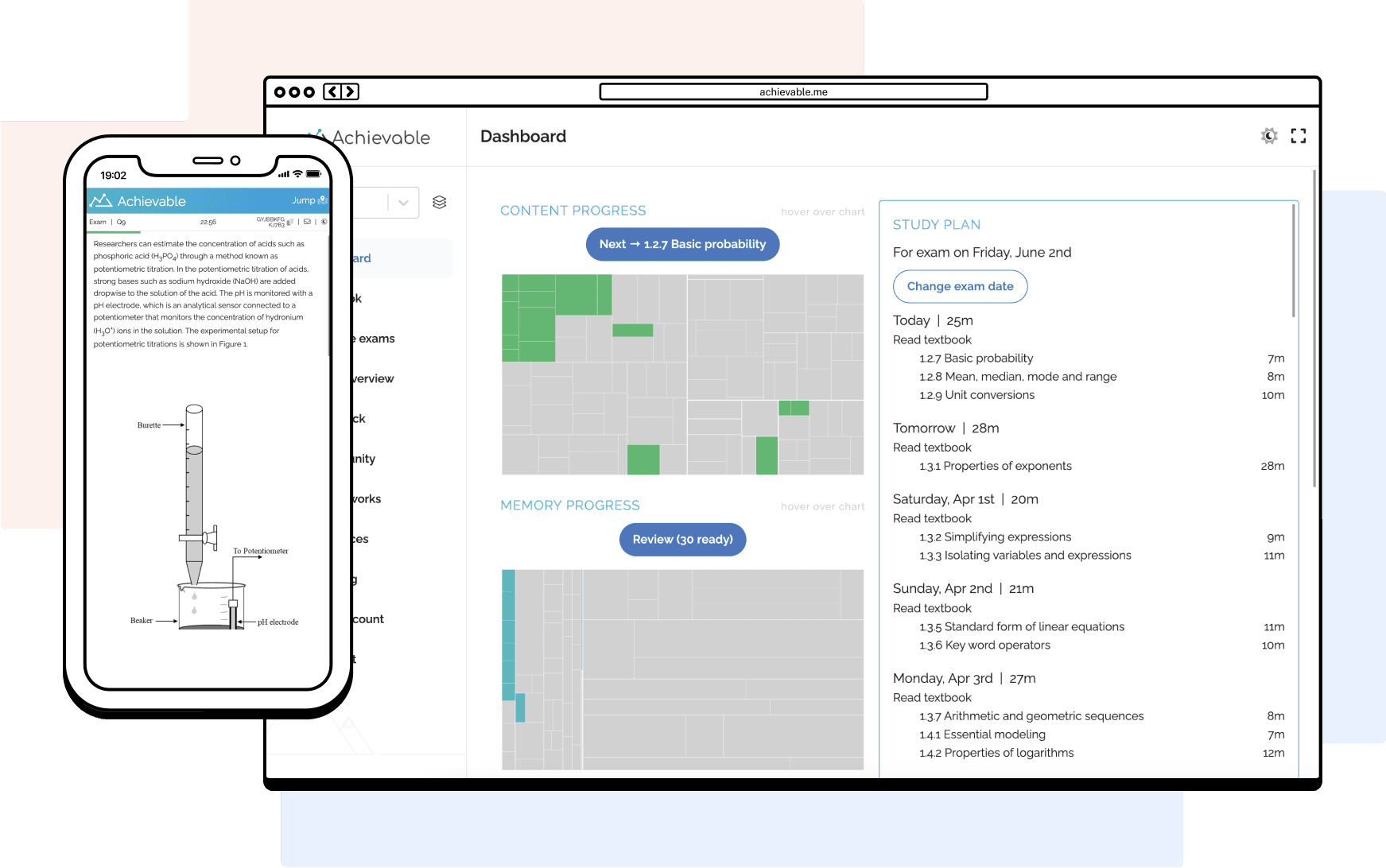
Achievable is the best CCMA exam prep course: effective, personalized, and convenient. With Achievable, you'll spend less time studying and pass your exam the first time, or your money back.