Unlocking fun, motivation, and success through youth sports


Conor Heeney serves as Performance Sport Coordinator and Head of Strength and Conditioning at Liverpool John Moores University. He supports athletes in achieving their performance and fitness goals, leveraging advanced facilities and cutting-edge technology to enhance physical development. His expertise spans combat sports, football, and university performance programs. Conor holds several respected qualifications, including Certified Strength and Conditioning Specialist (CSCS) and Accredited Strength and Conditioning Coach (ASCC) status with the UK Strength and Conditioning Association (UKSCA). Alongside his practical coaching work, he provides academic leadership and mentorship, helping to develop the next generation of sport scientists and high-performing athletes.
Table of contents
- What educators can learn from modern coaching: Motivation, personalization, and student growth
- Key insights
- Rethinking youth development: Why variety and enjoyment matter
- Try this in your classroom
- Student motivation: Why play and small wins matter
- Try this in your classroom
- Personalized learning through individualized coaching
- Try this in your classroom
- Supporting student well-being: Balancing achievement and recovery
- Try this in your classroom
- Using success stories to build trust and inspire learning
- Try this in your classroom
- Reframing education through modern coaching principles
What educators can learn from modern coaching: Motivation, personalization, and student growth
Key insights
- Student growth thrives when educators prioritize development, enjoyment, and long-term learning over high-pressure performance models.
- Play, gamification, and small wins can significantly improve student motivation and engagement.
- Personalized learning and clear communication help students build lasting commitment to their goals.
- Supporting student well-being requires balancing achievement with recovery, resilience, and psychological safety.
- Real-world success stories build trust, inspire learners, and demonstrate the impact of effective coaching and teaching.
Educators today work with increasingly diverse groups of learners. Students differ in age, background, learning preferences, motivation levels, and academic goals. As a result, a one-size-fits-all approach to teaching and coaching is no longer effective.
Many of the same challenges teachers face are also faced by coaches. Whether supporting students in a classroom, athletes on a field, or professionals in a workplace, the most successful leaders understand how to motivate individuals, personalize support, and create environments where people can thrive.
This article explores what educators can learn from modern coaching strategies to improve student engagement, foster growth mindsets, and support long-term success.
Rethinking youth development: Why variety and enjoyment matter
In recent years, youth sports have become increasingly competitive. Programs that once focused on recreation, social development, and enjoyment often mirror the structures of professional sports. Early specialization, where children focus on a single activity year-round, has become increasingly common.
Research suggests this approach can have unintended consequences. Early specialization is associated with higher injury rates, increased burnout, and greater dropout rates among young athletes. The Aspen Institute's Project Play initiative has found that children who specialize early are more likely to drop out of sports during their teenage years.
The lesson for educators extends beyond athletics.
Just as young athletes benefit from varied experiences, students benefit from exposure to multiple subjects, interests, and learning opportunities. Excessive pressure to achieve specific outcomes can reduce curiosity, creativity, and intrinsic motivation.
Girls are particularly affected by this trend. Research from the Women's Sports Foundation shows that girls leave organized sports at higher rates than boys during adolescence, often because participation becomes less enjoyable and more pressure-filled.
Whether in classrooms or athletic programs, educators can create healthier learning environments by focusing on growth, exploration, and enjoyment rather than exclusively on performance metrics.
Try this in your classroom
- Encourage students to explore multiple interests before narrowing their focus.
- Recognize effort, improvement, and persistence, not just outcomes.
- Build collaborative activities that emphasize learning and participation.
When students enjoy the learning process, they are more likely to stay engaged and continue developing their skills over time.
Student motivation: Why play and small wins matter
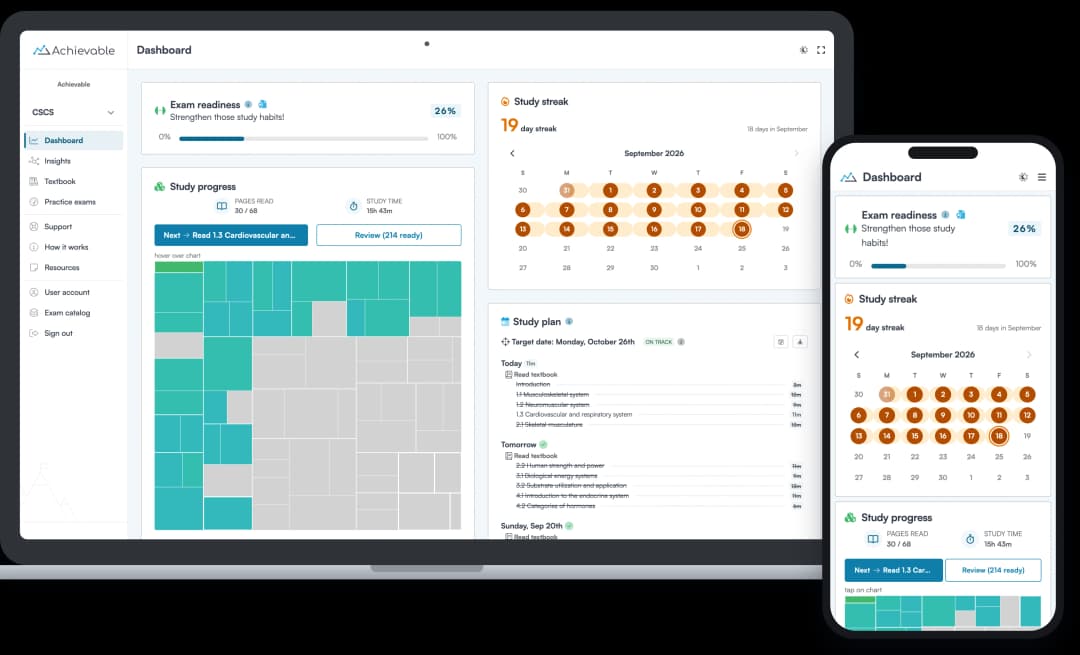
One of the most effective student engagement strategies is surprisingly simple: make progress visible and enjoyable.
Research consistently shows that incorporating elements of play, challenge, and immediate feedback can significantly improve motivation. Games naturally balance challenge and skill, helping learners enter a state of focused engagement often referred to as "flow."
This principle has been successfully applied across education and technology. Language-learning platforms like Duolingo use badges, streaks, and progress tracking to encourage consistent participation. Rather than relying solely on external rewards, these systems create momentum through frequent positive feedback.
Small wins are particularly powerful because they build confidence. Behavioral scientist BJ Fogg has shown that celebrating small accomplishments strengthens habits and increases the likelihood of sustained action.
For students, this means large goals should be broken into manageable milestones. Completing one assignment, mastering one concept, or improving one skill creates a sense of progress that encourages continued effort.
Equally important is how learners view setbacks.
Psychologist Carol Dweck's research on growth mindset demonstrates that students who see mistakes as learning opportunities are more likely to persevere through challenges. In many games, failure is simply feedback: think of it as a signal to adjust and try again.
Try this in your classroom
- Break major projects into smaller milestones.
- Celebrate incremental progress throughout the learning process.
- Frame mistakes as opportunities for improvement.
- Use low-stakes challenges, quizzes, or gamified activities to increase engagement.
By combining playfulness with meaningful progress tracking, educators can help students develop resilience and maintain motivation over time.
Personalized learning through individualized coaching
One of the most valuable lessons educators can learn from coaching is that people rarely respond to identical approaches.
Personalized learning has become a central topic in education because students have different goals, learning styles, strengths, and challenges. Effective coaches understand this and adapt their communication, feedback, and support strategies accordingly.
The first step is helping learners understand the purpose behind their work.
When students understand why a lesson, assignment, or activity matters, they are more likely to engage fully. Clear explanations create ownership and help learners connect daily tasks to larger goals.
Communication styles also matter. Some students respond best to detailed individual feedback, while others thrive when recognized publicly. Some prefer structured guidance, while others benefit from greater autonomy.
Educators can gather valuable insights through surveys, one-on-one conversations, reflection exercises, and regular check-ins. These interactions help identify what motivates each learner and how support can be tailored over time.
Try this in your classroom
- Survey students about their goals and preferred learning methods.
- Schedule regular progress check-ins.
- Adjust feedback styles based on individual needs.
- Connect assignments to real-world applications whenever possible.
Personalized learning does not require creating separate lessons for every student. Rather, it involves understanding learners as individuals and adapting support in meaningful ways.
Supporting student well-being: Balancing achievement and recovery
Elite coaches understand that sustainable performance requires more than hard work, especially when top athletes are susceptible to overtraining. Success depends on balancing challenge with recovery, growth with well-being, and ambition with realistic expectations.
This lesson is increasingly relevant in education.
Students today often face significant academic, extracurricular, and social pressures. When expectations continually increase without adequate support, burnout can follow. Signs may include disengagement, declining performance, anxiety, fatigue, or loss of motivation.
High-performing athletic organizations have adopted comprehensive approaches to well-being. Teams such as New Zealand's All Blacks have become known for prioritizing recovery, communication, and long-term development alongside competitive success.
Educators can apply similar principles in learning environments.
Creating psychologically safe classrooms encourages students to speak openly about challenges, ask questions, and seek help when needed. Regular conversations about workload, stress, and well-being can help identify problems before they become barriers to learning.
Try this in your classroom
- Normalize discussions about stress and mental well-being.
- Build reflection and recovery time into learning schedules.
- Encourage students to seek support when needed.
- Focus on sustainable growth rather than constant performance.
Students are more likely to succeed when they feel supported as people, not just evaluated as learners.
Using success stories to build trust and inspire learning
Stories remain one of the most powerful teaching and coaching tools available.
Research consistently shows that people trust others' experiences when making important decisions. Real-world examples help learners see what success looks like while making goals feel more attainable.
In education, success stories can take many forms. Teachers might highlight former students who overcame challenges, share examples of effective learning strategies, or invite students to reflect on their own progress.
The most effective stories focus not only on outcomes but also on obstacles, setbacks, and growth. These narratives reinforce the idea that improvement is achievable through effort and persistence.
Success stories also create a sense of belonging. When learners see people with similar backgrounds, challenges, or experiences succeed, they are more likely to believe they can succeed as well.
Try this in your classroom
- Share examples of student growth and perseverance.
- Highlight diverse pathways to success.
- Encourage students to document and celebrate their own progress.
- Use reflective exercises that help learners recognize how far they have come.
Authentic stories build trust, strengthen motivation, and reinforce growth-oriented learning environments.
Reframing education through modern coaching principles
Across classrooms, sports programs, and professional development settings, the same principles consistently emerge: prioritize growth over pressure, make learning enjoyable, personalize support, celebrate progress, and protect well-being.
Students thrive when they understand the purpose behind their work, experience meaningful progress, and feel supported throughout the learning process. Likewise, educators achieve greater impact when they adapt their approach to meet individual needs rather than relying solely on standardized methods.
Ultimately, the goal of education extends beyond academic achievement. Like the best coaches, the best educators help people become more capable, resilient, confident, and adaptable throughout their lives.