Top places to work as a pharmacy technician
Curious about where to work as a pharmacy technician? We’ve compiled a database of top pharmacies and healthcare centers, with supplementary data including Glassdoor ratings, employee counts, and more. Whether you’re a certified pharmacy technician looking for your next role or curious about the pharmacy tech job market, we’ve got you covered.
How long does it take to become a pharmacy technician?
Becoming a certified pharmacy technician can take anywhere from 4 months to over 2 years, depending on the path you take.
In terms of educational requirements, pharmacy tech jobs require at least a high school diploma, and many people choose to take additional courses or pursue a pharmacy technician associate’s degree before getting certified. Completing a 2-year associate’s program can better prepare you for the scientific and technical knowledge needed to pass your PTCE or ExCPT and succeed in your professional role. Many people also spend time gaining on-the-job experience as a pharmacy tech trainee or apprentice. Both the PTCB and NHA certifications require a specified number of hours of work experience (500 for PTCB, 1,200 for NHA) or an equivalent training program.
No matter what you choose to do pre-certification, be sure to allocate at least a few months to prepare for the PTCB or NHA exam.
Pharmacy technician jobs

Being a CPhT qualifies you for roles in a variety of healthcare and pharmaceutical settings, including:
- Retail pharmacies (CVS, Walgreens, etc.)
- Mail-order pharmacies
- Compounding pharmacies
- Hospital pharmacies
- Clinics
- Long-term care facilities
Where you decide to work depends on your certification, your career background, and the kind of healthcare work environment that interests you.
Some of the top pharmacy technician jobs are:
- Pharmacy technician levels 1, 2, and 3: Fulfills the essential duties of a pharmacy technician, which include preparing medications; packaging, labeling, and processing prescriptions; managing billing and insurance; and completing data entry tasks. Levels are differentiated by years of experience and training as well as certification requirements. Higher-level pharmacy technicians can advance to managerial or supervisory roles within their workplace.
- Retail pharmacy technician: Works in a retail business or a pharmaceutical office. The technician assists with retail responsibilities, including managing inventory and providing customer service, among other duties.
- Mail-order pharmacy technician: Fills prescriptions, prepares medications and compounds, and takes care of clerical duties like managing patient databases in an office setting. Medications are sent directly to customers rather than picked up at a physical pharmacy.
- Hospital pharmacy technician: Works in hospital pharmaceutical units. Supplies medications to doctors and patients and is responsible for rapid medication preparation and distribution.
- Private pharmacy technician: Prepares medicines at clinics, nuclear pharmacies, long-term care facilities, and other specialized medical establishments. These roles require more technical knowledge than retail pharmacy technician positions. Pharmacy techs in these spaces often specialize or earn advanced certifications, which are crucial for higher-paying roles.
- Compound pharmacy technician: Works at specialized pharmacies that offer natural and customized medications to fit patient needs. Pharmacy technicians at compound pharmacies typically do not interact with patients or customers as often as techs in commercial pharmacies or private facilities.
- Pharmacy benefits manager (PBM) technician: Oversees payment and processing of medications for third-party pharmacies. PBM technicians often work at standard pharmacies but provide tracking and verification services to other pharmaceutical offices and insurance companies. They are responsible for processing claims, resolving insurance coverage issues, and managing drug formularies.
- Laboratory pharmacy technician: Works at laboratories that develop drugs and synthesize chemicals for medications. These technicians are responsible for maintaining optimal storage environments and ensuring the lab is well-stocked with the necessary substances and equipment.
How much do pharmacy technicians make?
According to the Bureau of Labor Statistics (BLS), the median annual salary for pharmacy technicians was $43,460 in May 2024, with the highest 10 percent earning more than $59,450.
Here’s a chart of the median pharmacy technician salary in top industries. Pharmacy technicians in hospitals and private facilities tend to have higher earnings than those who work retail:
| Industry | Median pharmacy technician salary |
|---|---|
| Ambulatory healthcare services | $49,920 |
| Hospitals | $49,310 |
| General merchandise retailers | $46,180 |
| Grocery and specialty food retailers | $38,810 |
| Pharmacies and drug retailers | $37,900 |
Average salaries for pharmacy technicians vary from state to state, so take a look at the pharmacy tech jobs near you to get a better sense of your earning potential.
Pharmacy technician job outlook
The BLS projects that employment of pharmacy technicians will grow by 7% from 2023 to 2033, faster than the average for all occupations. As with many jobs in healthcare, this outlook is shaped by the increasing needs of an aging population and the opportunities for better, more efficient care enabled by technological advancements.
Find pharmacy technician jobs
Below is a list of the top 153 places to work as a pharmacy technician, including retail pharmacies, university medical centers, hospitals and medical care facilities, and compounding pharmacies. We added each company’s job board below to make it easy for you to find your next role as a CPhT. Read on for the top 153 employers of pharmacy technicians:
Ahold Delhaize
- Website: https://www.aholddelhaize.com/
- Employees: 402,000
- Headquarters: 1385 Hancock Street, Quincy, Massachusetts 02169, US
- Job board: https://www.aholddelhaize.com/careers/
- Glassdoor rating: 3.8
Ahold Delhaize, headquartered in Zaandam, Netherlands, is a global retail powerhouse formed in 2016 through the merger of Dutch company Ahold and Belgian Delhaize Group, both with roots dating back to the 1800s. Operating in nine countries, the company manages more than 9,400 grocery, convenience, and specialty stores, employing over 414,000 people under banners like Food Lion, Giant Food, Stop & Shop, Delhaize, Albert Heijn, Mega Image, and Hannaford. The U.S. accounts for roughly two-thirds of Ahold Delhaize’s revenue, with over 2,000 stores across 23 states. The company is listed on Euronext Amsterdam and Brussels (ticker: AD) and reported €89.4 billion in revenue and €1.8 billion in net income in 2024. Under CEO Frans Muller, the company is known for integrating sustainability with omnichannel strategies, including a 2020 Instacart partnership and the acquisition of FreshDirect (sold in 2023). Ahold Delhaize is also expanding in Eastern Europe with its 2023 acquisition of Romanian retailer Profi. Despite recent controversies around revised animal welfare timelines, the company remains a major global employer and food retailer focused on long-term growth and innovation.
AIDS Healthcare Foundation
- Website: https://www.aidshealth.org/
- Employees: 10,000
- Headquarters: 6255 West Sunset Blvd., 21st Floor, Los Angeles, CA 90028.
- Job board: https://www.aidshealth.org/careers-managed-care/
- Glassdoor rating: 4.0
The Los Angeles-based AIDS Healthcare Foundation (AHF) is a global nonprofit organization providing high-quality HIV care and services to those in need. It generates innovative approaches to treatment and tackles barriers to care through a network of pharmacies, thrift stores, wellness centers, housing sites, and food-service programs. Founded in 1987 as a hospice network, AHF has evolved into the world’s largest AIDS organization, delivering care to over 2.1 million patients across 47 countries. It operates about 400 clinics, 69 outpatient healthcare centers, 62 pharmacies, and 22 Out of the Closet thrift stores, supported by more than 5,000 employees. AHF funds its mission through business ventures such as its pharmacies and thrift stores. It leads advocacy in HIV testing, condom use, PrEP distribution, housing, and global health equity. Under President Michael Weinstein, AHF has expanded beyond care into ballot initiatives, housing development, and drug pricing reform. It launched the Healthy Housing Foundation to provide affordable housing, primarily through hotel conversions. AHF has been both praised for its reach and criticized for controversial stances, political spending, and legal disputes. The organization is a major player in U.S. and global HIV care, with additional focus on social justice, housing, and policy reform, pursuing its mission to deliver healthcare regardless of ability to pay.
Albany College of Pharmacy and Health Sciences
- Website: https://www.acphs.edu/
- Employees: 1,000
- Headquarters: 150 New Scotland Ave, Life Sciences Innovation Building, Albany, NY 12208.
- Job board: https://www.acphs.edu/careers
- Glassdoor rating: 3.7
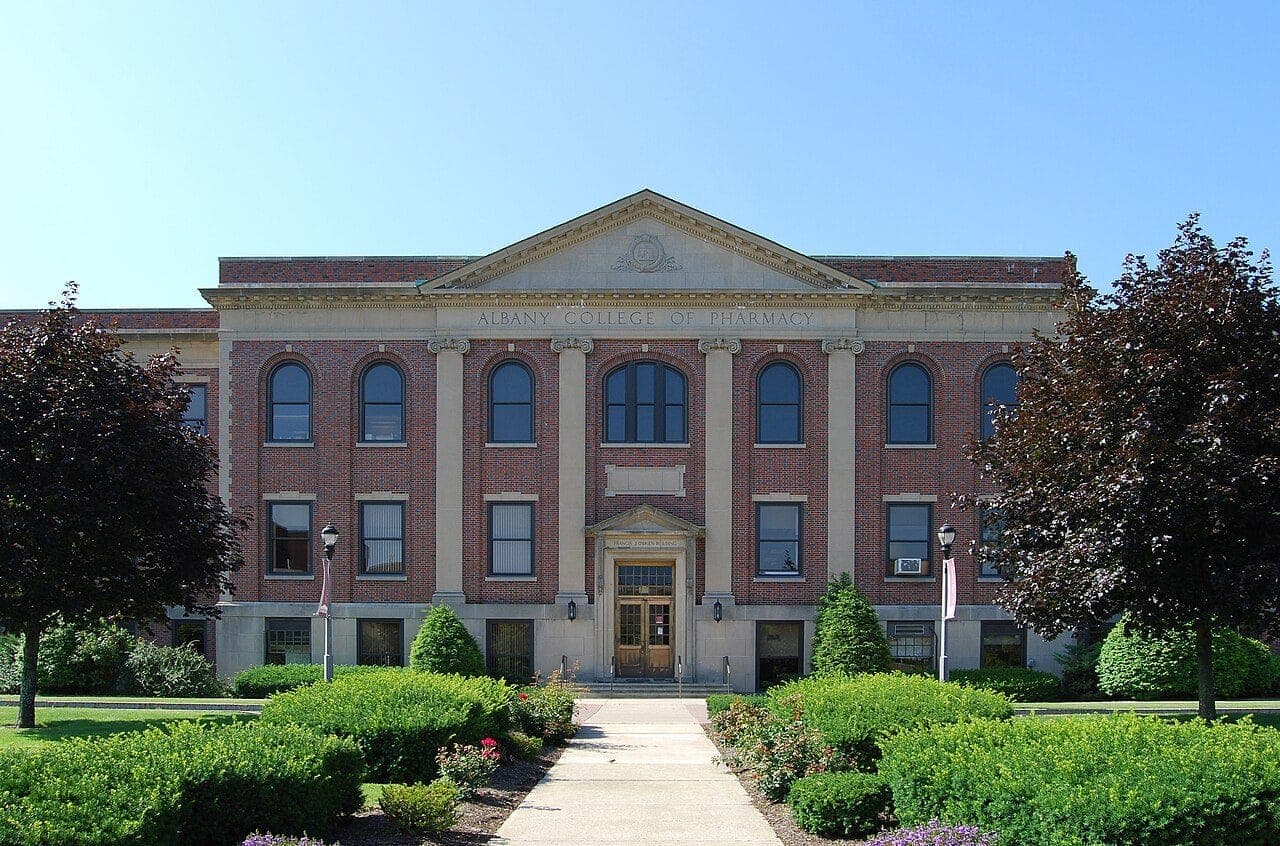
Albany College of Pharmacy and Health Sciences (ACPHS), established in 1881, is a private, independent institution based in Albany, New York. With a student body of approximately 900 and around 115 faculty members, the college is situated in the University Heights section of Albany, close to several other academic and healthcare institutions. ACPHS specializes in pharmacy and health sciences education, offering a range of undergraduate and graduate programs including Pharmacy, Biomanufacturing and Bioprocessing, Biomedical Sciences, Clinical Laboratory Sciences, Pharmaceutical Sciences, and Public Health. In addition to its academic offerings, ACPHS provides students and employees access to multiple on-campus facilities including lecture halls, laboratories, residence halls, a library, a gymnasium, and student support services. The college is led by President Toyin Tofade, PharmD, the first Black woman to serve in the role, who began her tenure in July 2022. ACPHS has been recognized for its high return on investment, ranking #1 in New York and #2 nationwide according to Georgetown University’s Center on Education and the Workforce. While the Colchester, Vermont campus closed in 2021 due to enrollment decline, the Albany campus continues to grow, with a planned merger with Russell Sage College expected to finalize by Fall 2027. Employment opportunities at ACPHS include a generous benefits package with health coverage, tuition assistance, retirement plans, and wellness reimbursements. The college values a collaborative work culture that supports personal growth and professional development. For aspiring pharmacy professionals, ACPHS serves as both a training ground and a potential employer, contributing significantly to the preparation and hiring of future pharmacists and pharmacy technicians through its strong academic foundation and industry connections.
Albany Medical Center
- Website: https://www.albanymed.org/albany/
- Employees: 9,300
- Headquarters: 43 New Scotland Ave., Albany, NY 12208
- Job board: https://www.albanymed.org/careers/
- Glassdoor rating: 3.4
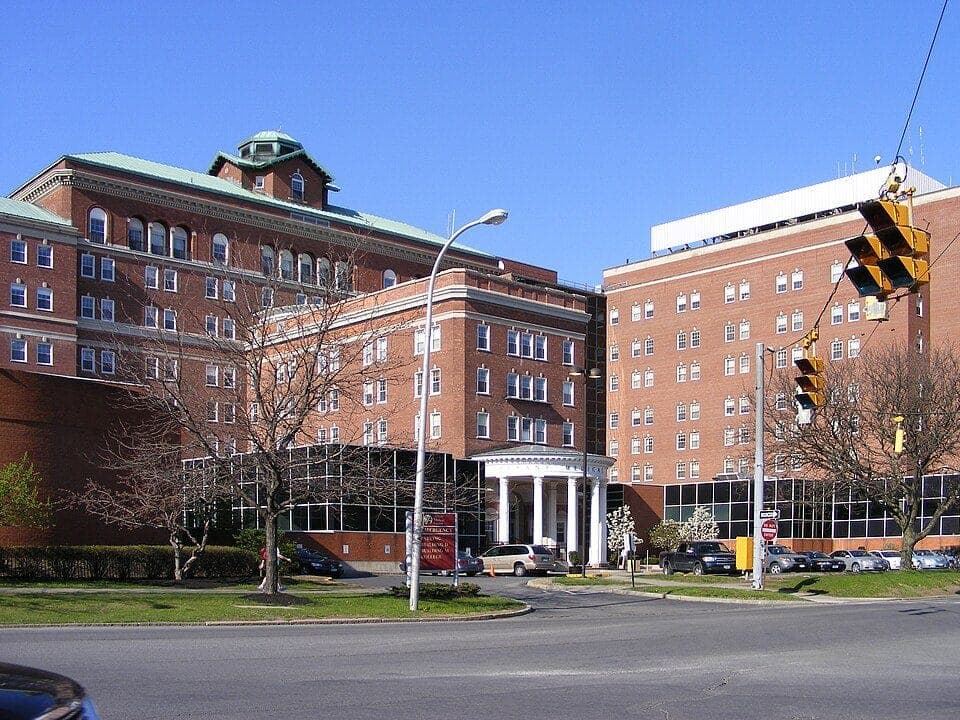
Albany Medical Center, the only academic medical center in northeastern New York and a core partner in the Albany Med Health System, is one of the region’s largest private employers with more than 9,000 employees. Known for excellence in patient care, biomedical research, and education, Albany Medical Center operates a 766-bed facility with a children’s hospital, trauma and transplant services, and intensive care units. Its physician practice, the largest in the region, includes more than 500 doctors. Albany Medical College, founded in 1839, educates medical doctors, PAs, CRNAs, biomedical scientists, and bioethicists, and contributes to the system’s academic and research mission. The institution offers a range of specialty services and is recognized by the New York State Department of Health as a regional trauma center, comprehensive stroke center, regional perinatal center, and AIDS center. Albany Medical Center is part of a not-for-profit system that also includes Columbia Memorial Health, Glens Falls Hospital, Saratoga Hospital, and the Visiting Nurses, providing both community-based and advanced care across northeastern New York and western New England. The system is committed to health equity and inclusion, with nearly 17,000 employees across its member institutions. Albany Medical Center supports employee wellbeing with competitive pay, paid time off, and inclusive environments that promote career growth. For students in pharmacy or related fields, the system's scale and academic affiliation highlight the presence of healthcare professionals across a range of disciplines, offering a potential environment for those exploring pharmacy technician roles or related careers in clinical and academic settings.
Albertsons

- Website: https://www.albertsonscompanies.com/home/default.aspx
- Employees: 285,000
- Headquarters: Boise, 250 E Parkcenter Blvd, United States
- Job board: https://www.albertsons.com/careers.html
- Glassdoor rating: 3.4
Albertsons Companies, Inc., headquartered in Boise, Idaho, is one of the largest food and drug retailers in the United States, with over 2,270 retail stores across 34 states and Washington, D.C. Known for a diverse portfolio of banners including Safeway, Vons, Jewel-Osco, Acme, and Shaw’s, Albertsons also operates 22 distribution centers and 19 manufacturing facilities. The company employs approximately 285,000 people and serves over 36 million customers weekly, supported by 1,728 in-store pharmacies, 405 fuel stations, and a loyalty program with over 45 million members. In fiscal year 2024, Albertsons generated $80.4 billion in revenue and donated $435 million in food and financial support, enabling over 255 million meals through its Nourishing Neighbors initiative. Originally founded in 1939 by Joe Albertson in Boise, the chain gained national prominence through acquisitions, most notably its 2015 merger with Safeway. A proposed $25 billion merger with Kroger was announced in 2022 but ultimately terminated in 2024 after facing state and federal legal opposition. Despite regulatory hurdles, Albertsons continues to focus on digital innovation and community engagement, offering customers a full-service shopping experience that blends convenience, fresh offerings, and trusted neighborhood presence.
Amber Compounding Pharmacy
- Website: https://amber-pharmacy.com/join-us.html
- Employees: 200
- Headquarters: Omaha, Nebraska.
- Job board: https://amber-pharmacy.com/join-us.html
- Glassdoor rating: 3.8
Amber Compounding Pharmacy is a Singapore-based healthcare provider specializing in evidence-based, customized medications. Founded in 2008 by Jayne Wee, who was inspired by personal family experiences with conventional medicine limitations, the company operates both retail and compounding pharmacies in Singapore and Malaysia. Their team of specialized pharmacists collaborates with doctors, veterinarians, naturopaths, and healthcare practitioners to develop personalized solutions for patients who need medications tailored by dosage, strength, or form. Amber focuses on dermatology, nutritional compounding, herbal and veterinary medicine, and also supports treatments in areas like pain, hair loss, bio-identical hormones, psychiatry, and paediatrics. Their services include sourcing hard-to-find or discontinued medicines and complying with strict quality standards, including ISO9001 accreditation and adherence to USP <795> and <797> guidelines. The pharmacy is regulated by Singapore's Health Sciences Authority. Amber maintains a strong internal quality control system, with checks across all stages of compounding and regular potency testing. Their in-house R&D team, led by Dr Ong Wee Kiat, works with academic institutions such as Monash University Malaysia and University of Nottingham Malaysia to innovate and validate formulations. Amber encourages a dynamic and supportive work environment and is actively hiring for roles such as pharmacists, compounding technicians, formulation development, customer service, business development, logistics, and administrative support. The company values curiosity, autonomy, high standards, and team engagement, making it a viable employer for pharmacists and pharmacy technicians seeking roles in precision medicine and compounding pharmacy.
Atrium Health
- Website: https://atriumhealth.org/
- Employees: 70,000
- Job board: https://careers.atriumhealth.org/search/jobs?q=Pharma&location=
- Glassdoor rating: 3.7
Atrium Health, legally known as The Charlotte-Mecklenburg Hospital Authority, is a large nonprofit health system headquartered in Charlotte, North Carolina, operating across North Carolina, South Carolina, Georgia, and Alabama. With over 70,000 employees and approximately $9.9 billion in net operating revenue in 2019, it serves as one of the largest employers in the region, offering diverse opportunities for pharmacists and pharmacy technicians. Following its merger with Advocate Aurora Health in 2022, Atrium Health became part of Advocate Health, which includes 40 hospitals, 7 freestanding emergency departments, over 30 urgent care centers, and more than 1,400 care locations. Specialized care areas include pediatrics, cancer, heart care, organ transplants, musculoskeletal services, and burn treatments, providing multiple paths for pharmacy professionals. Atrium Health places a strong emphasis on inclusive workplace culture and career development, highlighting a commitment to equity and professional growth. Employees receive a comprehensive benefits package covering health insurance, retirement, life insurance, and ongoing education opportunities. Pharmacists and pharmacy technicians play crucial roles in delivering innovative and compassionate patient care within an academic healthcare setting supported by the Wake Forest University School of Medicine. Atrium Health has faced legal challenges over antitrust issues and billing practices, but it has taken corrective actions and continues to serve its mission to improve health outcomes and access to care. Its legal governance structure as a municipal hospital authority allows it to operate with significant independence. With national recognition and frequent hiring events, Atrium Health presents a compelling option for aspiring pharmacists and pharmacy technicians looking to join a large, mission-driven healthcare network dedicated to serving communities and advancing medical care.
Auburn University

- Website: https://www.auburn.edu/
- Employees: 14,000
- Headquarters: 1550 East Glenn Avenue in Auburn, Alabama
- Job board: https://www.auburn.edu/administration/human_resources/employment/working-at-auburn.php
- Glassdoor rating: 4.3
Auburn University is a comprehensive land-, sea-, and space-grant research institution recognized for blending the liberal arts and applied sciences while honoring its longstanding traditions. With an enrollment of 29,776 students as of fall 2017, Auburn offers undergraduate, graduate, and professional degrees through 15 schools and colleges. The university plays a critical role in Alabama’s economy, contributing nearly $4 billion statewide, $1.5 billion in economic activity and $2.4 billion in human capital. Auburn’s Technical Assistance Center drives workforce development by completing hundreds of annual industry projects that enhance efficiencies and preserve or create jobs. Auburn University Human Resources (AUHR) supports over 14,000 employees, including full-time, part-time, temporary, and student workers. The AUHR team partners with supervisors and leadership to deliver vital services across areas such as Benefits, Employment Services, Campus Relations, Compensation, HR Development, Onboarding, Payroll, Records, and Employee Engagement. Employees benefit from robust health and wellness programs, including medical, dental, and vision insurance, flexible spending accounts, medical leave, and an on-campus employee pharmacy. Retirement offerings include enrollment in the Retirement Systems of Alabama and access to voluntary 403(b) and 457(b) plans. Auburn also supports educational growth through tuition benefits for employees and their dependents and promotes work-life balance with generous holidays and leave policies. AUHR is guided by the Auburn Creed’s principle of “The Human Touch,” committing to compassion and excellence throughout the employee life cycle, from onboarding to retirement. The 2025 Impact Report reflects HR’s progress and reaffirmed dedication to building a dynamic, inclusive, and employee-centered workplace that supports the university’s mission and fosters continuous improvement.
Barnes-Jewish Hospital
- Website: https://www.barnesjewish.org/
- Employees: 10,000
- Headquarters: 4901 Forest Park Avenue
- Job board: https://jobs.bjc.org/jobs?page=1&tags6=Barnes-Jewish%20Hospital
- Glassdoor rating: 3.9
Barnes-Jewish Hospital, the largest hospital in Missouri and the flagship of BJC HealthCare, is an adult teaching hospital affiliated with Washington University School of Medicine and located in the Central West End of St. Louis. It is home to the Siteman Cancer Center, the only NCI-designated Comprehensive Cancer Center in Missouri and a member of the National Comprehensive Cancer Network. With more than 12,000 staff and over 1,700 attending physicians, the hospital operates 1,266 beds and supports the education of more than 1,100 interns, residents, and fellows. Barnes-Jewish was formed through the merger of Barnes Hospital and The Jewish Hospital of St. Louis in 1996 and maintains a long history of service dating back to the early 1900s. It has been recognized repeatedly by U.S. News & World Report and Becker’s Hospital Review for excellence in various specialties and heart and oncology programs. The hospital fosters a workplace culture centered on employee engagement, teamwork, and open communication, supported by recognition initiatives such as BJC Shines and performance awards. Employees benefit from comprehensive health coverage, tuition assistance, retirement plans, flexible spending accounts, and additional support for work-life balance, making Barnes-Jewish Hospital a compelling environment for healthcare professionals, including pharmacists and pharmacy technicians.
Bassett Healthcare Network
- Website: https://www.bassett.org/
- Employees: 5,000
- Headquarters: 1 Atwell Road, Cooperstown, NY 13326
- Job board: https://jobs.bassett.org/jobs/9565?lang=en-us
- Glassdoor rating: 3.5
Bassett Healthcare Network is a major healthcare provider in Central New York, centered around Bassett Medical Center in Cooperstown and supported by a network of hospitals, specialty campuses, community health centers, and school-based clinics across eight counties. With a full-time salaried medical staff of over 400 providers, including pharmacists and pharmacy technicians, Bassett offers opportunities to work in both inpatient and outpatient settings. The main hospital offers advanced care services such as cardiovascular surgery, cancer treatment, neurosurgery, trauma care, and robotic surgery, and houses the Bassett Heart Care Institute and the Bassett Cancer Institute. Pharmacy professionals may support these services by managing medications in acute care and oncology settings or through ambulatory care clinics. The network’s community hospitals, Cobleskill Regional Hospital, O’Connor Hospital, Little Falls Hospital, A.O. Fox Hospital, and A.O. Fox Hospital’s Tri-Town Campus, offer emergency and diagnostic services and may include on-site pharmacy operations. Bassett’s broad continuum of care extends to home-based services through At Home Care and medical supply services via First Community Care of Bassett, which may involve pharmacy roles related to home infusion or medical therapy coordination. In addition, the network provides long-term and rehabilitation care, and pharmacy staff may contribute to medication management in these facilities. As a teaching hospital affiliated with Columbia University’s College of Physicians and Surgeons, Bassett supports clinical education and research, offering a dynamic learning environment. Pharmacy roles within Bassett benefit from a competitive benefits package and the chance to work in a system dedicated to rural health, innovation, and collaborative, community-focused care. Students seeking pharmacy-related careers will find a wide range of opportunities to apply their skills in a mission-driven, regionally significant healthcare network.
Baylor University Medical Center
- Website: https://www.bswhealth.com/locations/hospital/dallas
- Employees: 49,000
- Headquarters: 3500 Gaston Avenue, Dallas, TX 75246
- Job board: https://jobs.bswhealth.com/us/en/rehab-jobs-filtered-jobs?rx_source=google&rx_vp=paidsearch&rx_c=pmax_rehab&rx_campaign=&rx_ad=&rx_medium=cpc&rx_paid=1&rx_ch=paidsearch&utm_source=google.com&utm_medium=paidsearch&utm_campaign=pmax_rehab&Taleo_ID=JB-10140&gad_source=1&gad_campaignid=21624470062&gbraid=0AAAAACBa9NbESJ2iuLOoTcEeubcLZMfSp&gclid=Cj0KCQjwgIXCBhDBARIsAELC9ZgUhtDEIANDmpzdhU-lSNzPA2A_JT4G0WdnvI70SgFlmViz-932e44aAsMrEALw_wcB
- Glassdoor rating: 4.0
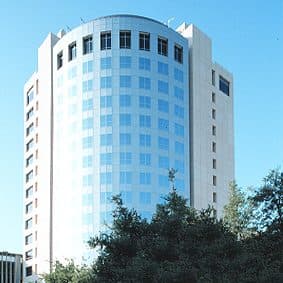
Baylor University Medical Center, part of Baylor Scott & White Health, is a major not-for-profit hospital located in Dallas, Texas, with 1,200 licensed beds and a strong presence in patient care, medical research, and training in North Texas. It is affiliated with the Texas A&M Health Science Center College of Medicine and serves as a flagship facility within a system that includes 52 hospitals and more than 1,300 access points across Texas. The hospital has a long history dating back to 1903 and has grown into one of the state’s largest and most recognized medical institutions. For pharmacy students or technicians considering career paths, Baylor Scott & White Health offers a broad spectrum of opportunities within its expansive healthcare network. The system employs over 49,000 individuals and supports professional development through education assistance programs such as tuition reimbursement, annual tuition options, and programs with no up-front costs. Employees receive comprehensive benefits that begin immediately, including medical, dental, vision, retirement plans, back-up childcare discounts, and mental health resources. Baylor Scott & White Health promotes an inclusive work environment and emphasizes personal and professional growth. Pharmacy professionals will find a culture that values innovation, collaboration, and service to the community. The organization’s mission to promote wellness through exemplary care, education, and research drives its operations and its commitment to employee support. With a reputation for excellence and a faith-based foundation, Baylor Scott & White offers pharmacy-related roles in a setting that encourages long-term career development and impactful work across a wide range of care settings.
Boston Medical Center
- Website: https://www.bmc.org/
- Employees: 9,100
- Headquarters: 850 Harrison Avenue, Boston, MA 02118
- Job board: https://careers.bmc.org/jobs/chc-pharmacist-outpatient-per-diem-dorchester-massachusetts-b4cd052e-587a-4bb1-92e5-b73b5207ae9a
- Glassdoor rating: 3.7
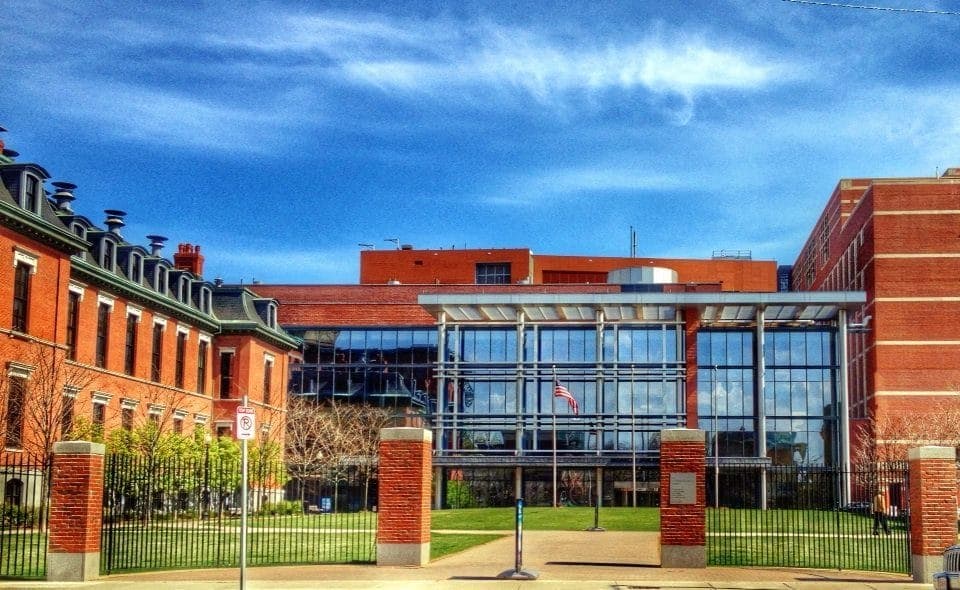
Boston Medical Center (BMC) is a 514-bed academic medical center and safety-net hospital located in Boston’s South End and serves as the principal teaching hospital for the Boston University Chobanian & Avedisian School of Medicine. It plays a central role in delivering healthcare to the Greater Boston area and is part of the Boston Medical Center Health System, which employs more than 15,000 individuals. BMC offers care in four primary care practices and over 70 specialties and subspecialties, making it a dynamic environment for pharmacists and pharmacy technicians to support patient care in both routine and complex clinical settings. BMC is a Level I Trauma Center with one of the busiest emergency departments in the country, which necessitates a highly responsive and well-staffed pharmacy team. The hospital emphasizes health equity and community partnership, and its healthcare model goes beyond traditional medicine to meet broader social and health needs. This mission-driven approach creates meaningful roles for pharmacy professionals working within interdisciplinary teams. The organization supports its employees with competitive benefits, including comprehensive medical, dental, and vision plans, significant prescription drug discounts at BMC pharmacies, and flexible spending accounts. Pharmacy staff benefit from employee wellness programs, financial planning resources, tuition reimbursement, and career development opportunities. BMC has also earned national recognition for its leadership in diversity, clinical excellence, environmental sustainability, and employee wellbeing, including Magnet designation from the American Nurses Credentialing Center. With its recent expansion to include Boston Medical Center – South and Boston Medical Center – Brighton, pharmacy professionals can find expanded opportunities to serve diverse patient populations across multiple campuses. BMC’s integrated approach to clinical care, research, and community health provides a robust and rewarding environment for those pursuing or advancing careers in pharmacy.
Brigham and Women's Hospital
- Website: https://www.brighamandwomens.org/
- Employees: 20,000
- Headquarters: 75 Francis Street, Boston, MA 02115
- Job board: https://www.brighamandwomens.org/about-bwh/careers/external-candidates-search-open-positions
- Glassdoor rating: 3.9
Brigham and Women’s Hospital (BWH), a 793-bed teaching affiliate of Harvard Medical School located in Boston, is recognized as a leading institution in patient care, biomedical research, and professional training. Formed in 1980 through the merger of three historic hospitals, BWH has grown to include over 150 outpatient practices and a medical staff of more than 1,200 physicians serving patients from across New England, the United States, and over 120 countries. For students pursuing pharmacy or pharmacy technician careers, BWH offers opportunities to join a respected healthcare team known for pioneering innovations and implementing nationally accepted safety practices like computerized physician order entry to reduce medication errors. Pharmacy professionals at BWH may find rewarding roles supporting a wide range of medical services while being part of a collaborative workplace that values interdisciplinary teamwork. The hospital supports ongoing education and career growth through generous tuition reimbursement for eligible employees, offering up to $3,000 annually for full-time staff and $2,000 for part-time staff pursuing degrees. Certification and continuing education support is also available. BWH promotes work-life balance with flexible schedules, extensive childcare programs, and wellness incentives such as discounted fitness memberships and access to an Employee Assistance Program. As a not-for-profit employer committed to diversity and equity, BWH encourages professional development through internal classes and resources, and its affiliation with Harvard Medical School offers a rich environment for learning. Competitive compensation, comprehensive health and dental plans, and a supportive culture make BWH a strong option for those interested in pursuing or advancing a pharmacy career in a world-class academic medical center.
BrightSpring Health Services
- Website: https://www.brightspringhealth.com/
- Employees: 37,000
- Headquarters: 805 N Whittington Pkwy, Louisville, Kentucky, 40222
- Job board: https://www.brightspringhealth.com/careers/
- Glassdoor rating: 3.4
BrightSpring Health Services, founded in 1974 and headquartered in Louisville, Kentucky, is a national leader in home and community-based healthcare, offering a wide range of services for people of all ages and abilities. With operations in all 50 states and a workforce of more than 37,000, BrightSpring supports over 400,000 individuals daily through clinical and nonclinical care, behavioral health, home health and hospice, neuro rehab, pharmacy services, job training, and telecare technologies. Backed by investment firm KKR since 2019, BrightSpring merged with PharMerica to expand its capabilities in pharmacy and complex care delivery. The company serves around 9,500 customer sites and is supported by 10,000 clinical providers and pharmacists, with over 1,000 accredited locations. BrightSpring’s Connected Home model focuses on integrated care and outcomes-driven innovation. Its services consistently lower hospitalizations, reduce healthcare costs, and improve patient independence and functionality. Through technology, workforce investment, and a values-driven culture centered on leadership, attitude, communication, and collaboration, BrightSpring continues to improve lives and support communities across the country.
CAPS Pharmacy
- Website: https://www.capspharmacy.com/en.html
- Employees: 800
- Headquarters: 6580 Snowdrift Road, Suite 100 Allentown, PA, 18106
- Job board: https://www.capspharmacy.com/en/company/careers.html
- Glassdoor rating: 2.4
Central Admixture Pharmacy Services, Inc. (CAPS), founded in 1991, operates the largest network of outsourcing admixture pharmacies in the United States. Headquartered in the U.S., CAPS provides compounded sterile preparations (CSPs) to hospitals and outpatient facilities nationwide from 23 pharmacy locations. Each CAPS facility is licensed by state authorities and registered with the FDA, offering both custom and standardized admixture services, including parenteral nutrition, pre-filled anesthesia syringes, cardioplegia, and standardized drug delivery. Pharmacists and certified pharmacy technicians play key roles in CAPS operations, with pharmacists managing each site and overseeing teams trained on standardized procedures. CAPS facilities operate year-round, with services that include daily dispensing and delivery of patient-specific and non-patient-specific CSPs. CAPSLink™, the company's proprietary web-based ordering system, integrates with pharmacy management software, streamlining order review and preparation. Pharmacy staff use automated and barcoded manual systems to ensure ingredient accuracy and product safety. A dedicated quality assurance team of chemists and microbiologists monitors environmental conditions and conducts regular validations, separate from production teams, with quarterly reports provided to clients. CAPS helps client pharmacies reduce waste, manage drug shortages, reallocate labor, and control supply costs. For pharmacy students or aspiring technicians, CAPS represents a strong employer offering structured roles in sterile compounding and pharmacy operations, along with a workplace culture grounded in trust, accountability, and diversity.
Cardinal Health
- Website: https://www.cardinalhealth.com/en.html
- Employees: 48,000
- Headquarters: 7000 Cardinal Place, Dublin, OH 43017.
- Job board: https://jobs.cardinalhealth.com/search/searchjobs
- Glassdoor rating: 3.6
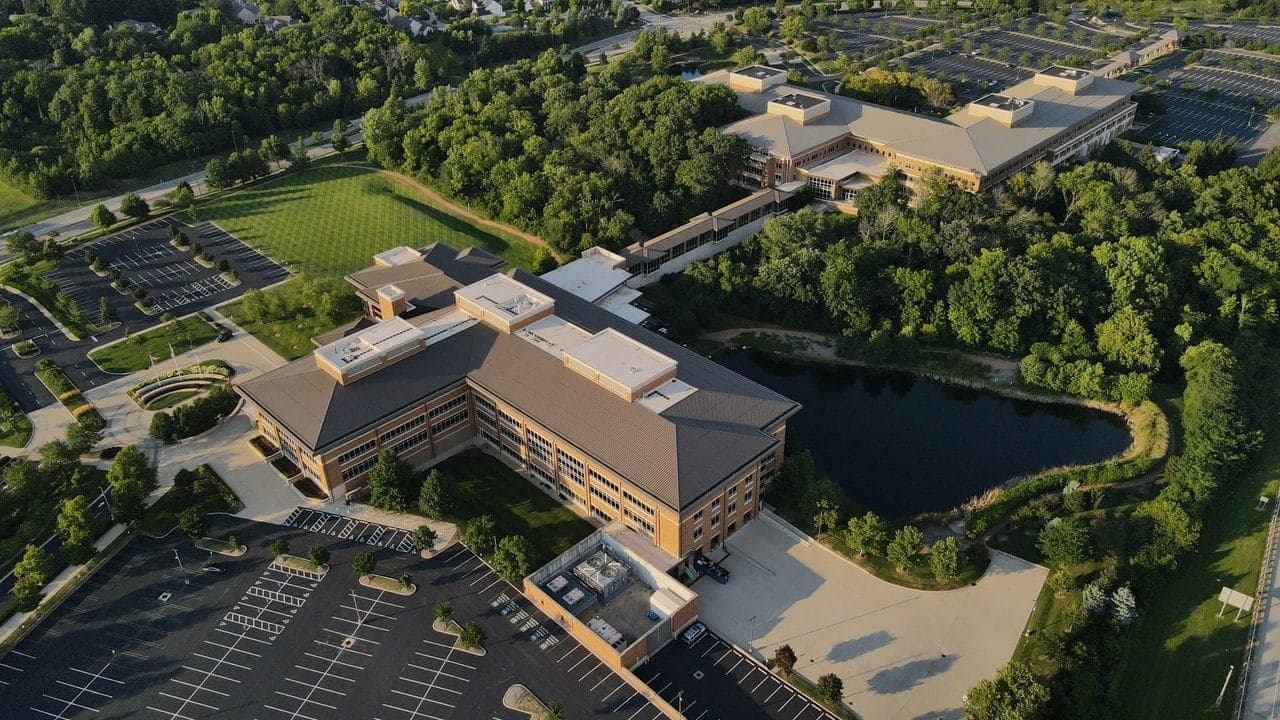
Cardinal Health is a multinational healthcare services and products company headquartered in Dublin, Ohio, with operations spanning over 30 countries. Established in 1971 as Cardinal Foods, it transitioned into pharmaceutical distribution in 1979 and now serves more than 100,000 locations globally. The company employs approximately 48,900 people as of 2024 and is publicly traded on the New York Stock Exchange under the ticker symbol CAH. Cardinal Health generates significant annual revenue, reaching $226.8 billion in 2024, making it one of the top revenue-generating firms in the United States. Under the leadership of CEO Jason Hollar, the company focuses on the distribution of pharmaceuticals, manufacturing of medical and surgical products, and providing data and performance solutions for healthcare systems. It also operates one of the largest radiopharmacy networks in the country. Cardinal Health plays a vital role in supporting pharmacists and pharmacy technicians, especially in its hospital pharmacy services and retail pharmacy operations, including its past ownership of Medicine Shoppe International and the acquisition of numerous pharmacy-related businesses. While the company is viewed as an essential link in the healthcare supply chain, its reputation has faced challenges, particularly due to its involvement in legal settlements related to the U.S. opioid crisis. Cardinal Health has agreed to multi-billion dollar settlements over several years without admitting wrongdoing. Despite these controversies, it maintains a strong presence in hospital and retail pharmacy support, offering expansive opportunities for those seeking pharmacy-related careers. The company has also invested significantly in philanthropic efforts through the Cardinal Health Foundation, supporting community health and safety initiatives. Its vast scale, global footprint, and integration in pharmaceutical logistics and medical supply make it a notable employer and partner for pharmacy professionals looking to contribute to healthcare delivery and operational improvements.
CenterWell Home
- Website: https://www.centerwellhomehealth.com/
- Employees: 43,000
- Headquarters: 3350 Riverwood Pkwy #1400. Atlanta, GA 30339
- Job board: https://www.centerwellhomehealth.com/careers/
- Glassdoor rating: 3.5
CentraCare - St. Cloud Hospital
- Website: https://www.centracare.com/locations/profile/st-cloud-hospital/
- Employees: 6,470
- Headquarters: St. Cloud, Minnesota, at 1406 Sixth Avenue North
- Job board: https://jobs.centracare.com/us/en/search-results?utm_source=paid&utm_medium=googlead&utm_campaign=wearehiringcampaign2025&https://jobs.centracare.com/us/en/search-results?utm_source=paid&utm_medium=googlead&utm_campaign=wearehiringcampaign2025&gad_source=1&gad_campaignid=22565470943&gbraid=0AAAAADjH4dIc29PwCl-IFtTKHoKCmQZYS&gclid=Cj0KCQjwgIXCBhDBARIsAELC9Zh6LCA9cEFogE6W0pY_g_IDNq6vHzET00uCmcSavR1D75eTjaZJ0oMaAnsgEALw_wcB
- Glassdoor rating: 3.7
CentraCare is a nonprofit, integrated health care system in Central Minnesota that includes six hospitals, 18 clinics, seven senior care facilities, and four pharmacies. With over 12,300 staff and more than 1,500 volunteers as of 2021, CentraCare delivers a wide range of inpatient and outpatient services to the region. The system’s flagship, St. Cloud Hospital, employs more than 4,900 staff and 450 physicians and is recognized nationally for excellence in care, including a fifth Magnet redesignation for nursing. CentraCare operates pharmacies that contribute to medication management, clinical support, and patient care across its facilities. Pharmacy technicians and pharmacists serve in both hospital pharmacy settings and community-based services, supporting specialties such as cardiology, oncology, behavioral health, and chronic disease management. CentraCare emphasizes professional development and employee support through tuition reimbursement, scholarship programs, and a wellness initiative with incentives. Benefits also include competitive health plans, dental coverage, defined contribution retirement options, and employer-matched 401(k) plans. CentraCare has been repeatedly named a “Best Place to Work” in the large employer category by the Minneapolis/St. Paul Business Journal. Recognized for achievements in cardiovascular care and ranked among the Truven 100 Top Hospitals, CentraCare combines advanced medical technology with a strong emphasis on compassionate care. These characteristics make it a relevant employer for aspiring pharmacy professionals seeking careers in a collaborative and community-focused health system.
Central Health
- Website: https://www.centralhealth.net/
- Employees: 3,300
- Headquarters: 1111 East Cesar Chavez St, Austin, TX 78702, USA
- Job board: https://www.centralhealth.net/about-central-health/careers/
- Glassdoor rating: 4.1
Central Health is the public hospital district serving Travis County, Texas. It was established in 2004 through a voter-approved initiative to ensure equitable access to health care for low-income residents. Headquartered in Austin, Central Health operates in coordination with CommUnityCare Health Centers and Sendero Health Plans, forming a comprehensive system dedicated to dignity, compassion, and transparency. In fiscal year 2023, the system served over 155,000 individuals, representing about one in nine county residents, through a network of 247 provider locations. This network delivered more than 612,000 primary care visits and expanded by 12 percent during the year, adding new services including opioid treatment and specialty care. Central Health partners with organizations such as Dell Medical School, Integral Care, and the Health Alliance for Austin Musicians to address both clinical and social determinants of health. Its 2022 Healthcare Equity Plan outlines four strategic priorities: access and capacity, care coordination, member engagement, and system of care. The organization emphasizes fiscal responsibility to Travis County taxpayers, who fund most of its operations. It also promotes equity and inclusion through programs like the Health Equity Policy Council and Community Health Champions. Central Health’s ownership of key facilities, including its role in the transition from Brackenridge Hospital to Dell Seton Medical Center, highlights its ongoing commitment to improving health outcomes in the region.
CHRISTUS Health
- Website: https://www.christushealth.org/
- Employees: 50,000
- Headquarters: Irving, Texas, United States
- Job board: https://careers.christushealth.org/job-search
- Glassdoor rating: 3.5
CHRISTUS Health is a Catholic not-for-profit health care system headquartered in Irving, Texas, serving communities across the U.S. and Latin America. Formed in 1999 through the merger of the Sisters of Charity Health Care System and the Incarnate Word Health System, its roots date back to 1866 with the founding of St. Mary’s Hospital in Galveston. Today, CHRISTUS operates nearly 350 services and facilities, including over 60 hospitals and long-term care centers, and 175 clinics and outpatient sites. It has a workforce of about 50,000 Associates and more than 15,000 physicians across Texas, Louisiana, New Mexico, Arkansas, and internationally in Mexico, Colombia, and Chile. CHRISTUS Health is sponsored by the Sisters of Charity of the Incarnate Word and the Sisters of the Holy Family of Nazareth and guided by a mission to extend the healing ministry of Jesus Christ, especially to the underserved. Its approach combines medical care with community outreach to address social determinants of health and promote equity. The system emphasizes values such as dignity, integrity, excellence, stewardship, and compassion in all interactions. CHRISTUS Health was recognized in 2015 by the Palladium Balanced Scorecard Hall of Fame for Executing Strategy, reflecting its commitment to innovation and strategic impact. The name “CHRISTUS,” derived from the Latin for “Christ,” reflects its faith-based mission to embody healing and service. With its growing network and emphasis on wellness and advocacy, CHRISTUS continues to expand its reach while staying grounded in its spiritual and service-oriented roots.
Christus Health System

- Website: https://www.christushealth.org/
- Employees: 50,000
- Headquarters: 5101 North O'Connor Blvd Irving, TX 75038
- Job board: https://careers.christushealth.org/career-areas/pharmacy-jobs
- Glassdoor rating: 3.5
CHRISTUS Health is an international Catholic nonprofit health system based in Irving, Texas, providing services in over 60 cities across Texas, Arkansas, Louisiana, and New Mexico, as well as in Chile, Colombia, and Mexico. Formed in 1999 through the merger of the Sisters of Charity Health Care System and the Incarnate Word Health System, its roots trace back to 1866 with the founding of St. Mary’s Hospital in Galveston. CHRISTUS Health comprises nearly 350 services and facilities, including more than 60 hospitals, long-term care facilities, and approximately 175 clinics and outpatient centers. The system employs about 30,000 people and includes over 9,500 physicians and 50,000 associates in total. With its mission rooted in Catholic values and sponsorship by the Sisters of Charity of the Incarnate Word and the Sisters of the Holy Family of Nazareth, CHRISTUS Health emphasizes compassionate, high-quality care across its ministries. For pharmacy students and aspiring pharmacy technicians, CHRISTUS Health offers clinical and non-clinical career paths in a large and diverse healthcare setting. Opportunities may exist in a range of practice environments such as hospitals, long-term care, and outpatient centers, offering exposure to collaborative, patient-centered care. The system's presence in both the U.S. and Latin America provides a broad platform for professionals seeking to work in bilingual or international healthcare contexts. CHRISTUS Health has been recognized for its strategic excellence by being named to the Palladium Balanced Scorecard Hall of Fame in 2015. Its continual expansion into new communities brings added services and physicians, making it a growing employer of healthcare professionals, including pharmacists and pharmacy technicians committed to extending the healing ministry of Jesus Christ.
Cleveland Clinic

- Website: https://my.clevelandclinic.org/
- Employees: 82,000
- Headquarters: 9500 Euclid Avenue, Cleveland, Ohio 44195
- Job board: https://jobs.clevelandclinic.org/pharmacy/
- Glassdoor rating: 3.6
Cleveland Clinic, founded in 1921, is a leading nonprofit academic medical center that has grown into a global healthcare system with over 65,000 caregivers across more than 200 locations, including facilities in Florida, Nevada, Canada, Abu Dhabi, and London. Its main campus in Cleveland covers 170 acres and serves as a hub for advanced medical care, education, and research. The system sees approximately 16 million patient visits each year and employs over 82,000 people. Cleveland Clinic is affiliated with Case Western Reserve University and manages the Cleveland Clinic Lerner College of Medicine, while also supporting osteopathic and podiatric medical training programs with nearly 2,000 residents and fellows across over 100 accredited programs. Compensation at Cleveland Clinic includes market-aligned salaries, merit-based increases, and a range of financial benefits such as student loan repayment assistance up to 15,750 dollars for eligible roles, tuition reimbursement, and relocation support up to 10,000 dollars. The organization promotes professional growth through structured career paths, mentorship, coaching, and internal education programs. It recognizes employee contributions through performance rewards and peer recognition initiatives. Employee well-being is supported by access to fitness centers, wellness groups, spiritual care, and an Employee Assistance Program. Benefits also include paid time off for vacations and personal needs, financial assistance for adoptions, and resources for employees experiencing hardship. While the data does not specifically list pharmacy or pharmacy technician roles, the organization's vast scale, clinical complexity, and workforce size indicate the presence of opportunities for those interested in pharmacy-related careers within its hospitals, outpatient centers, and research facilities. Cleveland Clinic consistently earns top national and global rankings, particularly in cardiology and heart surgery, reinforcing its role as a major employer in healthcare and medical innovation.
Cox Health
- Website: https://www.coxhealth.com/
- Employees: 14,000
- Headquarters: 3801 South National Avenue, Springfield, MO 65807
- Job board: https://www.coxhealth.com/careers/
- Glassdoor rating: 3.9
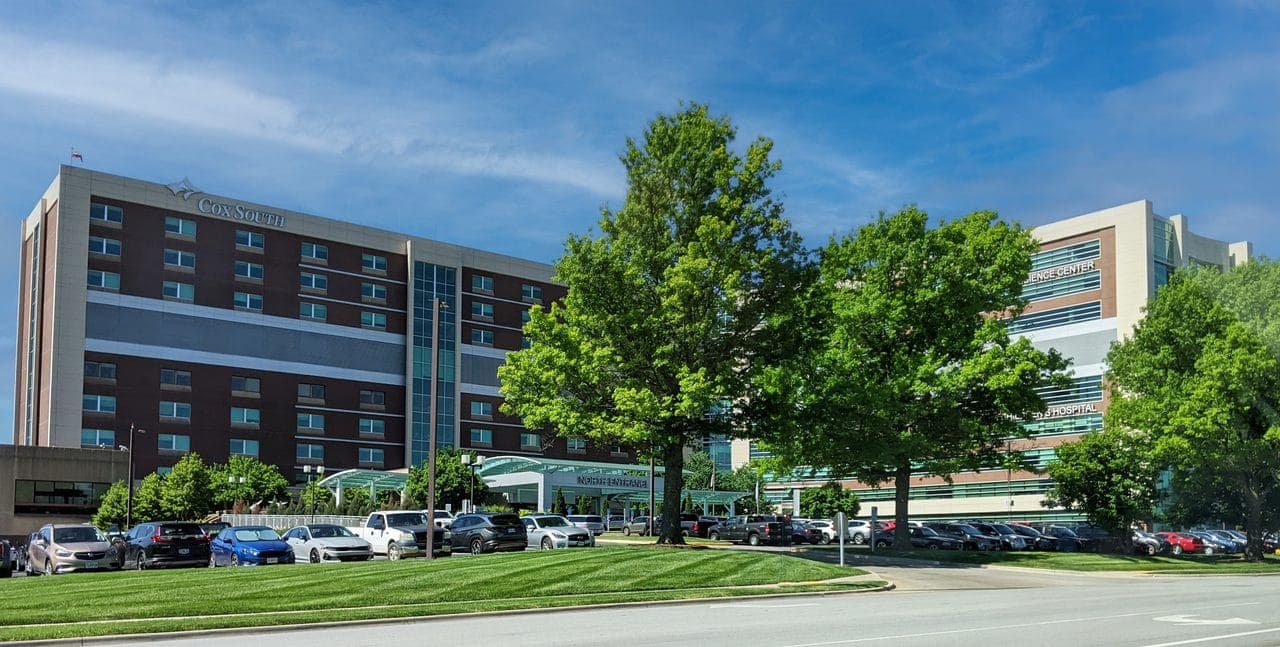
CoxHealth is a not-for-profit healthcare system based in Springfield, Missouri, and serves a 25-county region across southwest Missouri and northwest Arkansas. With six hospitals, more than 80 clinics, five emergency rooms, and over 13,000 employees, CoxHealth offers a wide range of career opportunities for pharmacy professionals across various care settings. Pharmacy technicians and pharmacists may find roles in hospital-based services, outpatient care, and specialized centers such as the Hulston Cancer Center, Wheeler Heart and Vascular Center, and CoxHealth Surgery Center. The system also operates Cox HealthPlans, which supports over 45,000 members and may offer roles tied to formulary management and medication-related benefit design. CoxHealth emphasizes employee retention and professional development through resources like clinical ladders, internal transfers, shared leadership councils, and an annual opinion survey that informs workplace improvements. Employees are supported with comprehensive health benefits, retirement savings with a matching 403(b) plan, paid disability and life insurance, and flexible spending accounts. Additional offerings include a maternity co-pay benefit, an employee assistance program, and voluntary insurance options like accident and critical care coverage. Recognition programs such as the DAISY Award for nurses, the PARTNERS Spirit award, and the Choice Rewards system reinforce a culture of appreciation. For pharmacy professionals seeking to make an impact in a large, integrated healthcare system, CoxHealth presents opportunities in both clinical and administrative pharmacy roles, with support for long-term career development and community-focused service.
Creighton University
- Website: https://www.creighton.edu/
- Employees: 3,100
- Headquarters: 2500 California Plz, Omaha, NE 68178, United States
- Job board: https://www.creighton.edu/administration/human-resources/careers
- Glassdoor rating: 4.2
Creighton University is a private Jesuit research institution based in Omaha, Nebraska, with an additional health sciences campus in Phoenix, Arizona. Founded in 1878, it enrolls more than 8,500 students and employs over 2,250 faculty and staff. The university operates the Creighton University Medical Center and houses a School of Pharmacy and Health Professions, positioning it as a potential employer for pharmacists and pharmacy technicians. Classified as an R2: Doctoral University with high research activity, Creighton supports a range of healthcare disciplines, including pharmacy, nursing, medicine, and dentistry. The university emphasizes Jesuit values of service, inclusion, and social justice in both its academic and workplace environments. Employees have access to benefits such as tuition remission for dependents, generous leave policies, on-campus wellness programs, and opportunities for professional and spiritual development. The institution fosters a supportive and inclusive culture that reflects its Ignatian heritage, offering a balanced work environment focused on employee well-being. Creighton’s network includes over 68,000 alumni across 93 countries, contributing to its professional reach and reputation. Campus safety is prioritized through clearly defined security measures and the publication of an annual safety report. With a focus on healthcare education and community impact, Creighton University presents a stable and values-driven employment option for those pursuing pharmacy-related careers in academic medical settings.
CVS Health
- Website: https://www.cvshealth.com/
- Employees: 300,000
- Headquarters: 1 CVS Drive. Woonsocket, RI 02895
- Job board: https://jobs.cvshealth.com/us/en/Pharmacy-jobs
- Glassdoor rating: 3.2
CVS Health Corporation, founded in 1963 in Lowell, Massachusetts, is one of the largest healthcare companies in the world, second only to UnitedHealth Group. Originally named Consumer Value Stores, it operates CVS Pharmacy (over 9,600 locations), CVS Caremark (pharmacy benefit management), and Aetna (health insurance), along with subsidiaries such as MinuteClinic, Coram, Omnicare, and Oak Street Health. Headquartered in Woonsocket, Rhode Island, it employs around 300,000 people. CVS has expanded aggressively through acquisitions, including Caremark in 2007 and Aetna in 2018, and has diversified its healthcare offerings through home health services like Signify Health and in-store clinics such as MinuteClinic and HealthHUBs. Its retail media network, CVS Media Exchange, and its private-label product lines have broadened its consumer reach. While it has made strides in areas like community health and tobacco cessation, CVS has also faced a range of controversies involving prescription errors, deceptive business practices, privacy violations, opioid-related lawsuits, and a 2023 IVF medication error. Despite these challenges, the company remains a major force in U.S. healthcare, reporting 2024 revenues of $372.8 billion, $253.2 billion in assets, and declining net income and equity. Karen Lynch serves as president and chief executive officer.
DCH Health System
- Website: https://www.dchsystem.com/
- Employees: 4,730
- Headquarters: 809 University Blvd E, Tuscaloosa, AL 35401, USA
- Job board: https://www.dchsystem.com/careers/dch-employee-resources/career-resources/pharmacy-careers/
- Glassdoor rating: 3.5
Based in Tuscaloosa, Alabama, DCH Health System has served West Alabama for over a century with a network that includes DCH Regional Medical Center, Northport Medical Center, and Fayette Medical Center. These hospitals offer a wide range of services including cancer treatment, critical and cardiac care, bloodless medicine, sleep and occupational medicine, therapy services, women's health, and more. DCH Regional Medical Center, with 583 beds, is the largest facility in the system and features specialty units for cancer, cardiology, trauma, and advanced surgeries such as robotic procedures. Northport Medical Center, a 204-bed hospital, provides inpatient and outpatient care and houses both a rehabilitation pavilion and mental health services through the North Harbor Pavilion. Fayette Medical Center is a 61-bed rural hospital offering diagnostic and surgical services and includes a 122-bed skilled nursing facility. Pharmacists and pharmacy technicians may find career opportunities across this system, particularly in specialized hospital departments such as oncology, surgery, rehabilitation, and long-term care. The DCH Health System is deeply involved in the community through health fairs, screenings, education programs, and volunteer support for national health organizations. It also provides medical care for underserved populations, allocating a portion of local sales tax to fund services for indigent patients. Employees are encouraged to take part in outreach programs and educational initiatives such as Adopt-A-School, reinforcing DCH’s mission to improve the health of its patients and community. The system's commitment to compassionate, accountable, respectful, and engaged care makes it a strong employer for pharmacy professionals interested in serving diverse populations in both urban and rural settings.
Drake University
- Website: https://www.drake.edu/
- Employees: 1,910
- Headquarters: 2507 University Ave, Des Moines, IA 50311, United States
- Job board: https://www.drake.edu/doce/programs/mac/?gad_source=1&gad_campaignid=22556546056&gbraid=0AAAAA_e9ayxnF6MI_RFb_N590wi_eets3&gclid=Cj0KCQjwgIXCBhDBARIsAELC9ZhMhE1YGCuVPUFQ--nudrjkfe4HPclUIl5-TcV_G51jpHMsZTisKPAaArpEEALw_wcB
- Glassdoor rating: 3.6
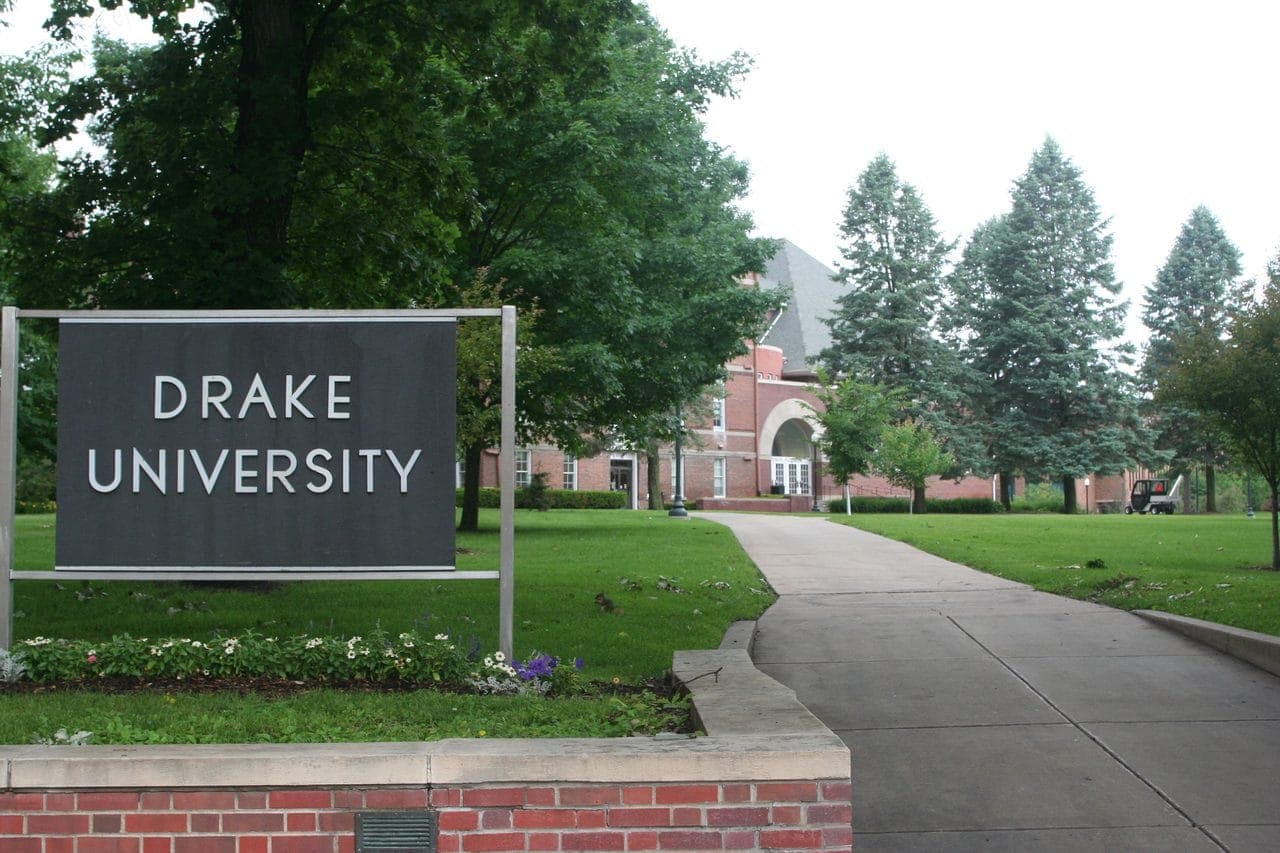
Drake University, based in Des Moines, Iowa, is a private institution known for its College of Pharmacy and Health Sciences, which plays a key role in preparing students for careers in health care, including positions such as pharmacists, pharmacy technicians, health educators, and physical therapists. The university offers more than 140 undergraduate, graduate, and professional programs, combining the academic resources of a larger institution with the personal attention of smaller class sizes. Students interested in pharmacy-related careers benefit from opportunities such as internships, research with professors, clinical rotations, and fellowships. Drake also provides comprehensive career services, including help with setting career goals, assessing interests, preparing resumes and cover letters, and participating in mock interviews and interview coaching. These services support students in gaining hands-on experience in their chosen fields and exploring post-baccalaureate study options. The College of Pharmacy and Health Sciences offers dedicated career development assistance, helping students pursue roles in various healthcare settings. Nearly 99 percent of Drake bachelor's degree recipients from the 2017 to 2018 academic year secured employment or enrolled in graduate school within six months of graduation. The university has a strong reputation in the Midwest and a longstanding commitment to student success. Although specific employer names are not listed, the structure of the pharmacy program and the emphasis on experiential learning suggest that Drake students are well-prepared to enter health care roles upon graduation. The institution's career support and professional preparation make it a viable option for aspiring students interested in pharmacy and related fields.
Duke University Health System
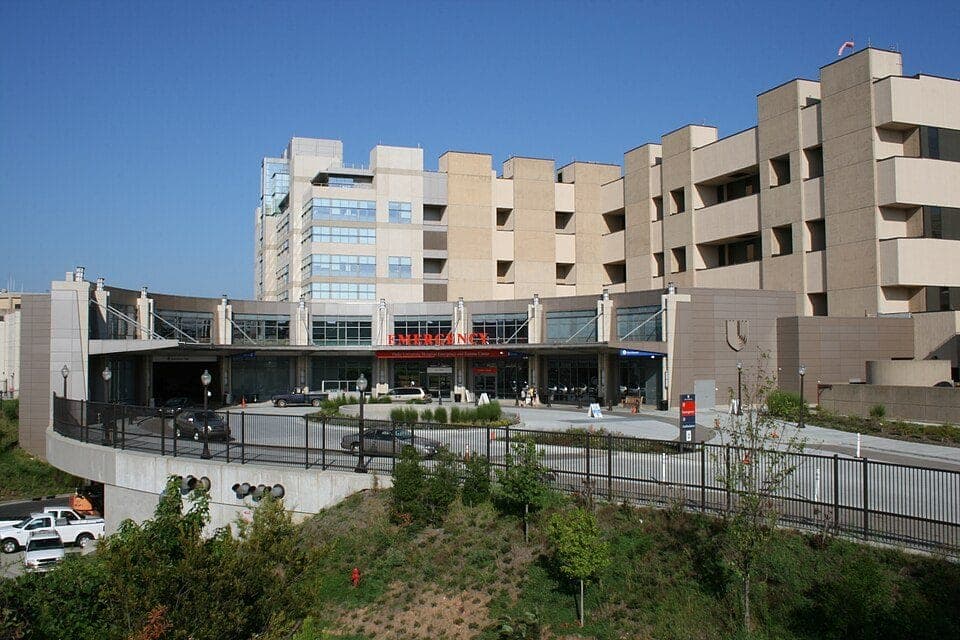
- Website: https://www.dukehealth.org/
- Employees: 26,278
- Headquarters: 2301 Erwin Road, Durham, NC 27710, United States
- Job board: https://careers.dukehealth.org/us/en/job/DUHDUHUS257352EXTERNALENUS/Pharmacy-Technician-I-II-OR-Pharmacies-16-hours-week
- Glassdoor rating: 3.8
Duke Health is a private, not-for-profit academic health system headquartered in Durham, North Carolina, comprising the Duke University Health System, Duke University School of Medicine, Duke-NUS Medical School, Duke University School of Nursing, and Duke Health Integrated Practice. With a workforce of over 26,000 employees, the system includes major facilities such as Duke University Hospital with 1,082 inpatient beds, Duke Regional Hospital, Duke Raleigh Hospital, and the recently acquired Duke Health Lake Norman Hospital. Duke Health is internationally recognized for medical innovation, cutting-edge research, and advanced patient care. It has consistently ranked among the top healthcare organizations in the U.S. since its founding in 1930, backed by a $4 million bequest from James B. Duke. Its hospitals offer comprehensive services including trauma care, surgery, pediatric care, and numerous specialty centers like the Duke Cancer Institute and Duke Clinical Research Institute. The organization supports over 100 medical training programs and maintains a strong commitment to global health through the Duke Global Health Institute. Under the leadership of CEO Craig T. Albanese, Duke Health earned $49.6 million in net income and $57.6 million in operating income in 2023. The system fosters an inclusive and innovative work environment, making it one of the most respected employers in the Raleigh-Durham region. Known for its academic excellence and history of medical breakthroughs, Duke Health attracts top-tier medical talent and offers residency and fellowship opportunities to both U.S. and international graduates. Its community reputation remains strong, bolstered by a mission focused on advancing health together and eliminating healthcare disparities. Duke Health’s wide-ranging impact reflects its dedication to education, compassionate care, and pioneering research across North Carolina and beyond.
Duquesne University

- Website: https://www.duq.edu/
- Employees: 3,252
- Headquarters: 600 Forbes Avenue, Pittsburgh, PA 15282.
- Job board: https://www.duq.edu/work-at-du/careers.php
- Glassdoor rating: 3.8
Duquesne University, a private Catholic research institution located in Pittsburgh, Pennsylvania, was founded in 1878 and is home to over 9,300 undergraduate and graduate students. With ten academic schools and a strong emphasis on health sciences, Duquesne is positioned as a potential employer for pharmacists and pharmacy technicians. The university has earned national recognition for its nursing and health sciences programs, with high rankings for its BSN, Master’s, and online nursing education programs. It was the first university in Pennsylvania to grant a BSN and the first in the U.S. to offer an online Ph.D. in nursing. Duquesne's long-standing commitment to healthcare education is reflected in its 100% first-time pass rate on the 2024 NCLEX-RN exam, indicating a rigorous and supportive academic environment. The School of Nursing and other health-related departments contribute to the university’s classification as an R2 research institution, suggesting opportunities in academic pharmacy, clinical training, and healthcare support services. The university offers a wide range of employee benefits including comprehensive medical plans, retirement matching, tuition benefits, and wellness programs, making it a competitive workplace. Family-friendly policies, such as paid parental leave, flexible scheduling, and remote work options for eligible roles, support a balanced work-life environment. Duquesne employs faculty and staff across academic, research, administrative, and clinical functions, cultivating a community-centered culture rooted in its Spiritan Catholic mission. With more than 93,000 alumni and a diverse workforce, the university fosters a collaborative setting that values excellence, service, and inclusion, providing meaningful career opportunities for those interested in pharmacy and allied health professions.
ECU Health
- Website: https://www.ecuhealth.org/
- Employees: 14,000
- Headquarters: 2100 Stantonsburg Road, Greenville, NC 27834
- Job board: https://careers.ecuhealth.org/jobs/15632183-pharmacist-i-operations
- Glassdoor rating: 3.7
ECU Health, formerly Vidant Health, is a not-for-profit health system headquartered in Eastern North Carolina, serving more than 1.4 million residents across 29 counties. The system includes nine hospitals and over 12,000 employees, making it the largest private employer in the region. For aspiring pharmacists and pharmacy technicians, ECU Health offers opportunities within its expansive network of facilities, including the flagship ECU Health Medical Center in Greenville, a level I trauma center and teaching hospital for the Brody School of Medicine at East Carolina University. Pharmacy-related roles are supported through integrated services such as prescription drug coverage, low-cost over-the-counter medications via an Employee Pharmacy, and medical benefits across multiple care levels. Specialty care centers, such as those for cancer, cardiovascular health, and pediatrics, along with wellness centers and outpatient facilities, broaden the potential for pharmacy professionals to engage in a range of practice settings. ECU Health emphasizes professional development through mentorship, tuition reimbursement for full and part-time team members, and certification bonuses, particularly valuable for pharmacy staff seeking continued advancement. The system’s commitment to quality is evidenced by all nine hospitals receiving The Gold Seal of Approval from The Joint Commission. Additional support services, such as EastCare air and ground transport, allow pharmacists and technicians to contribute to emergency and critical care delivery. Overall, ECU Health presents a diverse and mission-driven work environment where pharmacy professionals can contribute to community-centered care while benefiting from resources designed to support career growth and personal well-being.
Elevance Health
- Website: https://www.elevancehealth.com/
- Employees: 104,900
- Headquarters: 220 Virginia Avenue, Indianapolis, Indiana 46204.
- Job board: https://careers.elevancehealth.com/jobs
- Glassdoor rating: 3.4
Elevance Health, Inc., formerly Anthem, Inc., is one of the largest for-profit health insurance providers in the United States, serving over 118 million people through a broad portfolio of subsidiaries, including Anthem Blue Cross and Blue Shield, Wellpoint, and Carelon. Founded in 1946 and rebranded in 2022, the company has expanded rapidly through acquisitions of major Blue Cross Blue Shield affiliates and healthcare services firms like Amerigroup, CareMore, and Beacon Health Options. Elevance emphasizes a “whole-health” approach that integrates physical, behavioral, and social care, supported by advanced data analytics and digital tools. Under the leadership of CEO Gail Boudreaux, the company has made equity, personalized care, and digital transformation central to its mission. While Elevance has earned recognition for sustainability efforts and workplace inclusion, it has also drawn criticism over the years. Notable issues have included policy cancellations for critically ill members, steep premium hikes, and data security breaches, with investigations and legal actions arising from some of these practices. Consumer advocates and regulators have also raised concerns about the company’s lobbying efforts and approach to healthcare reform. Still, Elevance remains a dominant player in the managed care space and continues to invest in reshaping the healthcare system around whole-person, community-rooted care.
Emory University Hospital

- Website: https://www.emoryhealthcare.org/
- Employees: 24,000
- Headquarters: 1364 Clifton Road NE, Atlanta, GA 30322
- Job board: https://ehccareers-emory.icims.com/jobs/search?searchKeyword=Pharma&ss=1&searchRelation=keyword_all&mobile=false&width=903&height=500&bga=true&needsRedirect=false&jan1offset=480&jun1offset=480
- Glassdoor rating: 3.7
Emory University Hospital, located in Atlanta, Georgia, is an 853-bed facility affiliated with the Emory University School of Medicine and staffed exclusively by its faculty. Established in 1904 as Wesley Memorial Hospital, it relocated to the Emory University campus in 1922 through a donation from Asa G. Candler, founder of The Coca-Cola Company, and was later renamed. The hospital specializes in acute adult care with particular strengths in cardiology, oncology, neurosciences, ophthalmology, and organ transplantation. It handles over 23,000 admissions annually and conducts thousands of inpatient and outpatient procedures. Emory gained national attention in 2014 for successfully treating Ebola patients in its specialized isolation unit. Recognized regularly by U.S. News & World Report among the top hospitals in various specialties, it is also accredited by the Joint Commission and CARF. As a teaching hospital, it provides a robust environment for healthcare professionals, including pharmacists and pharmacy technicians, who work closely with multidisciplinary teams in research-informed care. Emory Healthcare, the parent system, offers extensive employee benefits such as competitive pay, paid time off, medical and mental health coverage, student loan repayment, retirement plans, tuition reimbursement, and career advancement opportunities. The workplace culture promotes well-being, diversity, and personal growth, positioning it as a desirable employer for pharmacy professionals seeking long-term development. The hospital’s commitment to excellence and innovation in both patient care and employee support makes it a leading institution for those looking to combine clinical practice with academic engagement. With a strong infrastructure and an emphasis on compassionate, patient-centered service, Emory University Hospital provides an enriching setting for pharmacy staff to contribute meaningfully while continuing to grow in their careers.
Endeavor Health
- Website: https://www.endeavorhealth.org/
- Employees: 27,000
- Headquarters: 1301 Central St, Evanston, IL 60201, USA
- Job board: https://nshs.wd1.myworkdayjobs.com/ns-eeh?q=pharmacy
- Glassdoor rating: 3.2
Endeavor Health, formed from the unification of NorthShore University HealthSystem, Swedish Hospital, Northwest Community Healthcare, and Edward-Elmhurst Health, is now Illinois’ third-largest health system. It employs over 27,000 team members across nine community-based hospitals and more than 300 care locations throughout Chicagoland, including Chicago and its northern and western suburbs. With a wide network of hospitals and clinics, Endeavor Health offers diverse career opportunities in both inpatient and outpatient settings. The organization includes five clinical institutes and provides care across a broad spectrum of medical specialties. Pharmacy technicians and pharmacists can find opportunities within Endeavor Health’s hospital-based pharmacies, outpatient clinics, or specialized institutes, supporting medication management, patient safety, and clinical services. The health system emphasizes professional growth, offering tuition reimbursement, public service loan forgiveness support, and access to LinkedIn Learning. Endeavor Health supports work-life balance and financial well-being through medical and prescription plans, dental and vision insurance, a 401(k) retirement savings plan, and additional benefits such as adoption assistance, paid time off, and identity theft protection. It also provides wellness programs and on-site fitness centers to support overall health. Endeavor Health is committed to diversity, equity, and inclusion, promoting an environment of fairness, dignity, and mutual respect. It fosters inclusive hiring practices and offers ongoing development programs that encourage career advancement and a collaborative workplace culture. Students exploring pharmacy or pharmacy technician careers will find Endeavor Health to be a large and supportive system offering a wide range of roles and settings in which to grow professionally while contributing to patient care across the region.
Fagron Compounding Pharmacies
- Website: https://fagron.com/
- Employees: 3,700
- Headquarters: 201 W. 5th Street, Suite 1250, Austin, TX 78701, USA.
- Job board: https://fagron.jobsmarket.site/pages/en-gb/jobs?searchCriteria[0][key]=keywords&searchCriteria[0][values][]=pharmacist
- Glassdoor rating: 3.4
Fagron is a global leader in pharmaceutical compounding and sterile outsourcing services, offering customized medication solutions to meet individual patient needs. Founded in the Netherlands in 1990, Fagron operates in over 30 countries across Europe, the Americas, and Asia-Pacific, with a network of more than 80 locations and over 4,100 employees. Its services support hospitals, pharmacies, prescribers, and the broader healthcare industry by enabling the creation of medications that may not be available commercially, whether due to unique dosage requirements, allergies, or discontinued drug formulations. With over 450 pharmacists, Fagron emphasizes quality, safety, and innovation in all aspects of its operations. Career opportunities at Fagron span a wide range of roles, including formulation, compounding, business development, logistics, and regulatory support. The company fosters an entrepreneurial, fast-paced culture that values autonomy, collaboration, and personal development. Its “Fagron Feel Good” program promotes mental, physical, and social wellbeing, while its global team benefits from a competitive compensation package, hybrid work options, and strong internal growth opportunities. Fagron also invests in research and development and maintains sterile and non-sterile compounding facilities in several countries, including the Netherlands, the United States, Belgium, and South Africa. For pharmacy professionals and technicians looking to work in a dynamic, international environment that centers on personalizing medicine, Fagron presents a compelling and mission-driven workplace.
Froedtert Hospital
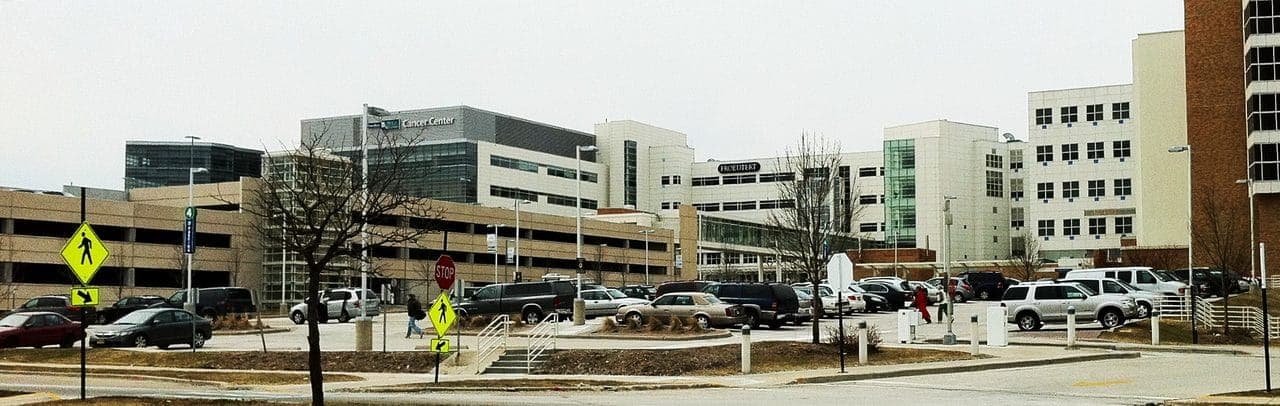
- Website: https://www.froedtert.com/locations/hospital/froedtert-hospital
- Employees: 22,000
- Headquarters: 900 N. 92nd St, Milwaukee, Wisconsin
- Job board: https://jobs.froedtert.com/
- Glassdoor rating: 3.7
Froedtert Hospital in Wauwatosa, Wisconsin, is a prominent teaching hospital and Level I adult trauma center that partners closely with the Medical College of Wisconsin. The hospital plays a central role in training pharmacy professionals through its academic affiliation and its large, diverse medical network. Froedtert offers services in key clinical areas including organ transplantation and stroke care, with nationally ranked specialties in endocrinology, nephrology, and respiratory disorders. It is a hub for advanced care and research on the Milwaukee Regional Medical Center campus and collaborates with other systems like ThedaCare, United Hospital System, and Agnesian Health Care, broadening opportunities for pharmacists and technicians throughout the state. Froedtert is part of a larger network, Froedtert & MCW, which includes ten hospital locations and more than 45 clinics, creating varied career paths in both inpatient and outpatient settings. The health system emphasizes innovation, collaboration, and continuous improvement and has been recognized for its quality, accountability, and nursing excellence through programs like Magnet Recognition. Employees benefit from extensive professional development programs, including tuition reimbursement and skills training. Froedtert also provides a comprehensive benefits package that includes medical, dental, and vision coverage tailored to individual needs. With a strong culture of respect, inclusion, and teamwork, Froedtert Health is well-positioned to support pharmacy careers in both clinical and administrative roles. Aspiring pharmacists and pharmacy technicians can expect a dynamic work environment where learning, advancement, and high-quality patient care are at the forefront.
General Dynamics Information Technology
- Website: https://www.gdit.com/
- Employees: 30,000
- Headquarters: 3150 Fairview Park Drive, Falls Church, VA 22042
- Job board: https://www.gdit.com/careers/
- Glassdoor rating: 4.0
General Dynamics Information Technology (GDIT), a business unit of General Dynamics, delivers mission-critical IT and professional services to U.S. government agencies and defense sectors, with global operations across more than 50 countries and 30,000 employees. Through its GDIT Cares program, the company promotes community engagement, logging over 36,000 volunteer hours across 400 organizations. GDIT prioritizes support for military families, STEM education, health, and social services, aligning efforts with corporate values and wellness programs. GDIT is a key player in digital modernization, AI/ML, cloud, cybersecurity, and application development. It operates under parent company General Dynamics Corporation, a Fortune 100 aerospace and defense giant headquartered in Reston, Virginia. General Dynamics earned $47.7 billion in revenue in 2024 and employs over 117,000 people worldwide. Formed in 1952 from the merger of Electric Boat and Canadair, it now spans four core business segments: Aerospace (Gulfstream), Marine Systems, Combat Systems, and Technologies. General Dynamics is the third-largest U.S. federal contractor, deriving nearly 70 percent of its revenue from the federal government. It is deeply embedded in defense, IT, and military hardware, including the production of nuclear submarines, the M1 Abrams tank, Gulfstream jets, and advanced C5ISR systems. The company supports veterans, women, and diverse talent through 26 employee resource groups and received the 2021 HIRE Vets Gold Award. It has also pledged to reduce greenhouse gas emissions 40 percent by 2034, aiming for carbon neutrality before 2060.
Giant Eagle
- Website: https://www.gianteagle.com/pharmacy
- Employees: 36,000
- Headquarters: 700 Cranberry Woods Drive, Cranberry Township, Pennsylvania, 15238
- Job board: https://jobs.gianteagle.com/us/en/careers-pharmacy
- Glassdoor rating: 3.4
Giant Eagle, Inc. is a family-operated supermarket chain founded in 1931 and headquartered in Cranberry Township, Pennsylvania, with roots tracing back to 1918. It operates 211 supermarkets across Pennsylvania, Ohio, West Virginia, Maryland, and Indiana, offering a broad range of services from groceries and pharmacies to in-store banking and prepared foods. The company employs over 37,000 people and is committed to fostering a culture built on respect, teamwork, accountability, smart work, wellness, and integrity. Giant Eagle’s business philosophy centers on its Purpose Beyond Profit, emphasizing its role in supporting communities by providing life’s essentials and helping neighbors thrive. The company’s store formats include Giant Eagle, Market District, Market District Express, and Giant Eagle Express, with pharmacies embedded in many locations and an increasing number of standalone pharmacies emerging after the collapse of Rite Aid. In August 2024, Giant Eagle sold its GetGo convenience store and fuel station business to Alimentation Couche-Tard and redirected the proceeds to its core supermarket and pharmacy operations. Giant Eagle’s loyalty programs have evolved over the years, with the most recent iteration being myPerks and myPerks Pro, replacing Fuelperks+. Historically, Giant Eagle expanded by acquiring regional chains such as Rini-Rego Stop-n-Shop, Big Bear, and County Market, and has consistently modernized its operations through strategic store prototypes and retail innovations. Though dominant in the Pittsburgh market, the company has faced criticism for stifling competition and leveraging its market power. Nevertheless, it remains focused on customer satisfaction, product variety, and maintaining a strong regional presence. Under the leadership of CEO Bill Artman and Chairman Bart Friedman, Giant Eagle continues its mission to provide value, convenience, and a positive workplace while adapting to changing retail landscapes.
H-E-B
- Website: https://www.heb.com/
- Employees: 160,000
- Headquarters: Cesar Boulevard, San Antonio, Texas
- Job board: https://careers.heb.com/healthcare
- Glassdoor rating: 4.6
Founded in 1905 and headquartered in San Antonio, Texas, H-E-B Grocery Company is one of the largest privately held companies in the U.S., with more than 435 stores across Texas and Mexico, over 154,000 employees known as Partners, and annual revenue exceeding $46 billion. H-E-B operates under various formats including its flagship stores, Central Market, H-E-B Plus, Mi Tienda, Joe V’s Smart Shop, and the Favor delivery service. Deeply committed to the communities it serves, H-E-B is guided by the principle that "Each and Every Person Counts," a philosophy that shapes its customer service, workplace culture, and charitable outreach. The company donates 5% of its pretax profits to causes such as education, disaster relief, and hunger alleviation, and has provided millions in emergency aid, including during Hurricane Harvey and the 2021 Texas power crisis. Over the decades, H-E-B has become a top-ranked employer and retailer, frequently recognized for innovation, customer service, and employee satisfaction. With a legacy rooted in service and social responsibility, H-E-B continues to invest in technology, self-checkout, and operational excellence, including one of the largest milk and bread processing plants in the Southwest. The company is still majority-owned by the Butt family, with 10% of ownership shared among employees. Charles Butt currently serves as Chairman, while Craig Boyan is President. Whether through its award-winning Excellence in Education program or its responsive disaster relief efforts, H-E-B remains firmly anchored in its mission to improve the lives of Texans while fostering a dynamic, inclusive, and purpose-driven workplace for its Partners.
Hackensack University Medical Center
- Website: https://www.hackensackmeridianhealth.org/en/locations/hackensack-university-medical-center
- Employees: 9,000
- Headquarters: 30 Prospect Ave, Hackensack, NJ 07601, United States
- Job board: https://jobs.hackensackmeridianhealth.org/search-jobs
- Glassdoor rating: 3.7
Hackensack University Medical Center, located in Hackensack, New Jersey just west of New York City, is a 950-bed nonprofit research and teaching hospital and the largest facility in the Hackensack Meridian Health network. Founded in 1888 with only 12 beds, it has grown into the second-largest hospital in the state and was ranked the best hospital in New Jersey by U.S. News & World Report in 2021. It is affiliated with the New Jersey Medical School at Rutgers University and the Hackensack Meridian School of Medicine. HUMC serves over 100,000 patients annually and employs around 9,000 individuals, including 1,400 physicians and dentists across all specialties, making it Bergen County’s largest employer. It has Magnet status for nursing excellence and includes key specialty facilities such as the Joseph M. Sanzari Children's Hospital and the John Theurer Cancer Center, which houses one of the Northeast's largest bone marrow transplant programs. HUMC is also an American College of Surgeons verified Level 1 trauma center and a member of various national healthcare associations. The hospital gained national visibility during the COVID-19 pandemic when it treated New Jersey’s first confirmed case. As a workplace, Hackensack University Medical Center offers comprehensive benefits, support for continuing education, and a strong emphasis on career growth, making it a notable destination for pharmacists and pharmacy technicians seeking employment in a high-volume, high-acuity environment. The hospital provides services across numerous off-campus facilities and is deeply embedded in the community through health outreach programs. With a clear focus on innovation, academic collaboration, and patient-centered care, it offers a robust and dynamic environment for healthcare professionals committed to long-term growth and impactful work.
Harris Health
- Website: https://www.harrishealth.org/
- Employees: 2,123
- Headquarters: 4800 Fournace Place Blvd, Bellaire, Texas 77401
- Job board: https://jobs.harrishealth.org/sup-registered-pharm-tech-outpatient-clinic/job/28629676
- Glassdoor rating: 3.8
Harris Health System is a community-focused academic healthcare system based in Harris County, Texas, serving as the region’s public safety-net provider since 1966. With a network of 38 inpatient and outpatient facilities, including Ben Taub Hospital, Lyndon B. Johnson Hospital, and Quentin Mease Community Hospital, Harris Health delivers high-quality acute and primary care, wellness, disease management, and correctional healthcare. It partners with top-tier institutions such as Baylor College of Medicine, McGovern Medical School at UTHealth, MD Anderson Cancer Center, and the University of Houston’s Fertitta Family College of Medicine, helping train the next generation of healthcare professionals. Harris Health’s designation as a Patient-Centered Medical Home and its recognition for trauma, cardiology, stroke, neonatology, and community healthcare highlight its comprehensive approach to care. With services such as pharmacy, laboratory, and counseling integrated across its clinics and mobile health units, the system presents strong pathways for those pursuing pharmacy-related careers. Harris Health handled nearly 1.5 million outpatient clinic visits and more than 155,000 emergency visits in FY 2023, reinforcing the essential role of pharmacy and allied services in its operations.
Health Partners
- Website: https://www.healthpartners.com/
- Employees: 26,000
- Headquarters: 8170 33rd Ave S, Bloomington, MN 55425
- Job board: https://fa-etnv-saasfaprod1.fa.ocs.oraclecloud.com/hcmUI/CandidateExperience/en/sites/healthpartners/jobs?keyword=Pharmacist&mode=location
- Glassdoor rating: 3.7
HealthPartners is a large, integrated nonprofit health care provider and health insurance company based in Bloomington, Minnesota, serving 1.8 million medical and dental health plan members nationwide. With a network that includes more than 90 clinic locations and seven hospitals throughout the Twin Cities and Western Wisconsin, HealthPartners employs over 1,700 physicians across primary care and 55 medical and surgical specialties. This extensive system also includes 27 in-clinic pharmacies, making it a potential employer for pharmacists and pharmacy technicians seeking roles in outpatient or clinical settings. HealthPartners has merged with Park Nicollet Health Services, expanding its reach and offering more diverse opportunities across its various locations, including Regions Hospital, Methodist Hospital, Lakeview Hospital, Hudson Hospital, and others. Their facilities offer a wide range of services including urgent care, specialty clinics, dental care, and orthopedics through TRIA Orthopedics. The organization also supports virtual care through its online clinic, virtuwell.com, which addresses over 60 health conditions and reduces the need for in-person visits for many patients. HealthPartners emphasizes career growth, inclusion, and community-focused care, and provides generous benefits, tuition assistance, and workplace diversity initiatives. With a strong emphasis on health equity and cultural competence, HealthPartners stands out as a collaborative environment for healthcare professionals. Pharmacy technicians and pharmacists are well-positioned to find meaningful employment within HealthPartners’ pharmacy network or its hospitals and clinics, contributing to both patient care and broader health initiatives. The organization has received national recognition for patient care, employee satisfaction, and innovation, further establishing it as a reputable choice for those entering the pharmacy profession.
Highmark Health
- Website: https://www.highmarkhealth.org/hmk/index.shtml
- Employees: 44,000
- Headquarters: 120 Fifth Avenue, Pittsburgh, PA 15222-3099
- Job board: https://careers.highmarkhealth.org/jobs
- Glassdoor rating: 3.2
Highmark Health is a for-profit, nationally recognized integrated health organization headquartered in Pittsburgh, Pennsylvania, offering diverse health-related services including insurance, healthcare delivery, population health management, dental, reinsurance, and IT solutions. The organization includes Highmark Inc. and the Allegheny Health Network, encompassing several hospitals such as Allegheny General Hospital and Saint Vincent Hospital. Highmark operates across Pennsylvania, West Virginia, Delaware, and New York, with services extending to all 50 states and the District of Columbia. Its healthcare subsidiaries include Highmark Blue Cross Blue Shield in multiple states and United Concordia for dental insurance. As of 2023, Highmark reported $27.1 billion in consolidated revenue. The organization owns Allegheny Health Network, which includes pharmacy services integral to patient care in hospital and outpatient settings. Pharmacy technicians and pharmacists may find opportunities within Highmark’s hospitals, specialty clinics, and managed care operations. Highmark’s evolution includes its 2011 acquisition of West Penn Allegheny Health System, expanding its reach from insurance into hospital ownership. It further broadened its footprint through the acquisition of BlueCross BlueShield in Western and Northeastern New York in 2021. The company also operates HM Health Solutions, providing IT infrastructure to healthcare entities. Highmark has earned numerous accolades, including recognition as a Military Friendly® Employer and high scores for LGBTQ workplace equality. The organization’s ongoing mission is to reinvent healthcare by addressing systemic challenges and improving access and outcomes. This expansive healthcare structure, particularly through Allegheny Health Network and its various regional hospitals, offers pharmacists and pharmacy technicians roles in clinical support, medication management, and care coordination within a system committed to innovation and community service.
Hospital for Special Surgery

- Website: https://www.hss.edu/
- Employees: 29,000
- Headquarters: 535 East 70th Street, New York, NY 10021
- Job board: https://www.hss.edu/careers/careers-pharmacy.htm#tab-2
- Glassdoor rating: 3.8
Hospital for Special Surgery (HSS) is an academic medical center headquartered in New York City that specializes in orthopedic and rheumatologic care, with additional facilities across New York, New Jersey, Connecticut, and Florida. Founded in 1863, HSS is the oldest orthopedic hospital in the United States and is consistently ranked the top hospital in the world for orthopedics by Newsweek and number one in the U.S. for orthopedics by U.S. News & World Report. HSS also holds a top-three ranking in rheumatology and has the lowest readmission rates in orthopedics nationwide. Its medical staff are faculty of Weill Cornell Medical College, and the hospital maintains affiliations with major institutions like Memorial Sloan Kettering Cancer Center and Rockefeller University. HSS operates a network of rehabilitation providers across the U.S. and offers surgery at locations including Stamford Health in Connecticut and NCH North Naples Hospital in Florida. Its research operations include clinical, basic, and applied studies focusing on musculoskeletal conditions such as arthritis, spinal disc degeneration, and autoimmune diseases. As a recognized center for innovation, HSS holds over 200 patents related to musculoskeletal health. Pharmacists and pharmacy technicians at HSS may be involved in specialized medication support related to orthopedic surgery, rheumatologic treatments, and rehabilitation care. With more than 450 active medical staff and 58 operating rooms at its Manhattan campus alone, the hospital’s integrated approach to patient care emphasizes collaboration across disciplines. HSS’s growing footprint and commitment to innovation create opportunities for pharmacy professionals interested in supporting surgical care, chronic condition management, and advanced rehabilitation therapies within a highly ranked and mission-driven organization.
Houston Methodist Hospital
- Website: https://www.houstonmethodist.org/
- Employees: 32,000
- Headquarters: 6565 Fannin Street Houston, TX 77030
- Job board: https://www.houstonmethodistcareers.org/jobs/
- Glassdoor rating: 4.2
Houston Methodist is a major healthcare system and academic medical center based in the Greater Houston metropolitan area, employing over 32,000 individuals across eight hospitals, including its flagship Houston Methodist Hospital located in the Texas Medical Center. The system also includes a research institute, a comprehensive residency program, outpatient facilities, emergency and imaging centers, and international patient services. Pharmacists and pharmacy technicians are part of a multidisciplinary team within a system known for innovation, with affiliations including Weill Cornell Medical College and Texas A&M Health Science Center College of Medicine. Houston Methodist offers extensive employee benefits, such as three choices of medical insurance plans with prescription coverage, dental and vision options, and full employer-paid emergency medical transportation. Employees receive basic and optional life insurance, disability insurance, and access to retirement savings plans with both employer matching and contributions. Other financial and lifestyle benefits include flexible spending accounts, paid time off, employee appreciation days, and four weeks of paid parental leave. Additional support includes commuter benefits, wellness programs with gym access, mental health resources such as Talkspace and Headspace, legal assistance, and a family building benefit covering fertility treatments and adoption support. Educational benefits feature tuition assistance, student loan management, and college scholarships for employees’ children pursuing healthcare degrees. The health system emphasizes a culture of inclusion and employee engagement through Employee Resource Groups, cultural observances, and professional development resources. Known for medical milestones like the first multi-organ transplant and the world’s first skull and scalp transplant, Houston Methodist is consistently ranked among the best hospitals in the nation, with high performance in multiple specialties and procedures according to U.S. News & World Report.
Humana

- Website: https://www.humana.com/
- Employees: 65,680
- Headquarters: 500 W Main St, Louisville, United States
- Job board: https://careers.humana.com/us/en/search-results
- Glassdoor rating: 3.7
Humana Inc. is a Louisville, Kentucky-based for-profit health insurance company and one of the four largest health insurers in the U.S., employing over 65,000 people. With a 2024 revenue of $118 billion, it ranked 92nd on the Fortune 500. Known for reimagining member engagement, Humana has invested in personalized care delivery and digital transformation, leveraging tools like Salesforce to connect teams and support tailored wellness journeys. Its services span insurance and care coordination, and it operates a subsidiary, Humana Military, which administers TRICARE benefits across the East Region. Humana is also active in community and cultural sponsorships, including the Grand Ole Opry and National Senior Games. The company has filed lawsuits against generic drug price-fixing and has faced public scrutiny over managed care decisions. For example, in 1996, former contractor Linda Peeno testified before Congress alleging ethical issues in managed care, while a 2009 investigation by the U.S. Department of Health and Human Services examined Medicare communications deemed misleading by AARP. Humana responded by adjusting practices and defending its positions. Through its ongoing transformation into a health and wellness company, Humana continues to focus on strengthening trust, improving outcomes, and making healthcare more accessible while navigating complex regulatory and public expectations.
Hy-Vee
- Website: https://www.hy-vee.com/my-pharmacy?srsltid=AfmBOorjO2yYFhd9n7KNImahwVw9rrySDjI4tSNIyZEjtg0OZeYX2bk3
- Employees: 75,000
- Headquarters: 5820 Westown Parkway, West Des Moines, Iowa, 50266-8223
- Job board: https://www.indeed.com/q-hy-vee-pharmacy-jobs.html?vjk=0b8125d6b648cddb
- Glassdoor rating: 3.5
Hy-Vee, Inc. is an employee-owned supermarket chain headquartered in the Midwest, with more than 550 retail locations and over 93,000 employees. Founded in 1930 by Charles Hyde and David Vredenburg in Beaconsfield, Iowa, the company has grown into one of the largest privately owned food retailers in the U.S., generating over $13 billion in annual sales. Hy-Vee operates across Iowa, Illinois, Kansas, Minnesota, Missouri, Nebraska, South Dakota, and Wisconsin, with expansion plans into Indiana, Kentucky, Tennessee, and Alabama. Its largest stores offer full-service supermarkets with amenities such as pharmacies, restaurants, clinics, fitness centers, and coffee kiosks. Notable for its customer service slogan “A Helpful Smile in Every Aisle,” Hy-Vee has received numerous accolades, including Supermarket News’ 2023 “Retailer of the Year,” Forbes’ top rankings among private companies, and recognition as one of America’s favorite grocery stores. It is structured as an employee-owned firm, with ownership divided between direct stakeholders (executives and directors) and more than 40,000 employees via the company’s 401(k) plan. The company is led by CEO and Chairman Jeremy Gosch. In addition to grocery retailing, Hy-Vee is involved in sponsorships of sporting events, music festivals, and state fairs, helping to reinforce its community presence. Hy-Vee’s operational model includes separate buildings for fuel, liquor, and specialty services to meet legal and service requirements. Known for innovation, scale, and a strong local connection, Hy-Vee continues to expand its footprint and maintain its reputation for value, service, and quality across its growing service area.
Indiana University
- Website: https://iuhealth.org/
- Employees: 38,000
- Headquarters: 340 W 10TH ST INDIANAPOLIS, IN 46202-3082
- Job board: https://careers.iuhealth.org/jobs/15944947-clinical-pharmacist-arnett-hospital-full-time-slash-rotating-shift
- Glassdoor rating: 3.6
Indiana University Health is the largest and most comprehensive healthcare system in Indiana, offering a wide range of services and career opportunities across its network of hospitals and facilities. Recognized as the top hospital in the state by U.S. News & World Report for over a decade, IU Health is known for delivering expert, compassionate care and fostering a supportive and inclusive work environment. The organization places strong emphasis on personal and professional development through programs such as tuition reimbursement, tuition assistance, and structured pathways for roles like pharmacy technician, respiratory therapist, and medical laboratory science. These initiatives reflect IU Health’s commitment to building a highly skilled healthcare workforce, and they provide meaningful opportunities for students pursuing careers in pharmacy and related fields. Team members benefit from a competitive compensation and benefits package that includes retirement plans with matching contributions, comprehensive medical, dental, and vision coverage, and wellness incentives. Additional support programs include paid leave for births and adoptions, mental health services through an Employee Assistance Program, on-site fitness classes, and adoption assistance. IU Health also offers flexibility through a generous paid time off policy and options for discounted services, including insurance and shopping perks. The organization’s focus on values-driven leadership and its goal to make Indiana one of the healthiest states in the nation demonstrate its broader mission and appeal to those seeking a purpose-driven career in healthcare. For students interested in pharmacy roles, IU Health's infrastructure, education programs, and patient-focused mission make it a compelling employer to consider.
Inova Fairfax Hospital
- Website: https://www.inova.org/our-services/inova-schar-cancer-institute?utm_source=unlock&utm_medium=ps&utm_campaign=ca_oncgen_22296066895&cr=oncgen_22296066895&utm_agency=unlock&gad_source=1&gad_campaignid=22296066895&gbraid=0AAAAAD06BWwPnplRbCZw4sgx8EzEQM8JP&gclid=Cj0KCQjwgIXCBhDBARIsAELC9ZhDOu1oonBJPtQR-YeSJJ8ERupBL77RZHFwfxA-vdIHFFsDdBdNKCkaAkQSEALw_wcB
- Employees: 16,000
- Headquarters: 3300 Gallows Road, Fairfax, Virginia 22042
- Job board: https://www.healthecareers.com/healthcare-employers/inova/79086?gad_source=1&gad_campaignid=21747905659&gbraid=0AAAAADEV3cAXf-wP7Tieai84EAoALAXLg&gclid=Cj0KCQjwgIXCBhDBARIsAELC9Zhwup1cD67LjOFrVuw5dtQSvc12LvHg7dVdbSWeZILuUITeEvm1WJQaAjX4EALw_wcB
- Glassdoor rating: 3.9
Inova Health System is a leading nonprofit healthcare provider in Northern Virginia and the Washington, D.C. metro area, anchored by its flagship location, Inova Fairfax Hospital. With 928 beds and Northern Virginia's only Level 1 Trauma Center, Inova Fairfax offers comprehensive care across a wide spectrum of medical specialties, including organ transplantation, cardiac surgery, and cancer treatment. The hospital campus includes multiple specialized centers such as Inova Schar Heart and Vascular, Inova Schar Cancer, and Inova L.J. Murphy Children’s Hospital. Inova serves over one million unique patients and records more than four million visits annually. It is also a prominent academic medical center, partnering with institutions like the University of Virginia and Virginia Commonwealth University to provide medical and pharmacy education, making it a potential training ground and employer for future pharmacists and pharmacy technicians. Inova supports its team of 25,000 with a broad range of benefits, including medical, dental, and vision coverage, retirement plans with immediate employer match, paid parental leave, student loan assistance, and up to $5,250 annually in tuition reimbursement. Additionally, Inova provides pharmacy training through affiliations with regional schools and offers pharmacy roles in both inpatient and outpatient settings, including at its advanced facilities like the Inova Schar Cancer Institute. The system's dedication to professional growth is reinforced by its investment in research and education, such as the Global Genomics and Bioinformatics Research Institute and specialty training programs. Inova’s consistent recognition by U.S. News & World Report and awards for excellence in safety and patient experience further establish it as a reputable destination for aspiring pharmacy professionals seeking meaningful careers in clinical and academic environments.
Intermountain Medical Center
- Website: https://intermountainhealthcare.org/locations/intermountain-medical-center
- Employees: 64,000
- Headquarters: 5121 South Cottonwood Street, Murray, Utah 84107
- Job board: https://intermountainhealthcare.org/careers
- Glassdoor rating: 3.9
Intermountain Medical Center, located in Murray, Utah, is the flagship facility of Intermountain Health, a nonprofit health system serving communities across Utah, Idaho, Nevada, Colorado, Montana, and Wyoming. The 504-bed hospital operates on a 100-acre site and functions as a major referral center for six states, offering advanced care in areas such as women’s and newborn care, heart and lung services, emergency and trauma care, cancer treatment, and outpatient services. As a Level I trauma center accredited by the American College of Surgeons and recognized for excellence in radiation oncology by the American Society for Radiation Oncology’s APEx program, Intermountain Medical Center is a key player in regional healthcare. Opened in 2007, it replaced a former EPA Superfund site and now stands as a modern facility focused on innovation and patient-centered care. Intermountain Health, headquartered in Salt Lake City, offers career opportunities across 33 hospitals and over 400 clinics, including roles for pharmacists and pharmacy technicians in both inpatient and outpatient settings. Employees benefit from a comprehensive Total Rewards program that includes medical, dental, vision, and life insurance, along with disability and adoption coverage. Wellness initiatives, mental health support through the Employee Assistance Program, and educational benefits such as tuition reimbursement and debt-free degree partnerships also support staff development. Career paths in pharmacy at Intermountain Health are supported by strong mentoring, peer support, and a mission-driven work culture focused on helping people live the healthiest lives possible. These factors make Intermountain Health an attractive employer for aspiring pharmacy professionals seeking stability, growth, and purpose in their work.
IQVIA
- Website: https://www.iqvia.com/
- Employees: 86,000
- Headquarters: Durham, North Carolina
- Job board: https://jobs.iqvia.com/en/location/united-states-jobs/24443/6252001/2
- Glassdoor rating: 3.8
IQVIA Holdings, Inc. is a global leader in health information technology and clinical research services, headquartered in Durham, North Carolina. Formed in 2016 from the merger of IMS Health and Quintiles, the company delivers advanced analytics, transformative technology, and clinical development services to the life sciences industry. IQVIA operates in over 100 countries with around 88,000 employees and reported $15.4 billion in revenue in 2024. Its operations span three key segments: Technology & Analytics (40% of revenue), Research & Development (55%), and Contract Sales & Medical (5%). The firm provides data from over 1.2 billion de-identified patient records, enabling insights that support faster drug development and commercialization. While IQVIA has received recognition for innovation, it has faced criticism over its use of anonymized medical data and involvement in legal cases such as *Sorrell v. IMS Health*, where the U.S. Supreme Court ruled in its favor on physician-data privacy. In 2023, the FTC successfully blocked IQVIA’s attempted acquisition of Propel Media, citing concerns about reduced competition in health-related programmatic advertising. Despite these challenges, IQVIA remains a major player in global healthcare services, supported by decades of experience from its predecessor companies, IMS Health (founded in 1954) and Quintiles (founded in 1982).
Jackson Health
- Website: https://jacksonhealth.org/
- Employees: 14,000
- Headquarters: 1611 N.W. 12th Avenue, Miami, FL, 33136.
- Job board: https://jobs.jacksonhealth.org/us/en
- Glassdoor rating: 4.0
Jackson Health System, based in Miami, Florida, is a nonprofit academic medical system governed by the Public Health Trust, a volunteer board acting on behalf of the Miami-Dade Board of County Commissioners. It delivers health services to county residents based on financial need and includes several major facilities: Jackson Memorial Hospital, Jackson South and North Medical Centers, Holtz Children's Hospital, Jackson Rehabilitation and Behavioral Health Hospitals, urgent care centers under the UHealth Jackson brand, multiple specialty and primary care locations, two long-term care facilities, and Corrections Health Services clinics. Jackson West Medical Center is also under development in Doral. Jackson Memorial Hospital, the flagship facility, began in 1918 as a 13-bed hospital and has grown into a leading teaching hospital affiliated with the University of Miami’s Miller School of Medicine. It houses the Miami Transplant Institute, one of the largest organ transplant centers in the country, and Ryder Trauma Center, the region’s only adult and pediatric Level 1 trauma center. Jackson also partners with Florida International University’s Herbert Wertheim College of Medicine. Holtz Children's Hospital is nationally known for its neonatology services. Jackson supports training through its Nurse Residency Program and a graduate medical education program with a focus on research, clinical care, and community service. Employees benefit from competitive pay, flexible health coverage with no employee premium, generous time off, a pension plan with lifetime payments after six years, sign-on bonuses, student loan repayment, tuition reimbursement, and wellness incentives. Additional offerings include life, dental, and vision insurance, disability protection, flexible spending accounts, retirement savings plans, and wellness initiatives such as the Wheel of Wellness. Carlos A. Migoya serves as Jackson’s president and CEO.
Jackson Healthcare
- Website: https://jacksonhealth.org/
- Employees: 2,600
- Headquarters: 2655 Northwinds Pkwy, Alpharetta, GA 30009, USA
- Job board: https://jobs.jacksonhealth.org/us/en/job/206000/Clinical-Hospital-Pharmacist-JMH-Per-Diem-Variable-Shifts
- Glassdoor rating: 4.4
Jackson Health System, headquartered in Miami-Dade County, Florida, is one of the largest and most respected nonprofit public healthcare systems in the United States. The system is anchored by Jackson Memorial Hospital and encompasses a wide network of facilities, including Ryder Trauma Center, Holtz Children’s Hospital/The Women’s Hospital at Jackson Memorial, Jackson Behavioral Health Hospital, Christine E. Lynn Rehabilitation Center, Jackson North Medical Center, Jackson South Medical Center, Jackson West Medical Center, long-term care nursing facilities, mental health centers, urgent care clinics, and physician practices. Serving as the primary teaching hospital for the University of Miami Miller School of Medicine, Jackson Health System is at the forefront of research and innovation in healthcare. Under the leadership of CEO Carlos A. Migoya since 2011, the organization continues to provide a single high standard of care to all residents of Miami-Dade County. Jackson Health System is known not only for its strong clinical reputation but also for its commitment to its employees. Pharmacists and pharmacy technicians are among the many professionals supported by Jackson’s robust benefits package, which includes competitive compensation, flexible health insurance with no premium for employee coverage, pension plans, tuition reimbursement, and a student loan repayment program. Employees also benefit from wellness initiatives, flexible work options, paid time off, and sign-on bonuses for qualifying positions. Jackson Health System promotes a culture of compassion, accountability, and expertise, and is recognized as a beacon of hope for the diverse communities it serves.
Johns Hopkins Medicine
- Website: https://www.hopkinsmedicine.org/
- Employees: 40,000
- Headquarters: 1800 Orleans St, Baltimore, MD 21287
- Job board: https://jobs.hopkinsmedicine.org/jobs/
- Glassdoor rating: 3.6
Johns Hopkins Medicine, based in Baltimore, Maryland, is a leading academic medical system that includes the Johns Hopkins University School of Medicine and the Johns Hopkins Health System. The hospital opened in 1889, and the School of Medicine followed in 1893, together shaping modern medical education and healthcare delivery. The system comprises several hospitals such as Johns Hopkins Bayview Medical Center, Howard County Medical Center, Suburban Hospital, and Sibley Memorial Hospital, along with outpatient centers, long-term care, and home care services. Johns Hopkins Medicine employs thousands of healthcare professionals and provides structured roles for pharmacists and pharmacy technicians across its departments. These include opportunities in inpatient and outpatient pharmacy services, research, and medication safety. The system emphasizes workforce development with job coaching, training programs, and leadership initiatives aimed at employee growth. Its medical school is consistently ranked among the best in the country by U.S. News & World Report, with top placements in research and clinical specialties. Johns Hopkins also supports youth engagement and early career exposure through internships and summer job programs, helping students and entry-level professionals explore healthcare careers. As a non-profit and non-publicly traded organization, it is highly regarded for its academic integration, patient care, and support of professional development. For aspiring pharmacists and pharmacy technicians, Johns Hopkins Medicine offers a comprehensive environment with strong institutional support, access to cutting-edge resources, and diverse clinical settings ideal for building a career in healthcare.
Kaiser Permanente
- Website: https://healthy.kaiserpermanente.org/front-door
- Employees: 223,883
- Headquarters: 1 Kaiser Plaza, Oakland, CA 94612
- Job board: https://www.kaiserpermanentejobs.org/search-jobs
- Glassdoor rating: 3.8
Kaiser Permanente is the largest managed care organization in the United States, serving over 12.7 million members across eight states and the District of Columbia through 39 hospitals and more than 700 locations. Founded in 1945 and headquartered in Oakland, California, the organization operates as a consortium of three interdependent entities: Kaiser Foundation Health Plan, Kaiser Foundation Hospitals, and regional Permanente Medical Groups. Kaiser employs more than 300,000 people, including over 98,000 physicians and nurses, and offers integrated health services with a strong focus on preventive care and salaried physicians. Pharmacy-related roles are a core part of its healthcare delivery system, with pharmacists and pharmacy technicians working in both inpatient and outpatient settings to support medication therapy management, patient education, and chronic disease management. Opportunities for pharmacy professionals are available across a wide range of clinical and administrative environments, from hospital pharmacies in California to outpatient clinics in Oregon or Virginia. Permanente Medical Groups are responsible for hiring healthcare providers, including pharmacists, and are funded by Kaiser Foundation Health Plans. These positions may involve collaboration with multidisciplinary teams to ensure safe and effective medication use, support clinical initiatives, or participate in emerging care models such as telepharmacy. Kaiser Permanente places an emphasis on continuous learning and advancement, making it a potential fit for students interested in a long-term career in integrated healthcare. Despite its scale and reputation for high-quality care, Kaiser has faced challenges, including regulatory scrutiny over mental health services, large-scale labor disputes involving healthcare workers, and criticism for its large cash reserves. Pharmacy students seeking employment with Kaiser should consider both the organization's leading role in integrated care and its complex labor and regulatory environment. With a significant presence in both hospital and ambulatory settings, Kaiser remains a major employer of pharmacy professionals in the U.S.
Kroger

- Website: https://www.kroger.com/health/pharmacy
- Employees: 400,000
- Headquarters: Cincinnati, Ohio 45202-1100
- Job board: https://www.krogerfamilycareers.com/en/sites/CX_2001/pages/5020
- Glassdoor rating: 3.5
Founded in 1883 by Bernard "Barney" Kroger with a $372 investment, The Kroger Co. has grown into the largest supermarket operator in the United States by revenue, with over 2,700 grocery stores across 35 states and the District of Columbia. Headquartered in downtown Cincinnati, Ohio, Kroger operates under numerous regional banners and store formats, including combo stores, multi-department stores, marketplace locations, and price-impact warehouse outlets. The company also runs more than 2,250 pharmacies, over 1,600 fuel centers, 33 manufacturing facilities producing its popular private-label goods, and 225 in-store clinics under The Little Clinic brand. Kroger’s long-standing focus on innovation began early with in-house bakeries and meat departments and continues today through e-commerce ventures like Vitacost and Home Chef, as well as its automation partnership with Ocado. Known for its sustainability efforts, Kroger has led food rescue initiatives and pledged to expand its cage-free egg offering, though recent goals have shifted. Approximately two-thirds of its workforce is unionized, primarily through the United Food and Commercial Workers. Kroger’s total revenue reached $150 billion in 2023, placing it 25th on the Fortune 500. As of that year, Berkshire Hathaway held an 8.09% ownership stake. President and CEO Rodney McMullen, who began his career with Kroger as a part-time stock clerk, now leads the company’s ongoing transformation in digital retail, supply chain modernization, and community engagement.
Lee Health
- Website: https://www.leehealth.org/
- Employees: 14,000
- Headquarters: 6630 Orion Drive, Suite 101, Fort Myers, Florida 33912
- Job board: https://jobs.leehealth.org/job/ambulatory-pharmacist-cape-coral-hospital-pharmacy-us-fl-cape-coral-65118-21/
- Glassdoor rating: 3.5
Lee Health is the largest not-for-profit public health system in Florida and has been serving the Southwest Florida community for nearly 100 years. Known for its dedication to exceptional patient care, Lee Health operates multiple hospitals and outpatient facilities, ranking in the top one percent nationally for overall care and recognized for excellence in specialties such as heart health, stroke, oncology, and women’s health. For students exploring pharmacy or pharmacy technician careers, Lee Health offers a wide range of opportunities in a high-performing and safety-focused environment. Pharmacy services are an essential part of its comprehensive healthcare system, which includes inpatient care, mail-order pharmacy, and disease management education. Employees benefit from a strong culture of support, with access to the My Career Success Center, offering guidance and resources for advancement and professional growth. Tuition assistance, continuing education, and certifications are available to encourage development in clinical and non-clinical roles, including pharmacy. Lee Health promotes diversity and inclusion, recognizing the importance of respecting and reflecting the community it serves. In addition to its career development initiatives, the organization offers a competitive benefits package that includes health insurance, retirement plans, wellness centers, and financial wellness resources. Work-life balance is encouraged through paid time off and community events. With a strong commitment to safety, career advancement, and patient-centered care, Lee Health is positioned as a potential employer for those pursuing pharmacy-related careers in a mission-driven healthcare setting.
LeHigh Valley
- Website: https://www.lvhn.org/about-us
- Employees: 20,000
- Headquarters: 1503 N. Cedar Crest Blvd, Allentown, PA 18104
- Job board: https://www.lvhn.org/job/clinical-staff-pharmacist-30
- Glassdoor rating: 3.4
Lehigh Valley Health Network, headquartered in Pennsylvania and now part of Jefferson Health, is a well-established academic health system known for delivering high-quality care across eastern Pennsylvania and nearby regions. It operates 14 hospital campuses and employs more than 20,000 individuals, making it a significant employer in the healthcare field. The network supports over 3.8 million physician visits annually and offers a broad range of services, including acute and emergency care. Pharmacy professionals are vital to its operations, with opportunities across various clinical and outpatient settings. Lehigh Valley Health Network is recognized for its excellence, holding Magnet status and earning national rankings from U.S. News & World Report in areas such as orthopedics and pulmonology. As part of its commitment to employee development and retention, LVHN provides a comprehensive Total Rewards package that includes 100 percent tuition reimbursement, paid time off, performance-based financial rewards, and wellness incentives like free fitness memberships and certified health coaching. The organization also offers medical, dental, and vision coverage, voluntary insurance options, and a 529 college savings plan. LVHN emphasizes compassion, collaboration, and excellence in its workplace culture, fostering an environment where pharmacy technicians and pharmacists can thrive. Now integrated with Jefferson Health, the combined system includes 32 hospitals and over 700 care sites, expanding professional opportunities for pharmacy staff throughout Pennsylvania and New Jersey.
Loyola University Medical Center
- Website: https://www.loyolamedicine.org/tough?hgcrm_channel=paid_search&hgcrm_source=google_adwords&hgcrm_agency=client&hgcrm_campaignid=21754&hgcrm_tacticid=38319&hgcrm_trackingsetid=54780&utm_source=loyola-google&utm_medium=paid-search&utm_campaign=brand&utm_content=neuro&gad_source=1&gad_campaignid=19750890367&gbraid=0AAAAACUn4ToQCDcJ5QgKHbLA-ZIzwYKmT&gclid=Cj0KCQjwgIXCBhDBARIsAELC9Zh-BM0PKou_m-Mrv_wrHrhTDFc_DjqGZ3wpTI-3Tjp6NgUL4wIP40UaAk0yEALw_wcB
- Employees: 7,221
- Headquarters: 2160 South First Avenue, Maywood, IL 60153
- Job board: https://www.loyolamedicine.org/careers
- Glassdoor rating: 3.1
Loyola Medicine, part of Trinity Health since 2011, is a leading academic and quaternary-care health system based in Maywood, Illinois, about 13 miles west of downtown Chicago. Its main 61-acre campus houses the Loyola University Medical Center, Stritch School of Medicine, Marcella Niehoff School of Nursing, and multiple specialized centers including the Cardinal Bernardin Cancer Center, the Center for Heart & Vascular Medicine, and the Loyola Outpatient Center. The system also includes Gottlieb Memorial Hospital in Melrose Park and MacNeal Hospital in Berwyn, as well as numerous primary and specialty care facilities across Cook, Will, and DuPage counties. Loyola is nationally recognized for excellence in complex care areas such as heart disease, cancer, transplant, orthopaedics, and neurology. It operates a Level I Trauma Center and a Burn Center and is accredited by The Joint Commission. Since 2009, Loyola has maintained Magnet designation for nursing excellence. The organization is known for medical milestones, including delivering some of the smallest surviving premature babies, and offers more than 50 residency and fellowship programs spanning medicine and surgery. Loyola supports its colleagues with a comprehensive benefits package that includes medical, dental, vision, and prescription coverage; life insurance; flexible spending accounts; employee assistance; and well-being programs. Financial benefits include competitive salaries, a 403(b)/401(k) retirement plan with matching and core contributions, tuition reimbursement, student loan relief, and professional development. Paid time off, holidays, and disability coverage are offered, along with voluntary benefits like pet insurance and childcare discounts. With a mission rooted in care and education, Loyola offers careers in nursing, pharmacy, therapy, administration, and support services, attracting those dedicated to advancing health through compassionate and expert care.
Maine Medical Center
- Website: https://www.mainehealth.org/maine-medical-center
- Employees: 9,000
- Headquarters: 22 Bramhall Street, Portland, Maine 04102
- Job board: https://www.mainehealth.org/careers-job-opportunities
- Glassdoor rating: 3.5
Maine Medical Center Portland (MMCP), part of the MaineHealth network, is a 929-bed teaching hospital in Portland, Maine, and the largest hospital in northern New England. Affiliated with Tufts University School of Medicine, it offers a full spectrum of medical services and is one of only three Level I Trauma Centers in the region. MMCP serves as a critical healthcare hub with over 28,000 inpatient visits, 500,000 outpatient visits, 88,000 emergency visits, and more than 27,000 surgeries performed annually. With more than 7,000 employees, it provides an array of professional opportunities, including roles for pharmacists and pharmacy technicians. As a teaching hospital with affiliations to several academic institutions, MMCP supports professional development through ongoing education, mentoring, and promotion opportunities. The Maine Medical Center Research Institute furthers innovation through clinical and translational research, including national and international trials, creating additional pathways for pharmacy professionals interested in research settings. The center's specialized care programs, such as the Barbara Bush Children’s Hospital, Cancer Institute, Digestive Health Center, and Joint Replacement Center, also offer diverse clinical environments where pharmacy staff may support complex treatment regimens. MMCP has received national recognition for heart care, orthopedics, and gynecology, reinforcing its position as a leader in healthcare delivery. Pharmacy professionals at MMCP may find career growth supported through tuition assistance, scholarships, and access to continuing education. The hospital’s central role in the MaineHealth network also means opportunities across affiliated hospitals and care sites throughout Maine and parts of New Hampshire. For those seeking a career in pharmacy within a comprehensive, research-driven, and community-oriented health system, Maine Medical Center Portland presents a robust environment to grow and contribute to patient care.
Massachusetts General Hospital
- Website: https://www.massgeneral.org/
- Employees: 25,000
- Headquarters: 55 Fruit Street in Boston, Massachusetts
- Job board: https://massgeneralbrigham.wd1.myworkdayjobs.com/MGBExternal?q=pharma
- Glassdoor rating: 3.9
Massachusetts General Hospital, commonly known as Mass General or MGH, is a nonprofit teaching hospital located in Boston, Massachusetts. Established in 1811, it is the third-oldest general hospital in the United States and the largest clinical and research facility of Harvard Medical School. As a founding member of Mass General Brigham, the largest healthcare provider in Massachusetts, MGH employs more than 25,000 people, making it the largest non-governmental employer in Boston. The hospital houses over 1,000 beds and manages approximately 1.5 million outpatient visits annually across its main campus and satellite sites. Mass General is widely recognized for its cutting-edge medical research, with an annual research budget exceeding $1.2 billion, and is affiliated with several renowned research centers, including the Ragon Institute and the Mass General Research Institute. The hospital consistently ranks among the top in the nation by U.S. News & World Report, including a previous designation as the number one hospital in the United States. As a workplace, MGH is noted for its diversity and inclusion efforts, supported by its Office of Workforce Enrichment and over a dozen employee resource groups. These initiatives focus on fostering a respectful and thriving work environment, with particular attention to professional development, community, and equity. Publicly, MGH is viewed as a leader in healthcare innovation and patient care, although it has faced scrutiny in past years for its use of concurrent surgeries and handling of sensitive patient data, issues it has addressed through legal settlements and updated policies. MGH offers opportunities for pharmacists and pharmacy technicians within its expansive healthcare network, supported by its reputation for excellence in patient care, research, and education. The current CEO of Mass General Brigham is Anne Klibanski, MD.
Mayo Clinic
- Website: https://www.mayoclinic.org/
- Employees: 76,000
- Headquarters: 13400 E. Shea Blvd. Scottsdale, AZ 85259
- Job board: https://jobs.mayoclinic.org/pharmacy
- Glassdoor rating: 3.9
Mayo Clinic is a nonprofit academic medical center headquartered in Rochester, Minnesota, with additional major campuses in Scottsdale and Phoenix, Arizona, and Jacksonville, Florida. It was founded in 1864 by Dr. William Worrall Mayo and has since evolved into one of the most prestigious healthcare institutions in the world. Led by CEO Dr. Gianrico Farrugia, Mayo Clinic employs approximately 76,000 people, including over 7,300 physicians and scientists and more than 66,000 allied health professionals. With annual revenue reaching $16.3 billion in 2022, it operates more than 70 hospitals and clinics through its Mayo Clinic Health System across Minnesota, Wisconsin, and Iowa. The organization is internationally recognized for its high-quality care, ranked the number one hospital in the United States by U.S. News & World Report for multiple consecutive years, and also consistently listed on Fortune’s “100 Best Companies to Work For.” It is widely regarded for innovation, education, and research, spending over $660 million annually on research and employing more than 3,000 full-time research personnel. Mayo Clinic's pharmacy professionals play an essential role in its integrated care model, contributing to clinical teams in both inpatient and outpatient settings, and supporting advanced medical treatments, including transplants. It maintains a strong academic focus through its Mayo Clinic College of Medicine and Science, offering top-ranked residency programs. While praised for excellence, it has faced criticism, including opposition to nurse staffing legislation in Minnesota, which drew concern from some labor groups. Still, Mayo Clinic remains a leading destination for patients and professionals alike, known for its patient-first approach, advanced technology, and deep commitment to interdisciplinary care, making it a significant employer for pharmacists and pharmacy technicians in various clinical and research environments.
Mayo Clinic Health System in Eau Claire
- Website: https://www.mayoclinichealthsystem.org/locations/eau-claire
- Employees: 14,000
- Headquarters: 1221 Whipple Street, Eau Claire, WI 54702
- Job board: https://www.healthecareers.com/healthcare-employers/mayo-clinic/364930?gad_source=1&gad_campaignid=21747905659&gbraid=0AAAAADEV3cAXf-wP7Tieai84EAoALAXLg&gclid=Cj0KCQjwgIXCBhDBARIsAELC9ZhWQLwL6ytqxX2RQvwXkvj7q371R9wvkxiXG6i89PlU9rPaH5E9g8oaAtWhEALw_wcB
- Glassdoor rating: 3.2
Mayo Clinic Health System is a network of community-based medical facilities affiliated with Mayo Clinic, serving over half a million patients annually across southern Minnesota, western Wisconsin, and northern Iowa. The system was established in 1992 to expand access to Mayo Clinic's care model in rural regions. As of 2022, it included 16 hospitals, 53 multispecialty clinics, and one mobile health clinic. Facilities within this system benefit from the broader resources and expertise of Mayo Clinic in Rochester, enhancing their ability to deliver a wide range of healthcare services. Mayo Clinic Health System supports both inpatient and outpatient care, telemedicine, home-based recovery programs, and has invested in facility expansions and modernizations in multiple communities. With operations structured into regional hubs, it provides comprehensive services in diverse settings, from urban centers to smaller rural towns. The system has also emphasized partnerships in research and education, notably with the University of Wisconsin system, supporting medical assistant and nursing education and offering student opportunities in medical research. Given its wide reach, clinical complexity, and integration with academic and specialty care, pharmacy services play an essential role across its facilities. Pharmacists and pharmacy technicians support the delivery of care in hospital settings, outpatient clinics, and community health programs, including telehealth and mobile services. Employees benefit from competitive salaries and comprehensive benefits while working in a collaborative, team-based culture focused on patient-centered care. The organization’s size, rural outreach, and emphasis on high-quality service make it a notable employer for those pursuing pharmacy-related careers in health systems tied to academic medicine and community service.
MD Anderson Cancer Center
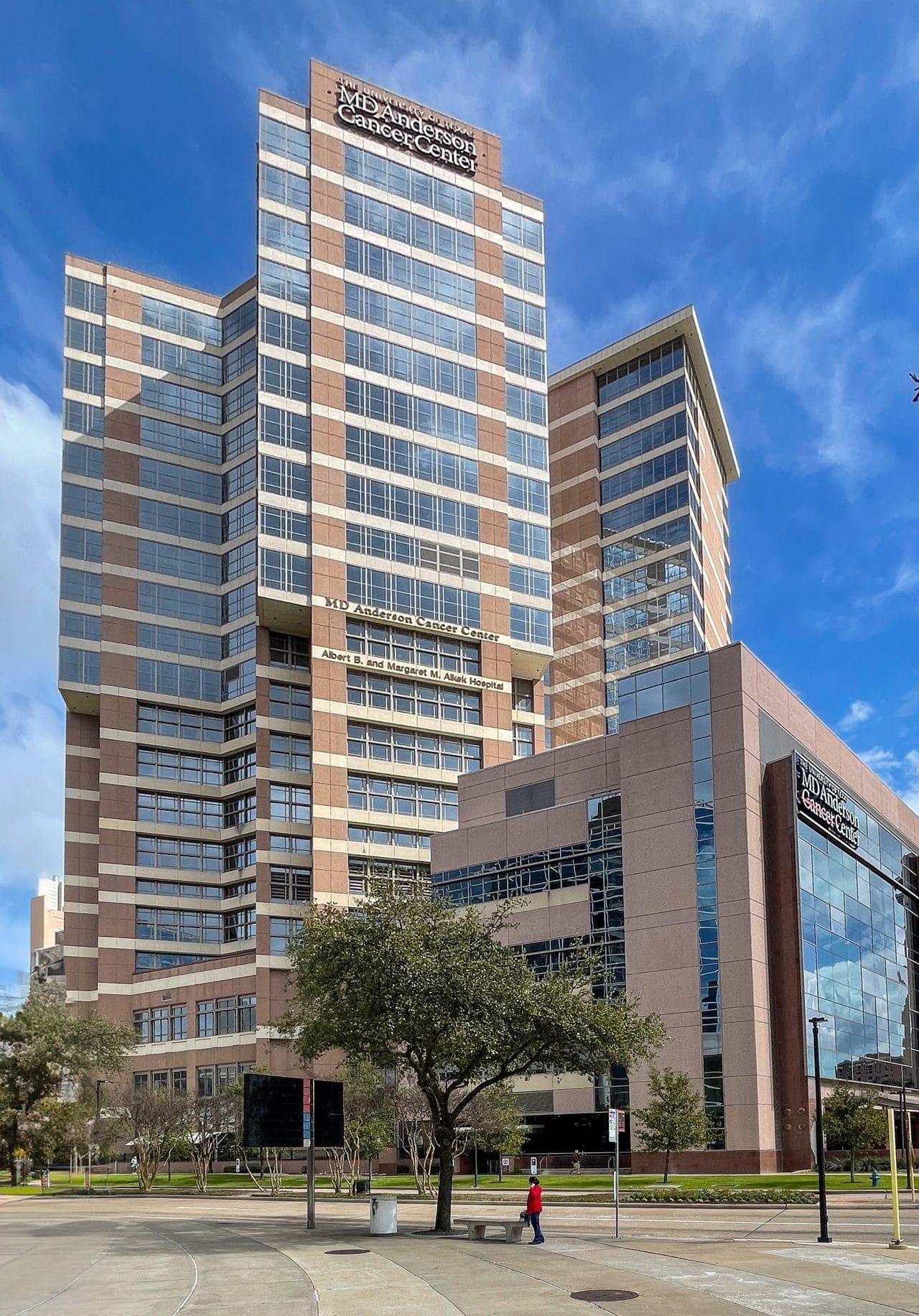
- Website: https://www.mdanderson.org/
- Employees: 27,000
- Headquarters: Houston, Texas, United States
- Job board: https://jobs.mdanderson.org/search/searchjobs
- Glassdoor rating: 4.1
The University of Texas MD Anderson Cancer Center, founded in 1941 and based in Houston, is one of the world’s largest and most respected institutions devoted exclusively to cancer care, research, education, and prevention. A member of the Texas Medical Center and part of the University of Texas System, MD Anderson has been ranked the number one cancer hospital in the United States by U.S. News & World Report numerous times, including for the 2024–2025 period. It treats more rare cancers in a day than many physicians see in a lifetime, offering patients expert, multidisciplinary care supported by advanced diagnostics, a high volume of clinical trials, and a strong focus on innovation. The institution is home to several specialized research centers, including the James P. Allison Institute, the Sheikh Khalifa Bin Zayed Al Nahyan Institute for Personalized Cancer Therapy, and the Meyers Institute for Oncology Nursing, each dedicated to improving outcomes through targeted therapy, immunotherapy, and precision medicine. MD Anderson’s global reach includes locations across Texas, partnerships with hospitals in other U.S. states, and international collaborations in countries like Spain, Turkey, and India. Its Moon Shots Program unites researchers and clinicians to rapidly translate discoveries into patient care, and the organization receives the highest number of National Cancer Institute grants in the country. It also offers degree programs through its School of Health Professions and Graduate School of Biomedical Sciences in partnership with UTHealth. With over 21,000 employees and a vast network of volunteers, MD Anderson provides robust support services for patients and families, including integrative medicine, counseling, and survivorship programs. Through its relentless pursuit of excellence and its mission to end cancer, MD Anderson continues to lead in oncology innovation, education, and compassionate patient-centered care.
Medical City Dallas Hospital
- Website: https://www.medicalcityhealthcare.com/locations/medical-city-dallas-hospital
- Employees: 3,000
- Headquarters: 7777 Forest Lane, Dallas, TX 75230
- Job board: https://jobs.bswhealth.com/us/en/radiology?rx_source=google&rx_vp=paidsearch&rx_c=radiology_performance_max&rx_campaign=&rx_ad=&rx_medium=cpc&rx_paid=1&rx_ch=paidsearch&utm_source=google.com&utm_medium=paidsearch&utm_campaign=radiology_performance_max&Taleo_ID=&gad_source=1&gad_campaignid=20737571967&gbraid=0AAAAACBa9Na-DGrN6aoU34DviyNTPWrHw&gclid=Cj0KCQjwgIXCBhDBARIsAELC9ZhqE06arlHQehUZAiwNjEzX7h10pLzq8xsKzX7KlmrQDCznW1MqWU0aAq9UEALw_wcB
- Glassdoor rating: 3.2
Medical City Dallas, based in north Dallas, Texas, is a major hospital operated by Hospital Corporation of America, offering a wide range of specialized services across its 899-bed facility. It features dedicated hospitals for children, women, and adults, with over 1,500 physicians on staff. Medical City Children’s Hospital, located on the same campus, provides 254 pediatric beds and includes a Level IV Neonatal Intensive Care Unit as well as a Level IV maternal care designation. The hospital has earned distinctions such as Magnet status for nursing excellence, an “A” safety grade from The Leapfrog Group, and high rankings from both Healthgrades and U.S. News & World Report. As part of Medical City Healthcare, a system that includes 22 hospitals and over 17,000 employees across the Dallas-Fort Worth area, Medical City Dallas operates within a network that supports a variety of medical professions, including pharmacy-related roles. Its extensive operations and clinical offerings create an environment where pharmacists and pharmacy technicians can support inpatient care, medication management, and specialty services. The organization is known for fostering professional development and providing education assistance and career mobility within the broader HCA Healthcare system, which includes over 180 hospitals in the U.S. and U.K. Medical City Dallas represents a significant healthcare employer where pharmacy professionals may contribute across numerous departments, particularly in critical care, pediatrics, and other specialty units.
Medical Review Institute of America – MRIoA
- Website: https://www.mrioa.com/
- Employees: 1,000
- Headquarters: West Valley City, Utah, United States
- Job board: https://www.mrioa.com/careers/
- Glassdoor rating: 4.0
Medical Review Institute of America, LLC (MRIoA), founded in 1983, is a top provider of independent clinical and utilization reviews, second opinions, and data-driven optimization solutions. Serving over 900 clients nationwide, including health plans, PBMs, TPAs, government entities, and self-insured employers, MRIoA is licensed in all states where required and supported by more than 1,000 clinical review specialists. Its guiding principles, known as The MRIoA Way, emphasize honesty, integrity, innovation, and confidentiality. MRIoA holds accreditations from URAC for Health Utilization Management and Independent Review Organization, NCQA for Utilization Management, and HITRUST certification for information security. Its Clinical Solutions Platform streamlines prior authorizations and supports accurate, timely clinical decisions. MRIoA has been recognized as a top workplace in the United States and for remote work. The company fosters a strong, employee-focused culture with competitive compensation, ongoing training, and robust data privacy practices. Committed to quality and compliance, MRIoA continues to lead the industry with its technology-enabled, patient-centered approach to healthcare review.
MedStar Georgetown University Hospital
- Website: https://www.medstarhealth.org/locations/medstar-georgetown-university-hospital
- Employees: 10,000
- Headquarters: 3800 Reservoir Road, NW, Washington, D.C., 20007, USA
- Job board: https://www.healthecareers.com/healthcare-employers/medstar-georgetown-university-hospital/654831?gad_source=1&gad_campaignid=21747905659&gbraid=0AAAAADEV3cAXf-wP7Tieai84EAoALAXLg&gclid=Cj0KCQjwgIXCBhDBARIsAELC9Zj7Vv6QPyKT2edS3ZigNNIUDRxDaBbSjfA7p0EiFNNsZZ3g_NUCJxIaAlXDEALw_wcB
- Glassdoor rating: 3.7
MedStar Georgetown University Hospital, located in Northwest Washington, D.C., is a 609-bed not-for-profit, acute-care teaching and research hospital affiliated with the Georgetown University School of Medicine. It is part of the MedStar Health network, which includes over 300 locations across the Baltimore-Washington region, offering varied career opportunities in both community-based and academic settings. Pharmacists and pharmacy technicians may find opportunities here given the hospital’s commitment to advanced patient care and research, particularly in centers of excellence such as cancer, transplant, neurosciences, and gastroenterology. The hospital is home to the Georgetown Lombardi Comprehensive Cancer Center and conducts innovative clinical research through the MedStar Health Research Institute and MedStar Institute for Innovation. MedStar Georgetown employs over 4,000 personnel and values teamwork, service, patient-first attitudes, and innovation, making it an appealing option for pharmacy professionals who want to work in an environment focused on compassionate care and clinical advancement. With competitive compensation, career development programs, and the ability to work closer to home within its large network, MedStar Health positions itself as a strong employer in the healthcare space. The 2023 opening of a $750 million pavilion, which includes a new emergency department and 31 advanced operating rooms, reflects the hospital’s commitment to growth and modern healthcare delivery. Magnet-designated for nursing excellence and recognized in multiple specialties by U.S. News & World Report, MedStar Georgetown continues to be a respected name in healthcare where pharmacists and pharmacy technicians can contribute meaningfully to patient outcomes while growing professionally within a major academic medical center.
Mercer University

- Website: https://www.mercer.edu/
- Employees: 4,500
- Headquarters: 1501 Mercer University Drive, Macon, GA 31207.
- Job board: https://hr.mercer.edu/prospective-employees/
- Glassdoor rating: 3.7
Mercer University, founded in 1833 and based in Macon, Georgia, is the state’s oldest private university and enrolls over 9,000 students across 12 colleges and schools. As a private research institution classified as R2 for high research activity, Mercer offers opportunities in fields including pharmacy, nursing, and health sciences through its Health Sciences Center, which spans campuses in Macon, Atlanta, Savannah, and Columbus. Mercer Medicine, the clinical arm of the university, employs healthcare professionals and support staff in multiple Georgia counties, offering roles that include pharmacy technicians and pharmacists. Employees benefit from competitive wages, medical and dental coverage, evenings and weekends off, generous retirement plans, and tuition waivers for themselves and their families. Mercer emphasizes employee wellness through campus fitness facilities, wellness programs, and health insurance, and supports professional development through tuition assistance and access to academic resources. The university is also known for fostering community involvement through initiatives like Mercer On Mission and local neighborhood revitalization efforts. Mercer’s campus culture includes appreciation events, arts programs, and a robust NCAA Division I athletics program. With a strong faith-based heritage rooted in Baptist traditions, Mercer maintains a commitment to intellectual and religious freedom and has earned recognition as a Military Friendly and Purple Heart University. As an employer, Mercer University values compassion, professionalism, and education, making it an attractive option for pharmacy professionals looking for a supportive and mission-driven workplace within an academic health system.
Mercy Health


- Website: https://www.mercy.com/
- Employees: 35,000
- Headquarters: 1701 Mercy Health Place, Cincinnati, Ohio, 45237
- Job board: https://careers.mercy.com/us/en/job/R236209/Pharmacist-Pharmacy-PRN-St-Charles-Hospital
- Glassdoor rating: 3.6
Mercy Health is one of the largest healthcare providers in Ohio and Kentucky, operating more than 600 points of care and employing over 34,000 individuals across both states. Known for its Catholic roots and mission-driven care, Mercy Health is part of Bon Secours Mercy Health, which formed through a 2018 merger and has headquarters in Cincinnati, Ohio. The system includes hospitals in major cities like Cincinnati, Toledo, Youngstown, Springfield, Lima, and Paducah, as well as numerous 24-hour emergency facilities, making it a significant employer for pharmacy technicians and pharmacists alike. With its extensive network of hospitals and outpatient centers, Mercy Health offers opportunities in a wide range of pharmacy settings, from inpatient hospital roles to retail and emergency care support. The system’s historical ties to religious congregations such as the Sisters of Mercy, the Sisters of Charity of Montreal, and the Sisters of the Holy Humility of Mary continue to influence its values, emphasizing compassionate, holistic care. Employees at Mercy Health can expect access to comprehensive benefits, including medical and dental insurance, paid time off, tuition reimbursement, retirement plans, and wellness programs. The organization emphasizes professional development, offering learning opportunities and career mobility within its vast network. Pharmacy professionals working here contribute directly to a mission centered on healing mind, body, and spirit, and benefit from the system’s size, stability, and patient-first culture. For those pursuing pharmacy careers, Mercy Health presents a broad platform for clinical experience, patient interaction, and long-term career growth in both traditional and emerging healthcare environments.
Molina Healthcare


- Website: https://www.linkedin.com/company/molina-healthcare/
- Employees: 18,000
- Headquarters: Long Beach, California, U.S
- Job board: https://careers.molinahealthcare.com/search-jobs
- Glassdoor rating: 3.3
Molina Healthcare, Inc. is a Long Beach, California-based managed care company that provides health insurance primarily through government programs such as Medicaid and Medicare. Founded in 1980 by Dr. C. David Molina to serve low-income patients rejected by traditional providers, Molina has since grown into a multibillion-dollar public company. As of 2024, it reported $40.7 billion in revenue and employed approximately 18,000 people. The company expanded nationally through acquisitions and state contracts, offering services in more than 20 states and Puerto Rico. Under CEO Joseph Zubretsky since 2017, Molina has pursued strategic acquisitions, including Magellan Complete Care and Affinity Health Plan, to broaden its Medicare and Medicaid reach. It went public in 2003 and is now listed on the Fortune 500, ranking 126th in 2023. The company was recognized by Time, Forbes, and Newsweek in 2023 for workplace excellence. However, Molina has also faced scrutiny over high prior authorization denial rates in some Medicaid plans, with a 2023 investigation reporting denial rates above 25% in several states. In response to operational and financial shifts, Molina has exited some marketplaces and closed underperforming clinics in recent years. Beyond healthcare delivery, the company is involved in philanthropic initiatives such as a $100,000 grant to Compass Health in 2022. With a legacy rooted in accessible care and a business model focused on public-sector insurance, Molina continues to adapt within the dynamic healthcare landscape while maintaining a mission to serve vulnerable populations.
Morristown Medical Center

- Website: https://www.atlantichealth.org/locations/morristown-medical-center
- Employees: 6,973
- Headquarters: 100 Madison Avenue, Morristown, NJ 07960, United States
- Job board: https://ahs.atlantichealth.org/careers.html
- Glassdoor rating: 4.0
Morristown Medical Center is a 735-bed non-profit academic medical center located in Morristown, New Jersey, and is the largest hospital within Atlantic Health System and northwestern New Jersey. It employs about 7,000 people and includes over 1,800 physicians and providers across a wide range of specialties including cardiology, oncology, orthopedics, pediatrics, and emergency care. The facility operates a Level I Regional Trauma Center, a rooftop helipad, and houses Goryeb Children’s Hospital, which includes a Level III Neonatal Intensive Care Unit and a 15-bed Pediatric Intensive Care Unit. Morristown Medical Center is affiliated with the Sidney Kimmel School of Medicine at Thomas Jefferson University and plays a central role in Atlantic Health System, which comprises five acute care hospitals, one children’s hospital, and a workforce of more than 20,000. The medical center’s size, scope, and comprehensive services require a robust pharmacy department involved in patient care, medication management, and clinical support. Pharmacy professionals at Morristown Medical Center contribute to multidisciplinary teams across various departments to ensure safe and effective use of medications. Atlantic Health System supports its employees with benefits such as health, dental, and vision insurance, tuition assistance, wellness programs, and retirement plans. Professional growth is encouraged through access to instructor-led courses and continued education opportunities relevant to both clinical and non-clinical roles. Pharmacists and pharmacy technicians can find employment opportunities at Morristown Medical Center in areas that include inpatient care, pediatrics, oncology, and emergency medicine, making it a viable choice for those seeking careers in hospital-based pharmacy practice within a nationally recognized health network.
Nephron Pharmaceuticals
- Website: https://nephronpharm.com/
- Employees: 850
- Headquarters: West Columbia, South Carolina
- Job board: https://nephronpharm.com/careers/
- Glassdoor rating: 2.3
Nephron Pharmaceuticals Corporation, headquartered in West Columbia, South Carolina, manufactures generic respiratory medications used in the treatment of asthma and COPD. Its products serve a wide range of customers including hospitals, pharmacies, long-term care facilities, home care providers, and mail-order pharmacies. Nephron actively seeks to grow its workforce and offers a range of opportunities suited for pharmacy professionals, including apprenticeships for pharmacy technician training. In partnership with Midlands Technical College and Apprenticeship Carolina, employees can pursue a Pharmacy Technician certificate through a paid program that combines classroom instruction, online learning, and practical experience. The company emphasizes internal development through thorough onboarding, Boot Camp training, and on-the-job training led by expert staff. Employees benefit from a robust package including medical, dental, and vision plans, a 401(k), paid time off, life insurance, disability protection, and discounted gym memberships. Nephron also features an in-house pharmacy offering low-cost medications and health products to employees and their families. Women represent 53% of Nephron’s workforce and hold many key management and advanced-degree roles, with the company recognized as a certified woman-owned business by the National Women Business Owners Corporation. Nephron is deeply embedded in South Carolina’s life sciences industry, contributing to the state’s economy and employing a large workforce at its Lexington County campus, which spans over 700,000 square feet following a recent $215.8 million expansion. For aspiring students interested in entering the pharmaceutical industry, especially in pharmacy technician roles, Nephron presents a clear pathway combining employment, training, and education.
NewYork-Presbyterian Hospital
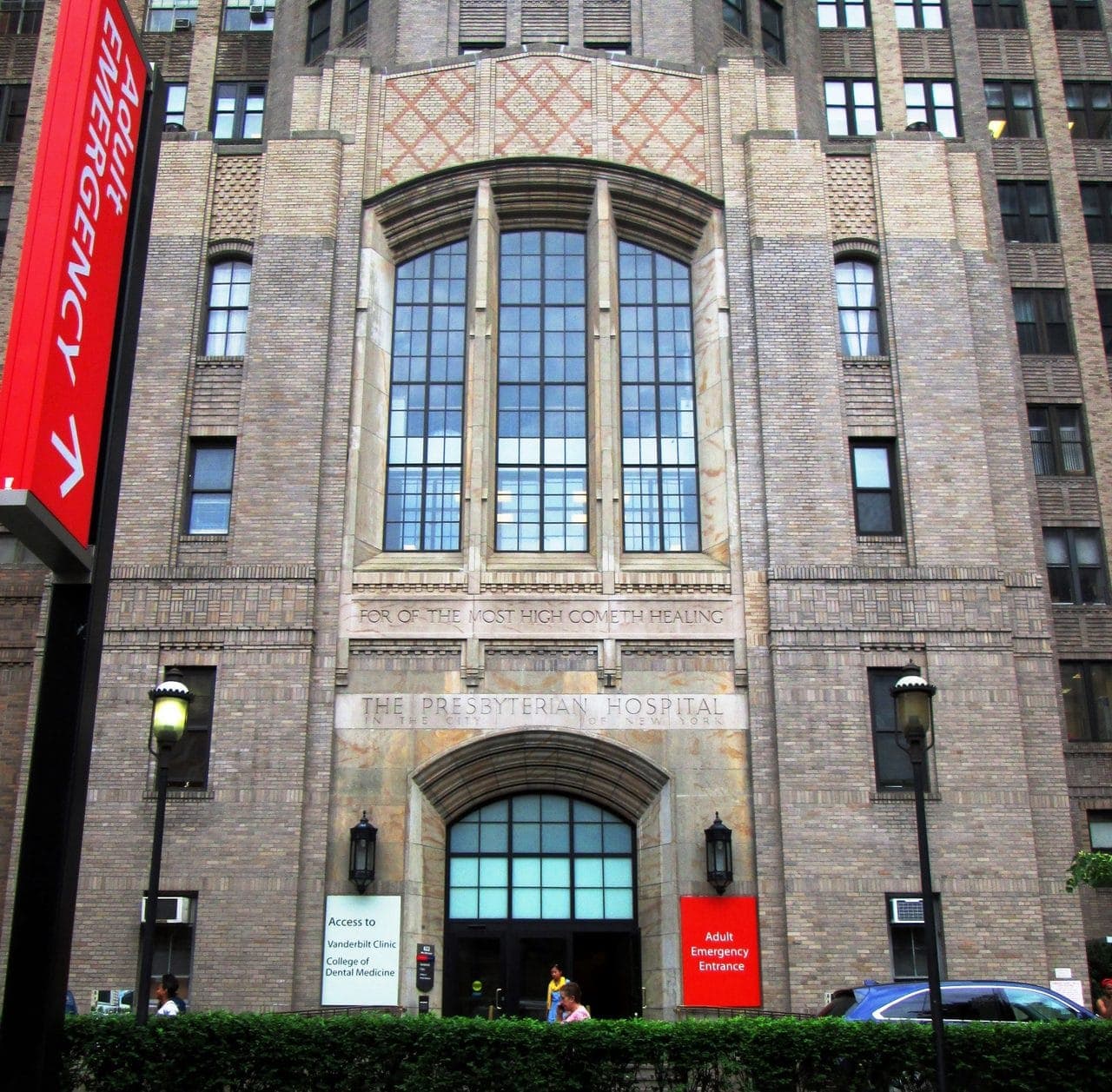

- Website: https://www.nyp.org/
- Employees: 50,000
- Headquarters: Washington Heights, New York City, USA
- Job board: https://careers.nyp.org/
- Glassdoor rating: 4.0
NewYork-Presbyterian Hospital (NYP) is a nonprofit academic medical center based in New York City, serving as the primary teaching hospital for both Weill Cornell Medicine and Columbia University Vagelos College of Physicians and Surgeons. Founded in 1771, it is one of the oldest and largest hospitals in the United States, operating over 4,000 beds across 11 campuses. The hospital employs more than 20,000 staff and affiliates with over 6,500 physicians. Its two main campuses, Columbia University Irving Medical Center and Weill Cornell Medical Center, anchor a system consistently ranked among the top hospitals nationally by U.S. News & World Report, with specialties such as neurology, cardiology, psychiatry, and pediatrics frequently ranked in the top 10. NYP was formed in 1998 through the merger of New York Hospital and Presbyterian Hospital, both of which have roots going back to the 18th and 19th centuries. The institution leads in clinical innovation, medical education, emergency services, and telemedicine, having launched mobile stroke units and played a central role in the COVID-19 response by rapidly expanding ICU capacity and building field hospitals. The network includes notable facilities such as Morgan Stanley Children’s Hospital, Komansky Children’s Hospital, and the Ronald O. Perelman Heart Institute. In 2020, the hospital also launched the Dalio Center for Health Justice to address disparities in healthcare access. Under the leadership of CEO Dr. Steven Corwin, NYP is committed to excellence in patient care, research, and employee well-being, offering a collaborative work environment across its campuses and a benefits package that supports a strong work-life balance.
Northside Hospital
- Website: https://www.northside.com/
- Employees: 30,000
- Headquarters: 1000 Johnson Ferry Road, Atlanta, GA 30342
- Job board: https://jobs.northside.com/job-search-results/
- Glassdoor rating: 4.4
Northside Hospital, a certified Great Place To Work®, is one of Georgia’s leading health systems with acute-care hospitals in Atlanta, Canton, Cumming, Duluth, and Lawrenceville, as well as hundreds of outpatient locations statewide. Renowned for leading the U.S. in newborn deliveries and excelling in cancer care, cardiovascular services, sports medicine, and surgery, Northside emphasizes transforming community health through innovation, quality, and access. With over 50 years of service, Northside brings cutting-edge diagnostics and treatments directly to Georgia communities through programs like the Northside Hospital Cancer Institute, one of the top two community cancer programs in the U.S., and its nationally recognized Blood and Marrow Transplant and Stroke Centers. Northside also features one of the nation’s most advanced outpatient joint replacement centers and is committed to innovation and improved outcomes through leading-edge technology and research. Employees benefit from robust growth and recognition programs, student loan repayment, a pension plan, 403(b) with company match, extensive health insurance options, paid family leave, wellness programs, and self-care resources. Flexible scheduling through the in-house Choice+ Program and access to on-site childcare and emergency financial support reflect the hospital’s investment in work-life balance. Northside’s culture of collaboration, innovation, and care continues to make it a preferred destination for both patients and healthcare professionals.
Northwell Health
- Website: https://www.northwell.edu/
- Employees: 85,000
- Headquarters: 130 East 59th Street, 11th Floor New York, NY 10022
- Job board: https://jobs.northwell.edu/
- Glassdoor rating: 3.8
Northwell Health is New York State’s largest health care provider and private employer, headquartered in New Hyde Park, with a workforce exceeding 105,000 employees, including over 19,000 nurses and more than 5,000 employed doctors. The network encompasses 28 hospitals, around 1,000 outpatient facilities, and treats over two million people annually across the New York metro area. As a nonprofit integrated healthcare system, Northwell is deeply involved in both clinical innovation and academic training through institutions like the Donald and Barbara Zucker School of Medicine at Hofstra/Northwell and the Hofstra Northwell School of Nursing and Physician Assistant Studies. Pharmacy professionals and technicians are part of a broad healthcare operation that includes major hospitals such as North Shore University Hospital and Long Island Jewish Medical Center, along with specialized services like the SkyHealth air ambulance and the Feinstein Institutes for Medical Research. In May 2025, Northwell expanded beyond New York for the first time through its completed merger with Nuvance Health. The organization is also known for fostering a supportive and inclusive workplace culture, reflecting its values of leadership, innovation, and community care. Though the system faced scrutiny in 2024 regarding its billing practices related to COVID-19 testing, it has continued to focus on improving patient experiences and operational transparency. Northwell also highlights the achievements of its staff through efforts like the Northwell Nurse Choir and provides career growth opportunities within a wide range of clinical and non-clinical roles. For aspiring pharmacy professionals, Northwell offers numerous paths in hospital, outpatient, and research settings, all within a system committed to patient-centered care and workforce development.
Northwestern Medicine Central DuPage Hospital
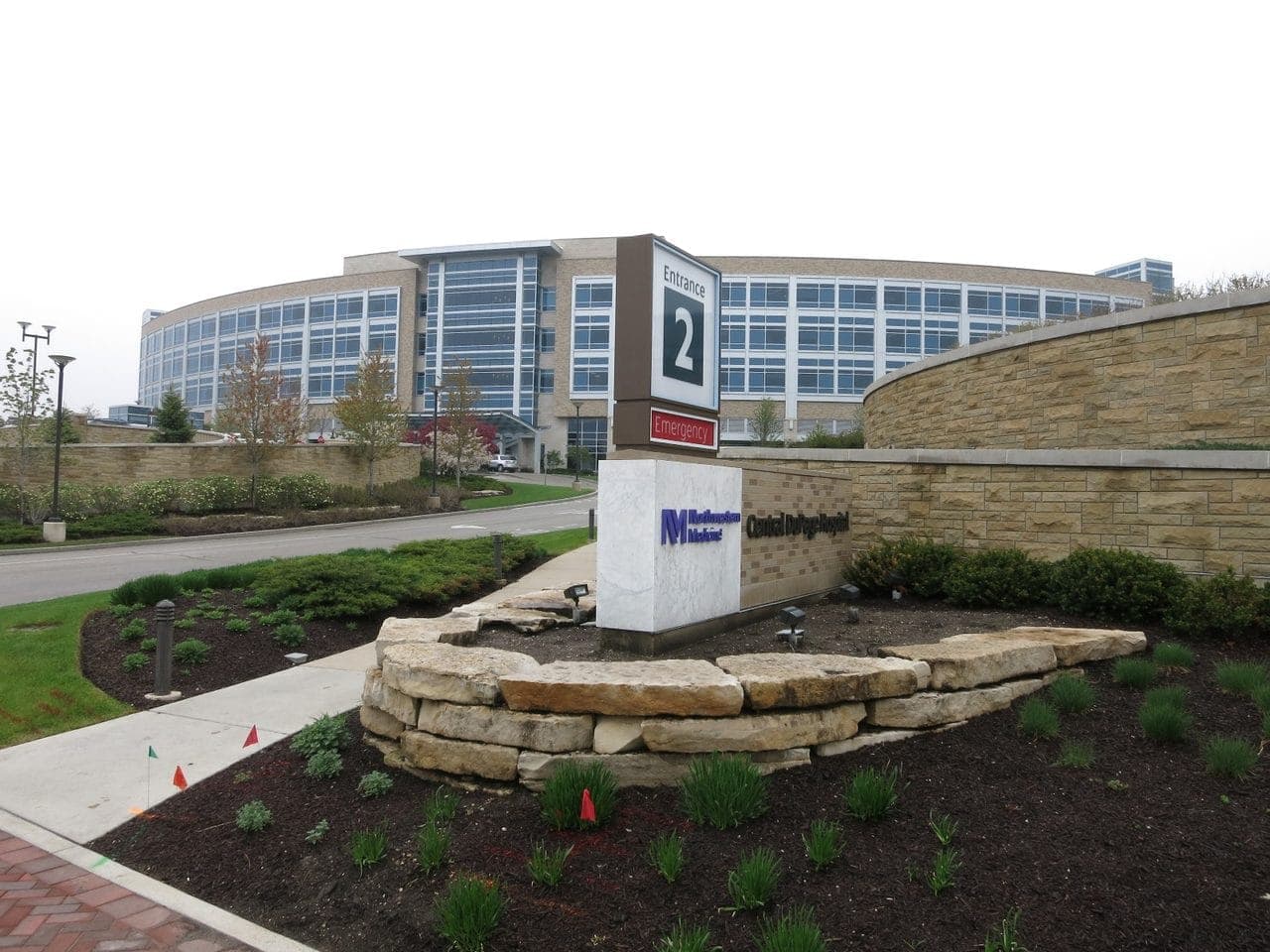

- Website: https://www.nm.org/locations/central-dupage-hospital
- Employees: 2,414
- Headquarters: 25 Winfield Rd, Winfield, IL 60190, United States
- Job board: https://www.nm.org/about-us/careers
- Glassdoor rating: 3.6
Northwestern Medicine is a leading academic health system based in Chicago, Illinois, affiliated with the Northwestern University Feinberg School of Medicine. The system includes 11 hospitals and more than 200 diagnostic and outpatient sites throughout the Chicago area and beyond. With a workforce of over 33,000 professionals, Northwestern Medicine delivers a wide range of medical services, including inpatient and outpatient care, research, and education. As an integrated health system, it supports numerous clinical specialties and subspecialties, and its affiliation with a major medical school provides opportunities for collaboration in clinical practice and training. Pharmacy professionals are part of the broader healthcare team, contributing to patient care across multiple sites. The size and scope of Northwestern Medicine's operations, as well as its academic focus and extensive hospital network, support the inclusion of pharmacists and pharmacy technicians in hospital pharmacies, ambulatory care centers, and outpatient clinics. The system places importance on patient-centered care, quality improvement, and clinical excellence. Employees benefit from comprehensive health coverage, retirement plans, and tuition assistance programs. In addition to providing medical services, Northwestern Medicine engages in community outreach and wellness programs. The organization also focuses on fostering an inclusive and supportive work environment for healthcare workers. Career opportunities are available across clinical and non-clinical functions, with various openings posted across its hospitals and care sites. The scale and academic nature of the institution offer students and early-career professionals exposure to advanced healthcare settings and opportunities for continued education and professional development.
Northwestern Memorial Hospital
- Website: https://www.nm.org/
- Employees: 7,000
- Headquarters: Chicago, Illinois, at 251 East Huron Street
- Job board: https://www.nm.org/about-us/careers
- Glassdoor rating: 3.9
Northwestern Medicine, headquartered in Chicago, Illinois, is an integrated academic health system formed through a collaboration between Northwestern Memorial HealthCare and the Northwestern University Feinberg School of Medicine. With a workforce of over 33,000 employees and more than 5,400 aligned physicians, the organization operates 11 hospitals and more than 100 locations across the Chicagoland area. The flagship facility, Northwestern Memorial Hospital, is consistently ranked the top hospital in Illinois and among the top 10 hospitals in the nation by U.S. News & World Report. The institution emphasizes patient-centered care, clinical excellence, research, and community health, supported by over $534 million in annual research funding and more than 4,500 active clinical trials. Northwestern Medicine is known for high standards in medical specialties such as neurology, cardiology, geriatrics, and oncology. It also maintains a strong academic and research foundation, largely attributed to its affiliation with the Feinberg School of Medicine. The system offers competitive benefits and is frequently recognized as a top workplace, ranking No. 14 on Forbes' 2023 list of America’s Best Large Employers and appearing on Becker’s Hospital Review’s “150 Great Places to Work in Healthcare” for three consecutive years. It supports career development through programs like tuition reimbursement and student loan repayment, along with flexible work arrangements and wellness initiatives. Facilities such as the Galter, Feinberg, and Lavin Pavilions offer extensive inpatient and outpatient services, while specialized centers like Prentice Women’s Hospital and the Robert H. Lurie Comprehensive Cancer Center contribute to the breadth of care available. Northwestern Medicine’s reputation as a leading employer and healthcare provider makes it a compelling option for pharmacists and pharmacy technicians seeking to work in a top-tier, academically driven health system.
Novartis

- Website: https://www.novartis.com/
- Employees: 101,700
- Headquarters: East Hanover, New Jersey
- Job board: https://www.novartis.com/careers/career-search
- Glassdoor rating: 4.0
Novartis AG is a Swiss multinational pharmaceutical company headquartered in Basel, Switzerland, established in 1996 through the merger of Ciba-Geigy and Sandoz. With approximately 75,883 employees, it ranks among the world’s largest pharmaceutical companies, generating $50.32 billion in revenue in 2024. Novartis develops and markets a wide range of medications, including Ritalin, Gleevec, Diovan, and Exjade, and its medicines reach over 250 million people globally. It trades under the stock ticker NOVN on the SIX Swiss Exchange and is known for its commitment to inclusion, offering equitable parental leave and promoting LGBTQI+ and disability inclusion through partnerships with global organizations. CEO Vas Narasimhan has led the company’s efforts to foster a diverse and ethical workplace. While praised for its innovation and corporate culture, Novartis has also faced several controversies over the years, including marketing violations, allegations of bribery, and legal battles over patent rights, most notably in India regarding Gleevec. Despite these issues, it continues to hold a strong presence in the pharmaceutical industry and is regarded as a workplace that values equity, transparency, and employee well-being.
Nuvance Health
- Website: https://www.nuvancehealth.org/
- Employees: 15,000
- Headquarters: Danbury, Connecticut.
- Job board: https://careers.nuvancehealth.org/jobs/14363607-float-pool-pharmacist-40hr-day-shift
- Glassdoor rating: 3.2
Nuvance Health is a nonprofit health system serving New York’s Hudson Valley and western Connecticut through a network of seven community hospitals and numerous outpatient care facilities. With over 15,000 caregivers, Nuvance Health provides comprehensive services including primary and specialty care, emergency services, surgical and rehabilitation care, home care, and telehealth. The organization features institutes dedicated to cancer, heart and vascular health, neuroscience, and digestive health, offering pharmacy professionals exposure to a variety of clinical environments. Hospitals under Nuvance Health include Danbury Hospital, Norwalk Hospital, Sharon Hospital, and their New York counterparts Northern Dutchess, Putnam, and Vassar Brothers Medical Center. These facilities are known for high-quality care and have received national recognition from organizations such as the American Heart Association and the Centers for Medicare & Medicaid Services. The system promotes diversity, inclusion, and health equity across its workforce, creating a supportive environment for all staff. Nuvance Health emphasizes innovation in healthcare delivery while maintaining the personalized approach of a community system. Pharmacy technicians and pharmacists interested in careers here may find opportunities in inpatient pharmacy services, outpatient clinics, and specialty institutes, working alongside interdisciplinary teams to improve patient outcomes. The system is committed to professional growth and offers rewarding careers to individuals motivated to make a difference in healthcare.
NYU Langone Health


- Website: https://nyulangone.org/
- Employees: 53,000
- Headquarters: 550 First Avenue, New York, NY 10016
- Job board: https://jobs.nyulangone.org/job/21365063/
- Glassdoor rating: 4.4
NYU Langone Health, based in New York City, is a comprehensive academic health system affiliated with the NYU Grossman School of Medicine and NYU Grossman Long Island School of Medicine. The institution traces its roots to 1841 and has grown into a major healthcare network with six inpatient locations and over 320 outpatient sites across New York and Florida. With annual revenue reaching $14.2 billion, NYU Langone employs thousands across its hospitals, research centers, and educational programs. Its workforce benefits from a robust wellness and compensation package including medical coverage, fertility and family-building support, and professional development opportunities. The health system has a reputation for clinical excellence, earning top national rankings in specialties such as neurology, cardiology, pulmonology, and geriatrics. In 2024, it was recognized as the number one comprehensive academic medical center for quality and safety by Vizient Inc. and received five-star ratings from the Centers for Medicare and Medicaid Services. Its transplant programs are among the nation's best, with leading survival rates and procedure volumes. NYU Langone played a key role in the NIH’s RECOVER Initiative to study long-term effects of COVID-19, receiving over $450 million in funding. The institution has also demonstrated resilience, as seen in its recovery after Hurricane Sandy in 2012, during which it safely evacuated 322 patients amid catastrophic flooding. While highly regarded for clinical innovation and patient outcomes, NYU Langone has faced controversy over its enforcement of internal policies regarding political speech, resulting in the dismissal of several employees in 2023 and 2024, which led to legal challenges. As a workplace, NYU Langone promotes an inclusive and purpose-driven culture, offering a supportive environment for pharmacists and pharmacy technicians, who are essential to its patient care and research missions. The current CEO is Robert I. Grossman, MD.
Ohio State University
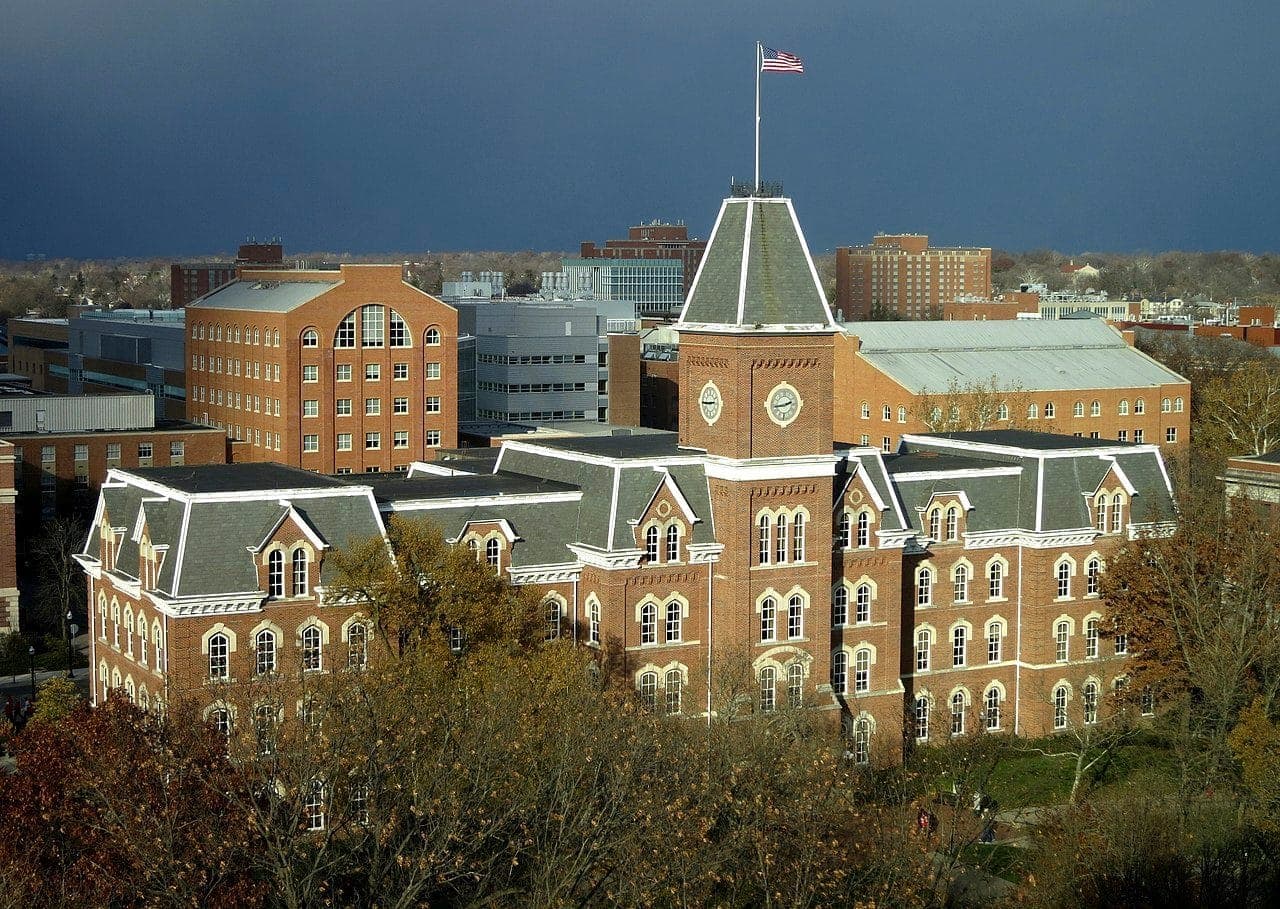

- Website: https://www.osu.edu/
- Employees: 41,000
- Headquarters: Columbus, Ohio, at 190 N. Oval Mall
- Job board: https://hr.osu.edu/careers/
- Glassdoor rating: 4.1
The Ohio State University, founded in 1870 as a public land-grant research institution, is one of the largest and most comprehensive universities in the United States. Located in Columbus with regional campuses in Lima, Mansfield, Marion, Newark and Wooster, it enrolls nearly 65,000 students and offers over 400 undergraduate and graduate degree programs across sixteen colleges. Recognized as an R1 institution with very high research activity, Ohio State is a member of the Association of American Universities and has an endowment of $7.9 billion as of 2024. The university has produced a distinguished body of alumni and faculty, including Nobel laureates, Pulitzer Prize winners, and Olympic medalists. It also fields NCAA Division I athletic teams as the Ohio State Buckeyes and competes in the Big Ten Conference. Ohio State emphasizes work-life balance, providing employees with a comprehensive benefits package that includes medical, dental, vision and prescription coverage, state pension plans, paid time off, tuition assistance, and a variety of wellness programs. Flexible and remote work arrangements, childcare support and access to educational and cultural events contribute to an inclusive and supportive environment. Employees are also offered mental health resources and programs that prioritize emotional well-being. The university actively promotes diversity, community engagement and shared values, with faculty and staff playing vital roles in education, research and service. Ohio State’s impact extends to every Ohio county through its Extension offices, and its location in Columbus, Ohio’s capital and fastest-growing city, offers cultural richness and economic opportunity. Voted a top employer for 12 consecutive years by (614) Magazine’s ColumBEST awards, Ohio State continues to lead with purpose, empowering its people and shaping the future through innovation and collaboration.
Olympia Pharmacy
- Website: https://www.olympiapharmacy.com/
- Employees: 130
- Headquarters: 6700 Conroy Windermere Road, Suite 155. Orlando, FL 32835
- Job board: https://www.olympiapharmacy.com/careers/
- Glassdoor rating: 3.6
Founded in 2009 and headquartered in Orlando, Florida, Olympia Pharmaceuticals is a compounding pharmacy and pharmaceutical manufacturer that supports both 503A and 503B operations, allowing it to serve both patient-specific and office-use needs across the United States. Operating from two state-of-the-art facilities, Olympia offers a broad range of wellness-focused products, including IV nutrition therapies, weight management solutions, vein care medications, hormone replacement therapies, and treatments for sexual health and age-related conditions. Olympia is FDA-registered as a 503B outsourcing facility, which allows it to prepare medications for physician office use in compliance with national and state regulations. The company emphasizes high standards in compounding by employing qualified staff, using advanced equipment, and sourcing quality sterile and non-sterile chemicals to meet or exceed regulatory standards. Olympia requires all employees to work onsite in support of its mission to ensure transparent collaboration across departments and maintain consistent quality in pharmaceutical preparation. For pharmacy students or graduates interested in clinical compounding and wellness-oriented pharmaceuticals, Olympia represents a potential employer with a focus on innovation, health optimization, and strict adherence to regulatory compliance.
Optum
- Website: https://www.optum.com/en/
- Employees: 70,000
- Headquarters: Eden Prairie, Minnesota
- Job board: https://www.optum.com/en/careers.html
- Glassdoor rating: 3.5
Optum, Inc., a subsidiary of UnitedHealth Group, is a major American healthcare services provider offering pharmacy care, technology, analytics, and direct healthcare delivery. Established in 2011 through the consolidation of UnitedHealth’s existing services, Optum operates three core segments: OptumHealth, OptumInsight, and OptumRx. The company generates over $250 billion in annual revenue as of 2024 and accounts for a significant portion of UnitedHealth’s earnings. Its services support employers, government agencies, insurers, and individuals. Optum has expanded rapidly through acquisitions such as MedExpress, DaVita Medical Group, Change Healthcare, Atrius Health, and Amedisys. Its vertically integrated model, which combines pharmacy, data, and care delivery, has influenced large-scale industry mergers like CVS-Aetna, though it has drawn antitrust scrutiny. In 2019, Optum sued a former executive for joining the Amazon–JPMorgan–Berkshire venture Haven, citing trade secret concerns. That year, a study in *Science* reported that an Optum algorithm may have produced racially biased care recommendations. Despite criticism and legal challenges, Optum continues to shape U.S. healthcare through its scale, acquisitions, and data-driven strategies. Patrick Conway became CEO in April 2025.
Oregon State University


- Website: https://oregonstate.edu/
- Employees: 4,700
- Headquarters: Corvallis, Oregon, United States
- Job board: https://talent.oregonstate.edu/
- Glassdoor rating: 4.3
Oregon State University (OSU) is a globally recognized public research institution known for its commitment to innovation, sustainability, and inclusive excellence. As one of only three U.S. universities with land, sea, space, and sun grant designations, OSU is uniquely positioned to lead in solving complex global challenges. With campuses in Corvallis and Bend, a top-tier online education platform, and Extension programs in every Oregon county, OSU’s impact extends across the state and around the world. The university offers nearly 200 academic programs through 11 colleges and is ranked in the top 1.4% of universities globally. OSU is the top public research institution in Oregon in terms of funding and is nationally recognized for climate change research, innovation, and its vibrant, student-centered communities. The Corvallis campus is located in a nationally ranked college town surrounded by natural beauty, while the Bend campus offers unique access to Central Oregon’s outdoor recreation. OSU provides competitive employee benefits including comprehensive medical, dental, vision, and life insurance coverage with 95% employer-paid health premiums, generous paid leave, tuition discounts of 70% for staff and eligible family members, and robust retirement options. The university also supports professional development through workshops, tuition reduction, and access to online learning platforms. Resources for mental health, childcare, eldercare, and flexible work arrangements help employees maintain a healthy work-life balance. OSU’s commitment to belonging is reflected through its cultural centers, affinity groups, and initiatives aimed at fostering equity and inclusion. The university honors its land grant heritage and is actively engaged in building meaningful partnerships with Indigenous communities. At OSU, faculty and staff join a collaborative, mission-driven environment where excellence in education, research, and outreach are supported by a culture that values well-being, growth, and the enduring impact of public service.
Penn Medicine Clinic
- Website: https://www.pennmedicine.org/
- Employees: 49,000
- Headquarters: 3400 Spruce Street, Philadelphia, PA 19104
- Job board: https://careers.pennmedicine.org/search/pharmacy/jobs
- Glassdoor rating: 3.9
Penn Medicine, a globally recognized academic medical center in Philadelphia, combines excellence in patient care, biomedical research, and medical education through the University of Pennsylvania Health System and the Perelman School of Medicine. As the oldest medical school in the United States, founded in 1765, the Perelman School is also one of the country’s leading recipients of NIH funding, with $580 million awarded in fiscal year 2023. Penn Medicine is an $11.9 billion enterprise employing nearly 49,000 individuals and has pioneered groundbreaking innovations such as CAR T cell therapy and the mRNA technology behind COVID-19 vaccines. For pharmacy professionals, Penn Medicine offers employment in a setting that values collaboration and innovation. Pharmacists and technicians may work in advanced facilities like the Pavilion, a 17-story hospital with state-of-the-art operating rooms and telemedicine infrastructure. Employees benefit from generous tuition assistance, professional development, interdisciplinary collaboration, and leadership training. A strong emphasis is placed on employee wellness through the Wellfocused program, which includes challenges and incentives to promote healthy lifestyles via the Limeade app, offering up to $400 in cash rewards. Additional employee perks include a 403(b) matching plan, comprehensive health benefits, and a culture of belonging that encourages community service and personal growth. Penn Medicine also supports work-life balance through its dedicated Work-Life program, helping staff manage the demands of career and personal responsibilities. With a legacy of medical innovation and a strong support system for career advancement, Penn Medicine offers an ideal environment for pharmacists and pharmacy technicians seeking to contribute to cutting-edge healthcare while advancing their professional goals.
Penn State Health

- Website: https://www.pennstatehealth.org/
- Employees: 18,000
- Headquarters: 500 University Drive Hershey, PA 17033
- Job board: https://www.pennstatehealth.org/careers/staff-pharmacist-pharmacy-services-main-23
- Glassdoor rating: 3.6
Penn State Health is a multi-hospital academic health system serving patients across 15 counties in central Pennsylvania. It includes five adult acute care hospitals led by its flagship, Penn State Health Milton S. Hershey Medical Center, along with two specialty hospitals and Penn State Health Children’s Hospital, the region’s only dedicated pediatric hospital. Through its partnership with Penn State College of Medicine, the system integrates patient care, education, and research to improve health outcomes. With more than 2,450 physicians and direct care providers across 225 outpatient practices, Penn State Health aims to ensure that every community member is within 10 minutes of primary care, 20 minutes of specialty care, and 30 minutes of an acute care hospital. The system has received national recognition for quality, including rankings from U.S. News and World Report for excellence in orthopedics, neurology, cancer care, and pediatric specialties. Hershey Medical Center is ranked number one in the Harrisburg metro area and fifth in Pennsylvania. Holy Spirit and St. Joseph Medical Centers have been rated high-performing in treating heart-related conditions, stroke, and pneumonia. Committed to equity and inclusion, Penn State Health earned a top score of 100 on the Human Rights Campaign’s Healthcare Equality Index for its LGBTQ+ inclusive practices and was named a 2025 VETS Indexes Recognized Employer for supporting veterans. The health system also promotes a culture of recognition and appreciation through its website, where patients and coworkers can nominate outstanding employees for exemplary service.
Penn State Health - Milton S. Hershey Medical Center
- Website: https://www.pennstatehealth.org/locations/milton-s-hershey-medical-center
- Employees: 12,000
- Headquarters: 500 University Dr, Hershey, PA 17033, United States
- Job board: https://www.pennstatehealth.org/careers
- Glassdoor rating: 3.6
Penn State Health Milton S. Hershey Medical Center is a 628-bed nonprofit academic medical center located in Hershey, Pennsylvania. As the region’s only university-level teaching hospital and a Level I trauma center for both adults and children, it serves as the largest facility in the Penn State Health system and is closely affiliated with the Penn State College of Medicine. The medical center supports extensive clinical services and research initiatives, and it includes Penn State Health Children’s Hospital, a 134-bed pediatric facility providing comprehensive care for patients up to age 21. Pharmacy students and technicians exploring career opportunities will find a supportive environment that values education, teamwork and patient-centered care. The system offers a robust benefits package beginning on the first day of employment, including medical, dental and vision coverage, mental health support, and retirement planning with employer contributions. For professional growth, Penn State Health provides tuition assistance of up to $5,250 annually and recognition programs to honor employee contributions. The organization promotes diversity, equity and inclusion, creating a workplace that welcomes all backgrounds and perspectives. Career development is encouraged through a wide range of clinical and non-clinical roles across more than 100 locations in central Pennsylvania. As part of an academic health center, pharmacy professionals benefit from ongoing collaboration, innovation and access to advanced medical resources. The system’s commitment to excellence, learning and community service creates an environment where pharmacy professionals can thrive while making a meaningful impact on patient care throughout the region.
Prime Therapeutics
- Website: https://www.primetherapeutics.com/
- Employees: 7,000
- Headquarters: Suite 200, Eagan, MN 55121.Eagan, Minnesota, USA.
- Job board: https://www.primetherapeutics.com/careers
- Glassdoor rating: 3.5
Prime Therapeutics LLC is a pharmacy solutions organization that provides pharmacy benefit management, specialty and medical drug management, and services for state governments, supporting millions of individuals nationwide. The company offers potential opportunities for pharmacists and pharmacy technicians, particularly in roles involving benefit design, drug management, and patient-focused pharmacy services. Prime emphasizes a culture of innovation and member-centered care, aiming to deliver cost-effective, simplified solutions that improve health outcomes. Pharmacists and technicians joining Prime may benefit from competitive compensation, extensive health coverage options including PPO and CDHP plans, and a 401(k) retirement program with immediate vesting and a 100% employer match up to six percent. Prime also supports work-life balance through nine paid holidays, flexible spending accounts, backup care days, and four weeks of paid parental leave. Additional benefits include education reimbursement, adoption support, employee assistance programs, and wellness resources. The company promotes diversity, equity, and inclusion through training, employee resource groups, and community engagement initiatives. It has been recognized with awards such as the Prism Award Honorable Mention, inclusion in FlexJobs’ Top 100 Companies with Remote Jobs, and designation as a Best Place to Work for Disability Inclusion. For those pursuing pharmacy careers, Prime Therapeutics offers a professional environment where pharmacists and pharmacy technicians can contribute to improving access to medications and supporting diverse member needs through multilingual services and accessible materials.
Providence St. Vincent Medical Center
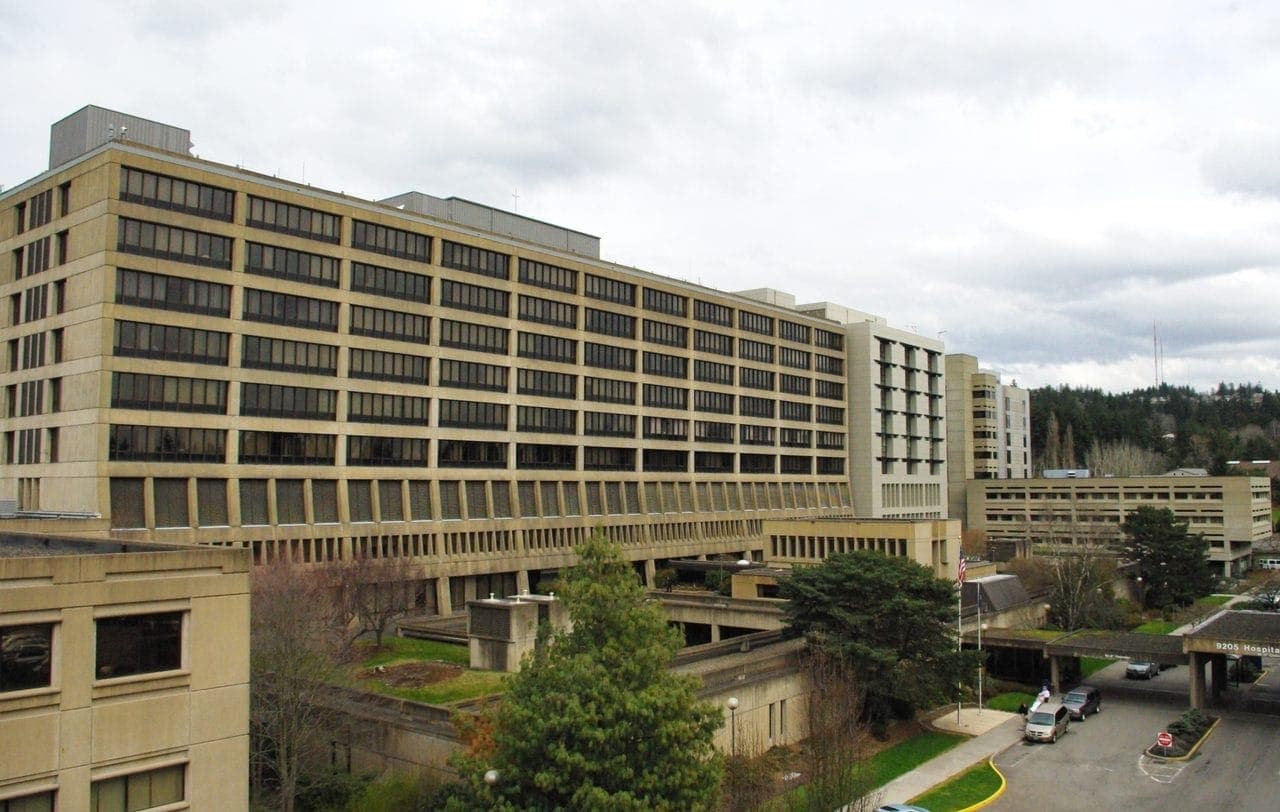

- Website: https://www.providence.org/locations/or/st-vincent-medical-center/cancer-institute-liver-pancreas-and-surgical-oncology-clinic-west?campaign_id=21305234284&utm_source=google&utm_medium=cpc&adgroup_id=159825005422&target_id=dsa-2304726966451&network=g&placement=&target=&keyword=&matchtype=&campaignid=150296&tacticid=170876&offersetid=172089&utm_campaign=sp25-7576_or_onc_hpbcancers&channel=paid_search_-_pull&source=google_adwords&gad_source=1&gad_campaignid=21305234284&gbraid=0AAAAADGgK8gG_qwI63Dq19rTvJXfdXAc_&gclid=Cj0KCQjwgIXCBhDBARIsAELC9ZicGEnW_Ml8hnMA5QVu98UPLwQACJOK00S6x1NSFV32u4Ct0txBDh4aAqI4EALw_wcB
- Employees: 3,500
- Headquarters: 9205 SW Barnes Road, Portland, Oregon
- Job board: https://providence.jobs/
- Glassdoor rating: 4.0
Providence Health & Services is a not-for-profit healthcare organization with over 120,000 caregivers operating across 52 hospitals and 1,085 clinics in Alaska, California, Montana, New Mexico, Oregon, Texas, and Washington. Providence was founded in 1875 by the Sisters of Providence and includes major facilities like Providence St. Vincent Medical Center in Oregon. Pharmacists and pharmacy technicians interested in joining the healthcare industry can find opportunities within Providence’s extensive network of medical centers and clinics. The organization emphasizes health with human connection and actively supports its caregivers through various benefits and resources. These include medical, dental, and vision insurance, paid time off, flexible spending accounts, and access to voluntary benefits such as pet insurance, legal and identity protection, and commuter benefits. Providence also offers extensive education and tuition support through its partnership with Guild and the University of Providence, covering some programs entirely and offering reimbursement up to $5,250 per year for others. Student loan guidance is available through Tuition.io, and all caregiver service qualifies for Public Service Loan Forgiveness. The organization provides career development support through internal platforms and training in fields like nursing and respiratory therapy. For employees with families, Providence offers emergency backup child and elder care through Bright Horizons. Wellness programs, including Personify Health and a diabetes management platform, are in place to promote holistic health. Retirement benefits include a 401(k) with employer match and various financial planning resources. Providence’s size, scope, and commitment to caregiver development and well-being make it a potential employer for aspiring pharmacists and pharmacy technicians seeking a supportive environment in the healthcare sector.
Publix
- Website: https://www.publix.com/pharmacy
- Employees: 255,000
- Headquarters: 3300 Publix Corporate Parkway, Lakeland, FL 33811
- Job board: https://jobs.publix.com/
- Glassdoor rating: 3.7
Publix Super Markets, Inc., headquartered in Lakeland, Florida, stands as the largest employee-owned supermarket chain in the United States. Founded in 1930 by George W. Jenkins, Publix has grown to 1,410 locations across eight Southeastern states, including recent expansion into Kentucky. The company operates nine distribution centers and eleven manufacturing facilities that supply fresh products to its stores, including baked goods, dairy, and deli items. Publix employs approximately 260,000 associates and is privately owned by current and former employees and the Jenkins family, who retain a 20% stake. With 2024 revenues reaching $60.2 billion, the company holds no long-term debt and has never conducted a layoff, emphasizing stability and a culture of internal ownership. Consistently ranked among Fortune’s 100 Best Companies to Work For, Publix places strong value on diversity, inclusion, and community involvement. Its stock is privately traded and available only to employees and board members. Leadership and growth have remained steady as Publix has expanded its physical footprint and enhanced its employee benefits and corporate responsibility practices over the decades.
Purdue University
- Website: https://www.purdue.edu/
- Employees: 24,910
- Headquarters: 610 Purdue Mall, West Lafayette, IN 47907
- Job board: https://careers.purdue.edu/
- Glassdoor rating: 4.3
Purdue University, established in 1869 and located in West Lafayette, Indiana, is a public land-grant research institution and the flagship campus of the Purdue University system. Known for its academic excellence in STEM fields, Purdue is a member of the Association of American Universities and holds an R1 classification for very high research activity. It boasts the largest student enrollment in Indiana and the ninth-largest international student population in the U.S. The university pioneered the country’s first computer science program and operates the first university-owned airport. Its global academic standing is affirmed by high rankings from U.S. News & World Report and Times Higher Education, including top spots in engineering, computer science, and interdisciplinary science. Purdue has produced 27 astronauts, 13 Nobel laureates, and recipients of prestigious honors such as the Pulitzer Prize and the Presidential Medal of Freedom. The institution emphasizes innovation, collaboration, and a sense of belonging across its four campuses, Purdue Polytechnic locations, and global initiatives like Purdue Global and Purdue University Online. Purdue cultivates a tight-knit, supportive community where individuals are encouraged to grow personally and professionally. The university supports well-being through its Healthy Boiler Wellness Program, which addresses five key areas: behavioral health, financial wellness, physical health, social wellness, and work-life integration. Recognized among Indiana’s Healthiest Employers, Purdue provides robust benefits and incentives tailored to staff classifications. Through this comprehensive support system and commitment to excellence, Purdue continues its 150-year tradition of shaping leaders, advancing discovery, and fostering an inclusive environment where people from all backgrounds can thrive and make a lasting impact.
Rockefeller University


- Website: https://www.rockefeller.edu/
- Employees: 1,793
- Headquarters: 1230 York Avenue New York, NY 10065
- Job board: https://careers.rockefeller.edu/jobs/1720?lang=en-us
- Glassdoor rating: 4.1
The Rockefeller University, founded in 1901 as The Rockefeller Institute for Medical Research by John D. Rockefeller, is the oldest biomedical research institute in the United States and a pioneer in advancing the life sciences. Created in response to widespread infectious diseases like tuberculosis and scarlet fever, the university was inspired by the scientific success of European research centers and built upon Rockefeller’s philanthropic commitment to improving public health. Initially focused on laboratory-based disease research, the university has since evolved into a leading graduate-only institution dedicated to biomedical sciences. Located on Manhattan’s Upper East Side, the campus includes the landmark Rockefeller Hospital, the first in America devoted solely to clinical research, as well as the Stavros Niarchos Foundation–David Rockefeller River Campus, which expands the university’s reach along the East River. Rockefeller’s faculty and alumni have earned 26 Nobel Prizes and made groundbreaking contributions to modern science, including the discovery that genes are made of DNA and the development of treatments for hepatitis C and fragile X syndrome. With a faculty of 82 tenured and tenure-track scientists and over 200 research and clinical staff, the university emphasizes interdisciplinary research through ten collaborative areas, such as genetics and genomics, neuroscience, and stem cell biology. It maintains a graduate program with about 255 students and offers doctoral degrees through flexible, lab-driven training. The university is also part of the Tri-Institutional MD–PhD Program in partnership with Memorial Sloan Kettering and Weill Cornell. Promoting diversity, gender equity, and public engagement, Rockefeller supports women in science, offers outreach initiatives for K-12 education, and contributes to cultural life through events like the Peggy Rockefeller Concerts. With over $2 billion invested in the past decade for research and infrastructure, Rockefeller continues to lead in scientific discovery and education.
Rush Copley Medical Center

- Website: https://www.rush.edu/rush-copley-medical-group/convenient-care?utm_source=google&utm_medium=cpc&utm_campaign=rush_copley_cc_rcmg_br&utm_content=cc_aurora&gad_source=1&gad_campaignid=20315106224&gbraid=0AAAAAD_ZGIWlwDPMjDL6pRuh0SdOQovVZ&gclid=Cj0KCQjw8vvABhCcARIsAOCfwwqZvbFy8b0uUu3ww8W8Um7XiCjnE3gzUaRAH9J6ZOqfLIulA7dcjIcaAvYPEALw_wcB
- Employees: 1,474
- Headquarters: 2000 Ogden Ave, Aurora, IL 60504, USA
- Job board: https://www.rush.edu/rush-careers
- Glassdoor rating: 3.6
Rush Copley Medical Center in Aurora, Illinois, is a 210-bed acute care hospital that has been serving the greater Fox Valley community for over 130 years. Part of the Rush University System for Health, it offers advanced services in heart and vascular care, cancer treatment, women’s health, emergency services, orthopedics, and neuroscience, with many of its outcomes exceeding national standards. The hospital holds recognitions such as Magnet designation from the American Nurses Credentialing Center, an “A” grade from The Leapfrog Group, and high rankings from U.S. News & World Report. Its cancer center is accredited by the American College of Surgeons Commission on Cancer, and its Heart and Vascular Institute is an accredited Chest Pain Center. Rush Copley also operates a Level II Trauma Center serving nearly 70,000 patients annually, and its health complex includes a fitness center with facilities for physical therapy. As part of the broader Rush University System, which includes Rush University Medical Center, Rush Oak Park Hospital, and Rush University, Rush is committed to high-quality, research-driven care and community health. The system emphasizes diversity, equity, and inclusion across all areas, supporting veterans, individuals with disabilities, immigrants, LGBTQ+ communities, and older adults through targeted programs and partnerships. Rush's culture reflects a deep commitment to racial justice and health equity, guided by policies and leadership accountability. The organization is led by Dr. Omar Lateef, President and CEO.
Safeway

- Website: https://www.safeway.com/
- Employees: 329
- Headquarters: 10501 P.O. Box 29093. Phoenix, AZ 85038
- Job board: https://www.safeway.ca/careers/pharmacy/
- Glassdoor rating: 3.2
Safeway, founded in 1915 by M.B. Skaggs in American Falls, Idaho, began with a mission to provide value through low margins and customer-first service. By 1926, Skaggs had expanded to 428 stores and merged with 322 Safeway (formerly Selig) stores, forming Safeway, Inc., which was listed on the New York Stock Exchange two years later. Today, Safeway operates as one of 20 banners under Albertsons Companies, one of the largest food and drug retailers in the United States. Safeway’s stores are primarily located in the Western and Mid-Atlantic regions and offer groceries, pharmacies, fuel centers, floral departments, bakeries, delis, and Starbucks cafés. Albertsons Companies, which owns Safeway, operates over 2,200 stores in 34 states and the District of Columbia and is supported by approximately 250,000 employees. Safeway’s headquarters is located in Pleasanton, California. Known for its social impact, Safeway contributes to Albertsons’ broader charitable initiatives. In 2019, Albertsons and its foundation donated nearly $225 million in food and financial support to areas including hunger relief, education, and veterans outreach. Safeway has also made public commitments to sustainability, announcing a shift to 100% cage-free egg sourcing by 2025 and earning praise for sustainable seafood sourcing practices. In 2013, Greenpeace ranked Safeway among the top performers in seafood sustainability. However, Safeway has also faced challenges, including an $8.5 million class action settlement in 2021 regarding its 401(k) retirement plan management. Despite such issues, Safeway continues to carry forward Skaggs’s legacy of innovation and community-focused retailing while maintaining a strong presence as part of the Albertsons Companies’ nationwide network of trusted grocery stores.
Santa Clara Valley Medical Center


- Website: https://scvmc.scvh.org/home
- Employees: 10,000
- Headquarters: 751 South Bascom Avenue, San Jose, CA 95128
- Job board: https://scvmc.scvh.org/careers/pharmacist
- Glassdoor rating: 3.7
Santa Clara Valley Medical Center (SCVMC) is a public teaching hospital that operates as part of the County of Santa Clara Health System. It has 731 beds and offers a wide range of trauma, rehabilitation, and specialty services on its main campus. SCVMC is the only hospital in Northern California that houses a Level I adult and pediatric trauma center, spinal cord and traumatic brain injury rehabilitation, burn care, and a high-level neonatal intensive care unit all in one location. The Pharmacy Department supports services across inpatient and outpatient settings, as well as public health and correctional health programs. Pharmacists and pharmacy technicians at SCVMC work in areas such as oncology, emergency medicine, infectious diseases, mental health, ambulatory care, and nutrition support. The department includes over 200 employees and incorporates medication safety and evidence-based practices into its operations. SCVMC provides experiential training to pharmacy students from the University of the Pacific and supports employee education through tuition reimbursement and education leave. Benefits for employees include fully paid health insurance for families and domestic partners, retirement plans through the California Public Employees’ Retirement System, and paid time off, including holidays, vacation, and sick leave. Retiree medical coverage is also available. SCVMC maintains affiliations with academic institutions, including Stanford University, and is known for its diverse patient population and complex clinical cases. Pharmacy professionals at SCVMC contribute to interdisciplinary teams and play an essential role in patient care across the health system. This makes SCVMC a potential workplace for students and graduates looking to enter the pharmacy profession in a large, publicly funded healthcare setting in California.
SCA Pharma
- Website: https://scapharma.com/
- Employees: 500
- Headquarters: 1901 Kellett Road Little Rock, AR 72206
- Job board: https://scapharma.com/careers/
- Glassdoor rating: 2.3
SCA Pharma is a specialized FDA-registered 503B outsourcing facility that supplies sterile admixtures and pre-filled syringes to hospitals and health systems across the United States. With headquarters in Little Rock, Arkansas and a larger facility in Windsor, Connecticut, SCA Pharma operates more than 100,000 square feet of sterile compounding and manufacturing space that meets or exceeds FDA cGMP guidelines. The company employs over 500 staff members nationwide, including licensed pharmacists and quality personnel who support its growing operations. SCA Pharma consistently recruits for roles in pharmacy, manufacturing, quality, IT, and sales, with a policy of promoting from within and a commitment to workplace inclusivity. The Little Rock facility was among the first in the 503B sector to adopt rapid sterility testing, while Windsor houses modern cleanrooms and labs built to FDA standards. Pharmacists working at SCA Pharma help deliver over 5,800 shipments per month and ensure the preparation of medications across 15 product categories. The company emphasizes quality, service, and value in its business model, offering hospitals a dependable outsourcing option that reduces waste and labor costs while improving inventory and supply chain management. Through its team-focused culture and patient-centered approach, SCA Pharma supports hospital pharmacy teams by freeing up in-house staff to focus more on direct patient care. Led by CEO Scott Luce, whose experience spans over 30 years in the pharmaceutical industry, the company continues to expand its national reach while maintaining a sharp focus on safety, compliance, and customer support. Aspiring pharmacy professionals may find SCA Pharma a compelling choice for careers in sterile compounding within a fast-paced, quality-driven environment.
Scripps Health
- Website: https://www.scripps.org/
- Employees: 20,000
- Headquarters: San Diego, California, United States
- Job board: https://careers.scripps.org/
- Glassdoor rating: 3.9
Scripps Health is a nonprofit, integrated health care system based in San Diego, California, known for its commitment to clinical excellence, innovation, and community service. Founded in 1924 by philanthropist Ellen Browning Scripps, the organization has grown to include five hospital campuses, 30 outpatient centers and clinics, hospice and home health services, and a vast network of affiliated physician offices. Serving more than 700,000 patients annually, Scripps Health is supported by 17,800 employees, 3,500 affiliated physicians, and 2,000 volunteers. With a focus on delivering high-quality, compassionate care, Scripps has earned national recognition from U.S. News & World Report, Truven Health Analytics, and Fortune magazine. It operates major clinical programs including cancer care, organ and cell transplantation, genomic medicine, and integrative medicine. The system also contributes significantly to medical research and education, with affiliations such as the Scripps Clinic and Scripps Research. Scripps Health continues to expand its footprint through campus enhancements and partnerships like its joint venture with Cornerstone Healthcare for home health services. Despite some past vendor disputes, such as its 2002 transition to MedAssets to reduce supply costs, the organization maintains a strong reputation for fiscal stewardship and transparency. Ranked among the best employers nationwide, Scripps is not just a provider of care, but a trusted health partner for the Southern California community, today and into the future.
Shields Health Solutions
- Website: https://shieldshealthsolutions.com/
- Employees: 2,500
- Headquarters: 100 Technology Center Dr, Stoughton, MA 02072, United States
- Job board: https://shieldshealthsolutions.com/careers/#/
- Glassdoor rating: 3.9
Shields Health Solutions is a specialty pharmacy accelerator that partners with health systems to improve patient access to critical medications, enhance outcomes, and support overall system growth. With a proven Shields Performance Platform and a team of experts in specialty pharmacy, Shields has established partnerships with over 80 health systems nationwide. The organization’s model helps integrate pharmacy services into clinical settings and ensures high-touch, personalized patient care. Shields is actively expanding its workforce to meet the growing demand for its services, offering numerous career opportunities for pharmacists and pharmacy technicians. Current roles include Certified Pharmacy Technicians in locations such as Elkridge, MD; Albany, NY; Kalamazoo, MI; Portland, OR; Centralia, WA; Olympia, WA; and St. Cloud, MN, some with sign-on bonuses. Additional positions such as Pharmacy Liaison and Pharmacy Refill Technician are available across various states, both onsite and remote, and there are openings for experienced pharmacy technicians and clinical pharmacists, including a Clinical Pharmacist position that allows for remote work with Indiana licensure. Managerial roles such as Pharmacy Technician Manager and Senior Pharmacy Technician are also listed in major cities like New York, NY and Columbus, IN. These roles underscore the company's need for qualified professionals capable of contributing to Shields' mission of transforming specialty pharmacy delivery. Shields emphasizes an inclusive and equitable workplace culture, has received multiple workplace excellence certifications, and continues to expand nationally. Its wide array of pharmacy-focused job openings presents a strong opportunity for students and professionals looking to enter or advance in the pharmacy field.
Sierra Staffing
- Website: https://sierrastaffing.com/
- Employees: 27,000
- Headquarters: 770 Trademark Dr. Suite 226, Reno, NV 89521
- Job board: https://sierrastaffing.com/jobs/
- Glassdoor rating: 3.8
Sierra Staffing is a boutique pharmacy recruitment and consulting firm specializing exclusively in health system pharmacy staffing. Founded in 1991, the firm has grown into one of the nation’s leading pharmacy-focused search and consulting agencies, serving academic medical centers, tertiary care facilities, and community hospitals. Led by founder and Senior Pharmacy Recruiter Bob Costa, a Certified Personnel Consultant, Sierra Staffing has over two decades of experience placing pharmacy professionals at all levels, from clinical and staff roles to senior directors. In 2010, the firm expanded its services by launching a pharmacy consulting division in partnership with five former administrative pharmacy directors from top hospitals, further strengthening its network and industry expertise. Sierra Staffing offers both contingency and retained search options and maintains a job board at hospitalpharmacyjobs.com for practicing pharmacists seeking hospital-based roles.
South Dakota State University

- Website: https://www.sdstate.edu/
- Employees: 5,000
- Headquarters: 1451 Stadium Rd, Brookings, SD 57007, United States
- Job board: https://www.sdstate.edu/human-resources/jackrabbit-way/sdsu-employment
- Glassdoor rating: 4.2
South Dakota State University (SDSU), founded in 1881, is the state’s largest and most comprehensive institution of higher education and operates as a land-grant university under the Morrill Act. Located in Brookings with additional sites in Sioux Falls, Pierre, and Rapid City, SDSU delivers education and research through seven colleges offering over 200 programs, 37 master’s degrees, 15 Ph.D. programs, and two professional degrees. SDSU is classified as an R2: Doctoral University with high research activity and reported $84 million in research expenditures for fiscal year 2024. The university has a strong emphasis on agriculture, engineering, nursing, and pharmacy, fields central to its land-grant mission. SDSU provides meaningful employment opportunities for pharmacists, pharmacy technicians, and those pursuing careers in pharmaceutical sciences through its College of Pharmacy and Allied Health Professions. Faculty and staff are supported by a benefits package that includes a 6%-8% matched retirement plan, four health insurance options, paid family leave, flexible spending accounts, and generous sick and vacation leave policies. Employees enjoy access to university amenities such as discounted wellness center memberships, free admission to McCrory Gardens, and special offers to athletic and cultural events. SDSU also supports professional growth through reduced tuition for state-supported courses and access to training resources. The university fosters work-life balance through its LiveWellSD employee wellness program and offers priority access to early childhood education centers. SDSU’s commitment to research, education, and community outreach creates a range of roles for pharmacy professionals across its campuses, research stations, and extension offices. These opportunities, along with comprehensive benefits and a collaborative academic environment, make SDSU a relevant employer for those pursuing pharmacy careers in the region.
St. Luke's Boise Medical Center

- Website: https://www.stlukesonline.org/communities-and-locations/facilities/hospitals-and-medical-centers/st-lukes-boise-medical-center
- Employees: 15,000
- Headquarters: 190 E Bannock St, Boise, ID, USA
- Job board: https://www.indeed.com/q-st-luke%27s-health-system-l-boise,-id-jobs.html?mna=&aceid=&gad_source=1&gad_campaignid=20274273818&gbraid=0AAAAADgc-H6LmD28k_BomwU3_Zc7UGeYB&gclid=Cj0KCQjwgIXCBhDBARIsAELC9ZiSR8lyCnVbIw556tS2FNua6m-ai17hTGspacUQmfyD5nkzvs9rBAwaArlXEALw_wcB&gclsrc=aw.ds&vjk=78ec376579f90ecf
- Glassdoor rating: 3.9
St. Luke’s Boise Medical Center is a 437-bed hospital located in Boise, Idaho, and part of the St. Luke’s Health System, which includes six hospitals and over 200 clinics staffed by approximately 14,000 employees. Founded in 1902, the hospital has grown extensively from its original six-bed facility to a regional healthcare leader that handled over 55,000 hospital admissions in 2017. Over the decades, St. Luke’s has expanded its capabilities with the construction of new hospital wings, a children’s hospital, upgraded emergency services, and long-term development projects. The health system hires across a broad range of healthcare professions, including pharmacy, which is grouped under its professional, service, and allied health roles alongside therapies and diagnostic services. Pharmacists and pharmacy technicians working here are supported through continuing education, tuition reimbursement, certification assistance, and advancement pathways within the organization. St. Luke’s offers competitive pay, medical and dental insurance, paid time off, retirement contributions, and additional perks such as wellness programs, employee assistance, cafeteria discounts, and childcare at select sites. Employees contribute to the only Idaho-based, not-for-profit health system that is nationally recognized for nursing excellence and patient-centered care. Those entering pharmacy roles at St. Luke’s join a mission-driven system that balances professional development with service to the region, making it a compelling employer for students preparing for careers in pharmacy and healthcare support.
Stanford Medicine


- Website: https://med.stanford.edu/health-care
- Employees: 17,200
- Headquarters: 500 Pasteur Drive, Stanford, CA 94305
- Job board: https://careers.stanfordhealthcare.org/us/en/job/R2547816/Pharmacy-Technician-Supervisor
- Glassdoor rating: 4.1
Stanford University School of Medicine, part of the broader Stanford Medicine system that includes Stanford Health Care and Lucile Packard Children's Hospital, is deeply involved in patient care, biomedical research, and health education, making it a potential destination for pharmacy-related professionals. The institution offers a range of academic and clinical opportunities supported by a longstanding tradition of innovation and interdisciplinary collaboration. Facilities such as the Beckman Center for Molecular and Genetic Medicine and the Li Ka Shing Center for Learning and Knowledge reflect Stanford’s commitment to cutting-edge science and clinical integration. Although the school’s primary programs emphasize the training of physicians and physician assistants, the presence of world-class hospitals, research centers, and medical education facilities underscores the institution’s need for a wide range of healthcare professionals, including those in pharmaceutical sciences. Stanford Medicine’s health system is among the largest employers in the Bay Area, providing a diverse array of roles across its academic, research, and clinical environments. Its application process encourages candidates to apply for multiple positions and to tailor their materials to specific roles, with a clear emphasis on finding the right match between applicants and teams. Stanford also promotes a culture of work-life balance, lifelong learning, and holistic wellness, offering a generous benefits package that supports personal and professional development. With a deep focus on diversity, inclusion, and equal opportunity, the university fosters an environment where professionals from all backgrounds can thrive. For students interested in pharmacy-related careers, the university’s expansive health system and its integration with top-ranked educational and research programs suggest a dynamic setting where pharmacy technicians or pharmacists may find meaningful and challenging roles aligned with both patient care and scientific advancement.
Strive Compounding Pharmacy
- Website: https://www.strivepharmacy.com/careers
- Employees: 245
- Headquarters: 1275 E Baseline Rd, Gilbert, AZ 85233
- Job board: https://www.strivepharmacy.com/careers
- Glassdoor rating: 4.0
Strive Compounding Pharmacy offers a compelling opportunity for those pursuing pharmacy-related careers, particularly in the area of personalized medicine. With a business model centered on customized treatments for patients’ unique health conditions, Strive supports a broad range of pharmacy services including hormone therapy, weight management, dermatology, and even veterinary medicine. Pharmacists and pharmacy technicians here work closely with healthcare providers to compound medications tailored to individual needs, rather than relying on mass-produced drugs. The company emphasizes adaptability, innovation, collaboration, and resilience in its culture, welcoming professionals who are passionate about moving away from one-size-fits-all care. Employees often describe Strive as a place where they’ve reconnected with their purpose in healthcare, and where teamwork and patient focus are central. Strive maintains a strong emphasis on employee wellbeing through comprehensive health benefits, dental and vision coverage, 401(k) retirement planning with employer matching, and financial wellness programs such as health savings accounts. Additional perks include life insurance, short-term disability coverage, generous paid time off, pet insurance, certification reimbursement, and even scrubs and meal stipends. Located across various sites in the U.S. and continuing to expand, Strive seeks pharmacy professionals who are eager to be part of a mission-driven team aiming to transform how medicine is delivered. The company prioritizes both professional development and a sense of community, making it a fitting choice for those who value patient care and a collaborative workplace environment.
Strong Memorial Hospital
- Website: https://www.urmc.rochester.edu/strong-memorial
- Employees: 26,000
- Headquarters: 601 Elmwood Avenue Rochester, NY 14642
- Job board: https://rochester.wd5.myworkdayjobs.com/UR_Staff?q=pharmacist
- Glassdoor rating: 3.9
Strong Memorial Hospital, located in Rochester, New York, is an 886-bed academic medical center that serves as the flagship facility of the University of Rochester Medical Center. Established in 1926, the hospital is affiliated with the University of Rochester School of Medicine and Dentistry and operates as a leading teaching hospital in the region. It also includes Golisano Children’s Hospital, a 190-bed pediatric facility. As a tertiary and quaternary care provider, Strong Memorial Hospital offers a wide range of specialized services including organ transplantation, trauma and burn care, cardiology, neuromedicine, and cancer care, drawing patients from across Upstate New York and the Finger Lakes region. The hospital has a long-standing reputation for delivering high-quality, research-based care and is frequently recognized among “America’s Best Hospitals” by U.S. News & World Report. Its clinical staff, including pharmacists and pharmacy technicians, are actively involved in patient care, teaching, and research, supported by faculty appointments at the university. The collaborative environment at Strong Memorial encourages interdisciplinary teamwork and promotes the integration of the latest clinical evidence into everyday practice. Patient-centered care is emphasized through transparent communication and shared decision-making. The hospital’s leadership maintains strong relationships with regulatory bodies like The Joint Commission and CMS to ensure quality and accountability. With a focus on innovation, education, and compassionate care, Strong Memorial Hospital is an appealing workplace for pharmacy professionals seeking to contribute to complex clinical settings while advancing their careers within a well-respected academic health system. The organization offers opportunities for growth, learning, and professional engagement, making it a strong choice for those interested in healthcare roles that combine academic excellence and community impact.
SUNY Upstate Medical University

- Website: https://www.upstate.edu/
- Employees: 9,460
- Headquarters: Syracuse, NY
- Job board: https://careers.upstate.edu/jobs/retail-pharmacy-technician-syracuse-new-york-united-states-5812d3bd-4fa4-438f-90b4-7ea4820e87cd
- Glassdoor rating: 4.1
SUNY Upstate Medical University, located in Syracuse, New York, is the region’s only academic medical center and the largest employer in Central New York, with over 9,400 employees. As part of the State University of New York system, it operates four colleges dedicated to health professions, including Medicine, Nursing, Health Professions, and Graduate Studies. Its healthcare system includes Upstate University Hospital, Upstate Community Hospital, Golisano Children’s Hospital, and an extensive network of outpatient facilities. The institution is home to the area’s only Level 1 adult and pediatric trauma centers, a comprehensive stroke center, and specialized units for cancer, burn, and AIDS care, reflecting its comprehensive clinical scope. SUNY Upstate invests more than $40 million annually in research targeting cancer, heart disease, diabetes, and neurological disorders, and its facilities include a Cancer Center and a Neurosciences Research Building. The university’s wide service area and community-based training sites suggest robust clinical operations that likely require a diverse healthcare workforce, including pharmacy professionals. The institution’s reach is supported by telemedicine services and regional training partnerships, expanding opportunities across different practice settings. SUNY Upstate also places value on employee recognition and engagement, offering a platform on its website where patients and colleagues can nominate outstanding team members for their contributions. Its ongoing investment in healthcare education, research, and community health indicates that it is a strong environment for those interested in pharmacy careers, particularly within academic medical centers where clinical and research roles often intersect. The scale of operations and focus on specialized care and innovation make it an important consideration for aspiring pharmacists and pharmacy technicians looking to contribute to a mission-driven healthcare system.
Tampa General Hospital

- Website: https://www.tgh.org/
- Employees: 14,000
- Headquarters: 1 Tampa General Circle, Tampa, FL 33606
- Job board: https://www.healthecareers.com/healthcare-employers/tampa-general-hospital/475528?gad_source=1&gad_campaignid=21747905659&gbraid=0AAAAADEV3cAXf-wP7Tieai84EAoALAXLg&gclid=Cj0KCQjwgIXCBhDBARIsAELC9ZhQCbqAcj-37BuG731j_y-wNM4SYZE4wMEd3VUy41uPSYH3O4coBtEaAqg1EALw_wcB
- Glassdoor rating: 3.8
Tampa General Hospital (TGH) is a private, not-for-profit academic medical center located in Tampa, Florida, serving more than four million people across West Central Florida. As one of the largest hospitals in the state with over 1,000 beds and 15,000 team members, TGH is also a major regional employer and a prominent healthcare provider. Its longstanding partnership with the USF Health Morsani College of Medicine supports a wide range of clinical research, advanced treatment programs, and training for future healthcare professionals. TGH is home to Florida’s leading organ transplant center, the region’s only Level I trauma center, and one of two ABA-verified burn centers for both adults and children in the state. The hospital’s high national rankings across eight specialties, along with its Magnet designation for nursing excellence, signal a commitment to top-tier patient care and clinical innovation. Pharmacy professionals may find opportunities within this high-acuity environment that values team-based care and academic collaboration. With a workforce of over 8,000 and a system that includes trauma, transplant, and pediatric care, pharmacy roles may be integrated across specialty departments. TGH also invests in staff development, offering competitive compensation and a team-centered culture that has earned national workplace recognitions, including awards from Forbes, Newsweek, Glassdoor, and Becker’s Hospital Review. For students and professionals considering pharmacy careers in large academic health systems, TGH offers a combination of cutting-edge medical services, strong institutional partnerships, and a commitment to career growth in a dynamic, well-respected healthcare setting.
Temple University Health
- Website: https://www.templehealth.org/
- Employees: 12,000
- Headquarters: 1331 E. Wyoming Ave. Philadelphia, PA 19124
- Job board: https://tuhs.taleo.net/careersection/tuhs_ex/jobsearch.ftl?lang=en
- Glassdoor rating: 3.7
Temple Health, also known as Temple University Health System, is a nonprofit academic health network based in Philadelphia, Pennsylvania. Founded in 1891 as Samaritan Hospital to serve the city's underserved, it has grown into one of the region's premier health systems. Its flagship, Temple University Hospital, is a major academic medical center affiliated with the Lewis Katz School of Medicine. The system includes Fox Chase Cancer Center, an NCI-designated cancer institute, and campuses like Jeanes, Episcopal, and Northeastern, as well as community-based practices through Temple Physicians, Inc. Temple Health employs over 12,000 staff across more than 990 licensed beds and offers services in highly specialized and complex care. Benefits include comprehensive health insurance, retirement plans with employer contributions, tuition assistance, paid time off, and wellness programs. Through cutting-edge research, technology, and education, Temple Health is committed to delivering tomorrow’s treatments today and supporting the professional growth of its team members.
Texas Tech University Health Sciences Center

- Website: https://www.ttuhsc.edu/
- Employees: 21,000
- Headquarters: 3601 4th Street, Lubbock, TX 79430, USA.
- Job board: https://www.healthecareers.com/healthcare-employers/texas-tech-university-health-sciences-center/462008?gad_source=1&gad_campaignid=21747905659&gbraid=0AAAAADEV3cAXf-wP7Tieai84EAoALAXLg&gclid=Cj0KCQjwgIXCBhDBARIsAELC9ZiWnO_X_rWPdFB4dWZtADnj1o6jY5-wLYrWI49ZZiMbTewWAf8yRd0aAhhTEALw_wcBB
- Glassdoor rating: 3.7
Texas Tech University Health Sciences Center (TTUHSC) is a public medical institution headquartered in Lubbock, Texas, with additional campuses in Abilene, Amarillo, Dallas, and the Permian Basin, and serves over 100 counties in western Texas. TTUHSC operates a School of Pharmacy with its administrative center in Amarillo and regional campuses in Lubbock, Dallas, and Abilene. Pharmacy professionals may find opportunities at TTUHSC’s numerous clinical and research settings, including the TTUHSC Pharmacy, which provides services to the Texas Department of Criminal Justice, the International Pain Institute, the Garrison Geriatric Center, and TTUHSC clinics across multiple cities. Additionally, TTUHSC pioneered telepharmacy in Texas, delivering remote pharmacy services to rural communities such as Turkey and Earth. The School of Pharmacy houses departments such as Pharmacy Practice, Pharmaceutical Sciences, and Immunotherapeutics and Biotechnology, offering pharmacists and technicians exposure to diverse clinical, academic, and research roles. TTUHSC is known for its long-standing impact on healthcare in the region, with over 80% of its pharmacy graduates staying to practice in Texas. The university is consistently recognized as a “Great College to Work For,” offering employees a generous compensation and benefits package that includes comprehensive health insurance, retirement programs, tuition assistance, paid holidays, wellness initiatives, and professional development support. On-site pharmacies, employee wellness clinics, and counseling services further support staff well-being. TTUHSC promotes a values-driven workplace centered around service, integrity, and teamwork, and offers unique perks such as access to university libraries, athletic discounts, and continuing education programs. Pharmacy professionals joining TTUHSC become part of a mission to transform healthcare through innovation, education, and collaboration while contributing to a vital academic health system that significantly improves access to care across West Texas.
The Cigna Group

- Website: https://www.thecignagroup.com/
- Employees: 64,000
- Headquarters: Bloomfield, Connecticut, United States.
- Job board: https://jobs.thecignagroup.com/us/en
- Glassdoor rating: 3.6
The Cigna Group is a global health services and insurance company headquartered in Bloomfield, Connecticut, serving over 178 million customer relationships across more than 30 countries and jurisdictions. With approximately 64,000 employees, Cigna offers a range of products including medical, dental, disability, life, and accident insurance, primarily through employer-sponsored plans and government programs. The company operates through two major divisions: Cigna Healthcare and Evernorth Health Services, the latter formed in 2020 to encompass pharmacy, care coordination, and data-driven health solutions. In 2023, Cigna ranked 15th on the Fortune 500 list, with $180.5 billion in annual revenue. Strategic milestones include its 2018 acquisition of Express Scripts for $67 billion and a 2024 agreement to sell its Medicare Advantage and related businesses to Health Care Service Corporation for $3.7 billion. Cigna has been recognized for customer service and workplace flexibility, earning multiple J.D. Power awards and Gartner accolades. However, the company has faced criticism, including a 2023 ProPublica report stating that company doctors used software to deny claims without reviewing patient files, and past litigation over its role in denying a liver transplant in a high-profile 2007 case. In 2020, the U.S. Department of Justice filed a lawsuit alleging Medicare fraud totaling $1.4 billion. Cigna has also been involved in several merger attempts, including a failed $48 billion deal with Anthem in 2017. Despite controversies, Cigna continues to be a significant player in the healthcare industry, with a focus on innovation, global expansion, and integrated health solutions.
The University of Oklahoma


- Website: https://www.ou.edu/
- Employees: 18,000
- Headquarters: 660 N Parrington Oval, Norman, OK 73019, US.
- Job board: https://jobs.ou.edu/
- Glassdoor rating: 4.1
The University of Oklahoma (OU), founded in 1890, is a public research university headquartered in Norman, Oklahoma. With an enrollment of 34,523 students in Fall 2024 and nearly 4,000 faculty members, OU stands as one of the largest employers in the state. The university offers an impressive range of academic programs, including 174 bachelor’s, 199 master’s, 101 doctoral, and 88 certificate programs. It is classified as an R1 institution, highlighting its very high research activity, with over $416 million in research expenditures in 2022 across its three campuses. OU has earned national acclaim not only for its academic excellence but also for its athletic achievements, holding 45 NCAA team championships and 215 Academic All-American honors. The campus hosts cultural gems such as the Fred Jones Jr. Museum of Art and the Sam Noble Oklahoma Museum of Natural History. As a workplace, OU is highly regarded, having been named a top employer in the state and one of America’s best employers. Employees enjoy a comprehensive benefits package, including partially or fully paid health, dental, life, and disability insurance, as well as flexible spending accounts and voluntary retirement plans. The university also offers generous paid time off, 14 holidays annually, and between 18 to 22 PTO hours monthly. Retirement benefits include university-contributed 401(a) plans, access to the Oklahoma Teachers’ Retirement System, and optional 403(b) and 457(b) plans. Staff benefit from working in a vibrant academic environment with access to ongoing university events, research opportunities, and proximity to the Oklahoma City metro area, all while enjoying a small-town atmosphere in Norman. The university's commitment to innovation, tradition, and community makes it a desirable workplace for those pursuing careers in education, research, administration, or healthcare-related roles such as pharmacy.
Thomas Jefferson University Hospital
- Website: https://www.jeffersonhealth.org/locations/thomas-jefferson-university-hospital
- Employees: 13,000
- Headquarters: 111 S 11th St, Philadelphia, PA 19107
- Job board: https://jeffersonhealth.wd5.myworkdayjobs.com/ThomasJeffersonExternal
- Glassdoor rating: 3.6
Thomas Jefferson University Hospital, the flagship facility of Jefferson Health, is a non-profit academic medical center based in Philadelphia. Established in 1825 as the Infirmary of Jefferson Medical College, it has grown into one of the largest and most respected hospitals in Pennsylvania, with 937 licensed acute care beds and 63 operating rooms across five locations, including Jefferson Hospital for Neuroscience and Methodist Hospital. It serves as the teaching hospital for Thomas Jefferson University and provides comprehensive care to patients in the greater Philadelphia area, Delaware, and South Jersey. The hospital has earned national recognition, ranking third in Pennsylvania and second in Philadelphia by *U.S. News & World Report* for 2022–2023, and previously placing among the top hospitals in the nation across 11 specialties. Jefferson has been awarded Magnet recognition multiple times for nursing excellence. The hospital has been a leader in medical innovation, achieving milestones such as the invention of the heart-lung machine by John H. Gibbon Jr., the development of the Jefferson Ventilator, and the performance of the first successful laryngotomy for vocal cord cancer. Faculty and residents have pioneered techniques and devices in ultrasound imaging, surgical stapling, at-home dialysis, and laparoscopic surgery. Jefferson has also been at the forefront of heart failure treatment, being the first in Pennsylvania to implant the Jarvik 2000® Heart Assist System. The hospital continues to emphasize research, education, and compassionate clinical care. As an employer, Jefferson fosters a mission-driven environment that values service excellence, professional growth, and community engagement. It offers staff opportunities for continuing education and innovation while supporting initiatives that benefit both patients and the broader Philadelphia community.
Triangle Compounding
- Website: https://trianglecompounding.com/
- Employees: 50
- Headquarters: 3700 Regency Parkway, Suite 140, Cary, NC 27518
- Job board: https://trianglecompounding.com/about-us/career-opportunities/
- Glassdoor rating: N/A
Triangle Compounding Pharmacy is a specialized compounding pharmacy that prepares customized medications for both human and veterinary patients. Located in the United States and accredited by the Pharmacy Compounding Accreditation Board (PCAB), the pharmacy has passed an extensive on-site inspection and meets or exceeds national standards for quality and safety. Their pharmacists prepare individualized prescriptions, such as capsules, injectables, topicals, and other dosage forms, based on a written prescription from a licensed provider. These customized medications are offered by the pharmacy to patients requiring a different strength, formulation, or ingredient exclusion not available in commercially manufactured drugs. Triangle emphasizes continuous quality improvement, uses high-grade chemicals and equipment, and employs a highly qualified team. The pharmacy offers services to patients, providers, and medical facilities, along with free or expedited shipping options. Their workplace culture supports pharmacists and pharmacy technicians through competitive compensation, insurance benefits, PTO, holidays, and a 401K/profit-sharing plan. Triangle’s mission is to support patient wellness through high-quality, personalized compounded medications, making it a potential career option for pharmacy students or graduates interested in customized care and patient-specific therapy.
UAB

- Website: https://www.uabmedicine.org/
- Employees: 28,000
- Headquarters: 1720 2nd Ave South Birmingham, AL 35294
- Job board: https://www.uabmedicine.org/careers/pharmacy/
- Glassdoor rating: 3.9
The University of Alabama at Birmingham (UAB), a major public research university and academic medical center, is Alabama’s largest single employer and a vital part of the state’s healthcare system. With more than 24,200 faculty and staff and a total employment impact of over 107,000 jobs statewide, UAB contributes more than $12.1 billion to Alabama’s economy. UAB Medicine operates one of the largest academic medical centers in the country, delivering over 87.5 million medical clinic visits, 139,059 emergency department visits, nearly 96,000 patient discharges, more than 4,000 births, and dispensing 29.4 million doses of medication annually. The health system includes over 1,650 active physicians and performs more than 15,000 robotic surgeries, supporting a wide range of specialties and services that demand skilled pharmacy professionals and technicians. UAB’s significant investment in research, with $780 million in research expenditures in 2023, further positions it as a leader in biomedical innovation and patient care. The scale of its operations and the volume of clinical services make UAB a strong career destination for those in pharmacy, offering opportunities within its expansive hospital system and clinics. UAB also demonstrates a commitment to fostering a supportive work environment by publicly recognizing staff achievements. Through its website, UAB provides a platform for patients, families, and colleagues to nominate employees for their outstanding service, highlighting the institution’s culture of appreciation and excellence in healthcare.
UAB Hospital

- Website: https://www.uabmedicine.org/locations/uab-hospital/
- Employees: 20,000
- Headquarters: 1802 6th Avenue South, Birmingham, AL 35233
- Job board: https://www.uabmedicine.org/careers/search-open-jobs/
- Glassdoor rating: 3.9
UAB Hospital, also known as University Hospital, is a 1,207-bed tertiary care and academic health science center located in Birmingham, Alabama. It is the only Level I Trauma Center verified by the American College of Surgeons in the state and serves as the primary teaching hospital for the UAB School of Medicine. UAB Hospital is part of the UAB Health System and includes specialty clinics and affiliations throughout Alabama. As the largest single-site employer in the state with over 22,000 employees, it offers a range of healthcare services including 12 specialty intensive care units, a regional neonatal ICU, a comprehensive stroke center, and an NCI-designated Comprehensive Cancer Center. Its recognized specialties include rheumatology, cardiology, gynecology, kidney disease, oncology, and orthopedics. UAB Hospital has earned national recognition through rankings by U.S. News & World Report and awards such as the Consumer Choice Award. For pharmacists and pharmacy technicians, UAB Medicine presents a broad scope of career opportunities in a large academic medical environment. Employees benefit from competitive pay, flexible schedules, paid parental and donor leave, and comprehensive health plans. The Educational Assistance Program provides 100% tuition coverage at UAB without a work contract, supporting further academic growth. UAB is also a qualifying employer for the Public Service Loan Forgiveness Program. Staff have access to training and development programs, wellness resources, childcare, and discounts at local businesses. With a strong emphasis on professional development and recognition, UAB Medicine offers aspiring pharmacy professionals a supportive environment to build a meaningful and lasting career within one of the nation's leading academic health centers.
UC Davis Health
- Website: https://health.ucdavis.edu/welcome/
- Employees: 20,000
- Headquarters: 4301 X St, Sacramento, CA 95817
- Job board: https://health.ucdavis.edu/pharmacy/Ourteam/careers
- Glassdoor rating: 3.8
UC Davis Health, headquartered in Sacramento, California, is a leading academic health system affiliated with the University of California, Davis. It includes a 653-bed acute-care teaching hospital, the UC Davis School of Medicine, the Betty Irene Moore School of Nursing, and a 1,000-member physician practice group. The institution operates nationally recognized centers, including an NCI-designated Comprehensive Cancer Center, a Level I adult and pediatric trauma center, the UC Davis MIND Institute for neurodevelopmental disorders, and a top-ranked children’s hospital. In 2023, UC Davis Health reported direct expenditures of $1.84 billion, generating a total economic impact of $4.01 billion in the region and supporting over 30,000 jobs directly and indirectly. The institution collaborates with UC Davis’ Schools of Veterinary Medicine, Agriculture, Biological Sciences, and Engineering, forming one of the most comprehensive academic health systems in the country. UC Davis Health plays a critical role in advancing telemedicine, reducing health disparities, and translating research into new treatments. Its scale, research infrastructure, and range of services make it a significant potential employer for students pursuing pharmacy-related careers in clinical, research, or community health settings.
UC Irvine Medical Center

- Website: https://www.ucihealth.org/
- Employees: 7,000
- Headquarters: 01 The City Drive South, Orange, CA 92868.
- Job board: https://jobs.uci.edu/careers-home/
- Glassdoor rating: 3.4
The University of California, Irvine Medical Center (UCIMC), located in Orange, California, is the primary teaching hospital for the UCI School of Medicine and a major research and clinical facility within the UC Irvine Health system. With more than 400 specialty and primary care physicians, UCIMC offers a wide range of acute and general care services, including cancer care, neurology, neurosurgery, orthopedics, and women’s health. It is recognized as Orange County’s only university hospital and features several specialized programs, including the county’s only Level I trauma center, a multiple-organ transplant center, and the National Cancer Institute-designated Chao Family Comprehensive Cancer Center. For individuals pursuing careers as pharmacists or pharmacy technicians, UCIMC presents a viable employment option within an academic medical setting that values advanced medical practices and interdisciplinary collaboration. As part of the University of California system, UCI Health offers employees a robust benefits package, including various health insurance options, retirement plans, wellness initiatives, and tuition assistance. The institution emphasizes a strong workplace culture built on diversity, equity, inclusion, and belonging. Employees at UCIMC are supported with flexible work options, employee wellness programs, mental health counseling, and professional development resources. Opportunities at UCIMC may appeal to those seeking to work in an environment that combines cutting-edge healthcare delivery with academic research and education. As Orange County’s second-largest employer and an institution consistently ranked for excellence in healthcare services and diversity practices, UCIMC offers pharmacy professionals a chance to contribute to patient care and innovation in a high-performing, inclusive environment dedicated to advancing medical knowledge and serving the community.
UC San Diego


- Website: https://ucsd.edu/
- Employees: 41,773
- Headquarters: 9500 Gilman Drive, La Jolla, CA 92093
- Job board: https://careers.stanfordhealthcare.org/us/en
- Glassdoor rating: 4.0
UC San Diego is a major public research university and one of the top 15 research institutions worldwide, known for its culture of innovation and interdisciplinary collaboration that drives economic and societal impact. As a student-centered and research-focused institution, UC San Diego offers more than 200 undergraduate and graduate degree programs and enrolls over 43,000 students. The university has 12 undergraduate, graduate, and professional schools, including the Skaggs School of Pharmacy and Pharmaceutical Sciences, which reflects its direct involvement in the education and training of future pharmacists. The Skaggs School provides opportunities that may align with pharmacy-related careers in both academic and clinical environments. With a strong affiliation with research centers like Scripps Research and the Sanford Consortium, and a renowned health system, UC San Diego supports an infrastructure where pharmacy professionals can contribute meaningfully to patient care and medical research. The university’s inclusive Strategic Plan for Inclusive Excellence promotes a diverse workforce and inclusive climate, which is central to achieving excellence in education, research, and healthcare. UC San Diego’s emphasis on curiosity, community service, and the pursuit of bold ideas is reflected in its broad spectrum of career opportunities across academic and healthcare settings. As part of its mission to develop changemakers, the university recognizes that every role contributes to a larger purpose, and this philosophy may resonate with pharmacy students who aim to make a difference in patient care, public health, and scientific discovery. UC San Diego’s scale, scope, and commitment to inclusive excellence make it a compelling option for those pursuing pharmacy or pharmacy technician careers in academic health systems.
UChicago Medicine
- Website: https://www.uchicagomedicine.org/find-a-location/uchicago-medicine-mitchell-hospital-hyde-park
- Employees: 20,000
- Headquarters: 5841 S Maryland Ave, Chicago, IL 60637
- Job board: https://careers-ucm.icims.com/jobs/search?ss=1&searchKeyword=Pharma
- Glassdoor rating: 3.5
The University of Chicago Medicine, headquartered in Hyde Park on the South Side of Chicago, is a prominent academic medical institution originally established in 1927. It forms part of a broader medical system that includes the Pritzker School of Medicine, the Biological Sciences Division, and the University of Chicago Medical Center. UChicago Medicine has grown into a regional healthcare network with multiple hospitals and clinics across metropolitan Chicago and Northwest Indiana. It employs nearly 850 attending physicians, around 2,500 nurses, and more than 1,100 residents and fellows. The main campus features several key facilities, including the Center for Care and Discovery, Bernard A. Mitchell Hospital, Comer Children's Hospital, and the Duchossois Center for Advanced Medicine. Known for its contributions to medical research, the institution received $168 million in NIH funding as of 2019 and has a legacy of 12 Nobel laureates affiliated with its medical programs. UChicago Medicine offers a comprehensive range of specialty services through over 40 institutes and centers, including a National Cancer Institute-designated Comprehensive Cancer Center. The organization is led by Mark Anderson, MD, PhD, and Thomas Jackiewicz, who serve as the dean and president, respectively. It maintains a strong reputation for academic excellence and innovation in healthcare, while its past decision to close and later reopen its adult trauma center has been a subject of public debate. As a workplace, UChicago Medicine places high value on diversity, professional development, and work-life balance, providing benefits like extensive tuition reimbursement, mentorship programs, flexible scheduling, and wellness support. These offerings make it an attractive employer for pharmacists and pharmacy technicians seeking a dynamic and supportive environment within a world-class academic medical setting.
UCLA Health
- Website: https://www.uclahealth.org/
- Employees: 35,400
- Headquarters: 757 Westwood Plaza, Los Angeles, CA 90095
- Job board: https://www.uclahealthcareers.org/
- Glassdoor rating: 3.9
UCLA Health, one of the most advanced healthcare systems in the world, is a major public academic health organization based in Los Angeles that integrates five hospitals and more than 280 community clinics across Southern California and the Central Coast. With over 35,000 employees, including 5,700 registered nurses and 3,650 clinical faculty, it provides a wide range of healthcare services through facilities like Ronald Reagan UCLA Medical Center, UCLA Mattel Children’s Hospital, Stewart and Lynda Resnick Neuropsychiatric Hospital, UCLA Santa Monica Medical Center, and the recently acquired UCLA West Valley Medical Center. UCLA Health plays a central role in training healthcare professionals, with nearly 860 medical students, 436 doctoral students, and more than 1,300 medical residents and fellows annually. It is also internationally recognized for its biomedical research, receiving over $1 billion in research funding in a recent year, including $390 million from the National Institutes of Health. UCLA Health is home to several breakthroughs in areas such as cancer treatment, organ transplants, gene therapy, and stroke care, and it consistently ranks among the top hospitals in the country by U.S. News & World Report. Employment at UCLA Health includes access to a wide range of benefits and a strong emphasis on employee engagement, inclusion, and professional development. With 81 percent of staff reporting that they have at least one person at work they can truly trust, and 89 percent expressing pride in their workplace, UCLA Health maintains an environment that fosters growth, collaboration, and long-term career satisfaction. It has also received numerous workplace honors, including recognition from Forbes and Newsweek, positioning it as an attractive destination for professionals seeking a career in health care, including pharmacy and pharmacy technician roles across its expansive network.
UF Health Shands Hospital
- Website: https://ufhealth.org/locations/uf-health-shands-hospital
- Employees: 14,400
- Headquarters: 1600 SW Archer Road, Gainesville, FL 32608
- Job board: https://jobs.ufhealth.org/careers-home/jobs?keywords=Pharmacist
- Glassdoor rating: 3.8
UF Health Shands Hospital, the flagship teaching hospital of the University of Florida in Gainesville, is a leading academic medical center and part of the broader UF Health system. The hospital traces its origins to the efforts of Florida Senator William A. Shands, who championed the creation of a teaching hospital in Gainesville, resulting in the opening of the UF Teaching Hospital in 1958 and its later renaming in his honor. Today, UF Health Shands is a 1,111-bed tertiary care center with 241 intensive care beds, serving as a Level I trauma center and a prominent organ-transplant facility. It is integrated into the J. Hillis Miller Health Science Center, which includes six colleges: Dentistry, Health Professions, Medicine, Nursing, Pharmacy, and Veterinary Medicine, making the University of Florida one of the few institutions to house all these disciplines in one academic health center. Adjacent to the Veterans Affairs Medical Center and connected to major research buildings, Shands emphasizes clinical care, research, and education. The system expanded with the addition of the 500,000-square-foot Cancer Hospital in 2009 and the Heart & Vascular and Neuromedicine hospitals in 2017, a $450 million facility with advanced surgical suites and intensive care units. The UF Shands Children's Hospital, with 208 beds, is a leading pediatric center and a Level I Pediatric Trauma Center. Shands also operates specialty facilities, including the Rehab Hospital, Psychiatric Hospital, and multiple emergency centers. In 2020, UF Health Shands was ranked the second-best hospital in Florida by U.S. News & World Report. Committed to excellence, UF Health fosters a supportive, innovative environment for professionals dedicated to improving health outcomes across generations.
UMass Memorial Medical Center
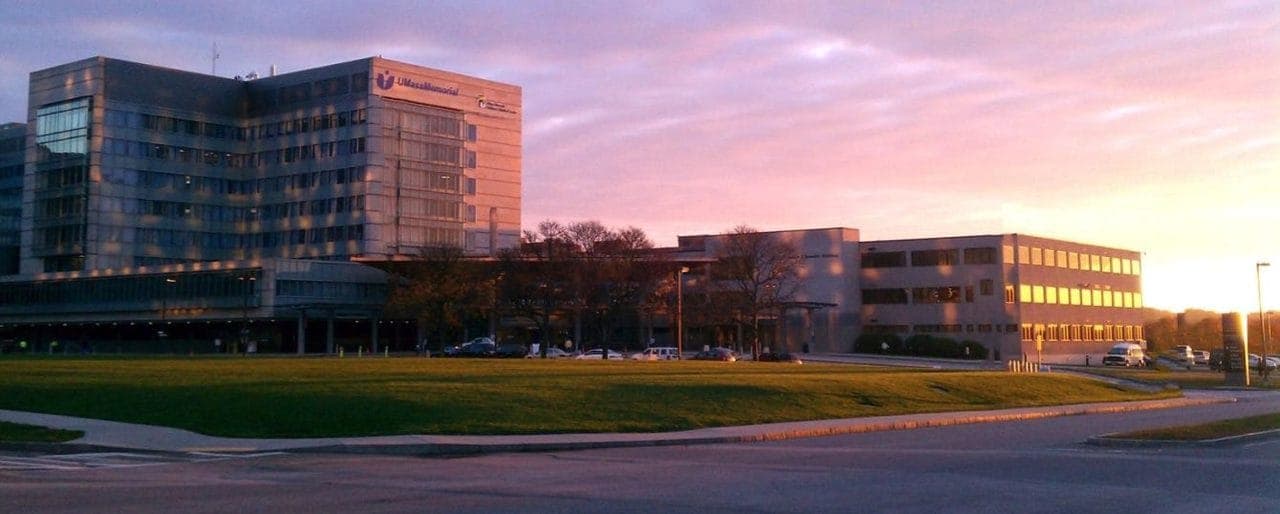

- Website: https://www.ummhealth.org/
- Employees: 9,024
- Headquarters: 55 Lake Avenue North, Worcester, MA 01655
- Job board: https://www.ummhealth.org/careers
- Glassdoor rating: 4.1
Intermountain Medical Center, located in Murray, Utah, is the flagship hospital of Intermountain Healthcare and serves as a major adult referral center for six surrounding states and over 75 regional healthcare institutions. It opened in 2007 and includes 504 beds, functioning as a Level I trauma center accredited by the American College of Surgeons. The facility also holds accreditation from the Commission on Accreditation of Rehabilitation Facilities and features specialized centers for women’s and newborn care, heart and lung care, emergency and trauma services, outpatient services, and cancer care. Intermountain Medical Center was recognized alongside University of Utah Hospital as one of the top hospitals in the state by U.S. News & World Report for 2015-2016. The Intermountain Cancer Center at the facility earned APEx accreditation from the American Society for Radiation Oncology, indicating high standards in patient-centered radiation oncology care. Intermountain Health, the parent organization, is a large nonprofit health system operating 33 hospitals and over 400 clinics across Utah, Idaho, Nevada, Colorado, Montana, and Wyoming. Pharmacists and pharmacy technicians interested in joining Intermountain Health may benefit from the organization’s strong focus on employee development, career flexibility, and support programs. Intermountain offers benefits such as health, dental, and vision insurance, education assistance including tuition reimbursement and debt-free degree partnerships, and a wellness program encouraging healthy living. Additionally, mentoring, coaching, peer support, and mental health counseling are available to staff and their families. These initiatives reflect Intermountain’s commitment to cultivating long-term careers and providing a supportive environment for healthcare professionals, including those in pharmacy roles.
UNC Health
- Website: https://www.unchealth.org/home
- Employees: 40,000
- Headquarters: 101 Manning Drive, Chapel Hill, North Carolina 27516, US
- Job board: https://jobs.unchealthcare.org/jobs/16119790-inpatient-pharmacy-tech-ii-certified
- Glassdoor rating: 3.8
UNC Health is a comprehensive healthcare system in North Carolina that employs approximately 33,000 people and serves patients across all 100 counties and beyond. Pharmacists and pharmacy technicians may find opportunities for employment throughout the system’s owned and managed facilities, which include hospitals, clinics, and specialty centers. UNC Health's owned entities include UNC Hospitals, UNC Health Caldwell, UNC Health Chatham, UNC Health Alliance, UNC Health Johnston, UNC Health Rex, UNC Rex Holly Springs, UNC Health Rockingham, and Shared Services. These facilities are divided into two payroll systems: State and NC Health. The State payroll includes UNC Medical Center, UNC Hillsborough, Youth Behavioral Health Hospital, and UNC Faculty Physicians, while NC Health encompasses the other core facilities. In addition, UNC Health manages partner facilities such as Onslow Memorial Hospital, UNC Health Appalachian, UNC Health Blue Ridge, UNC Health Lenoir, UNC Health Nash, UNC Health Pardee, UNC Health Southeastern, and UNC Health Wayne. Benefits across UNC Health are comprehensive and represent about 35 percent of total compensation, including traditional health insurance, mental health resources, academic assistance, and discounts. There are also bonus and incentive programs available for new hires, depending on the facility. Pharmacists and pharmacy technicians who join UNC Health can be part of an organization that supports innovation and patient care through strong affiliations with the UNC School of Medicine. The system focuses on translating research into clinical practice and offers employees career development and well-being support. With a wide network of hospitals and practices, UNC Health presents a range of employment possibilities for those pursuing careers in pharmacy across different regions of North Carolina.
University of Arizona


- Website: https://www.arizona.edu/
- Employees: 20,436
- Headquarters: 1200 E University Blvd, Tucson, AZ 85721, United States
- Job board: https://talent.arizona.edu/
- Glassdoor rating: 4.1
The University of Arizona, established in 1885 in Tucson, is the state's first public university and a leading R1 land-grant research institution governed by the Arizona Board of Regents. With over 53,000 students enrolled across 22 colleges and schools, including the College of Medicine in both Phoenix and Tucson, it is Arizona’s only member of the prestigious Association of American Universities. Under the leadership of President Robert C. Robbins, the university has developed strong partnerships with Banner – University Medical Centers and is nationally recognized for its research output, exceeding $1 billion in expenditures in FY2024. UArizona ranks among the top 25 public flagship universities and is in the top 20 for public research institutions according to the National Science Foundation. It has also earned global recognition, ranking in the top 1 percent of all higher education institutions per the Center for World University Rankings and placing #4 in space sciences and #1 in water resources. The university is especially committed to supporting veterans and service members, consistently placing in the top 5 among public universities for this population. Internships are a major focus, with strong support from the office of Student Engagement and Career Development, enabling students to build industry connections and improve job placement outcomes after graduation. Through initiatives like the Mel and Enid Zuckerman Center for Health and Medical Careers, the university collaborates with local partners such as the Pima Joint Technical Education District to prepare high school students for future roles in health and veterinary science. Students pursuing pharmacy-related fields benefit from the university’s academic medical centers and its emphasis on clinical, public health, and biomedical research. With a reputation for innovation, community impact, and strong employer partnerships, the University of Arizona offers meaningful career pathways in health sciences and beyond.
University of California, Irvine
- Website: https://uci.edu/
- Employees: 33,000
- Headquarters: 501 Aldrich Hall, Irvine, CA 92697
- Job board: https://jobs.uci.edu/careers-home/
- Glassdoor rating: 4.2
The University of California, Irvine, established in 1965 and based in Irvine, is a major public land-grant research university within the University of California system. It serves over 30,000 undergraduate and 7,000 graduate students and is classified as an R1 institution for very high research activity, with over $600 million in research expenditures in 2023. UCI administers the UC Irvine Medical Center, a large teaching hospital in Orange, and offers numerous career pathways for pharmacy-related professionals through its extensive health sciences system. Known for academic strength and innovation, UCI has earned a strong public reputation and holds membership in the Association of American Universities. UCI Health is recognized nationally, ranking among the best hospitals for over two decades, and includes the county’s only level one trauma center and an NCI-designated cancer center. As Orange County’s second-largest employer, UCI offers a wide range of job opportunities across over 40 career families, including roles suited for pharmacists and pharmacy technicians in hospital, clinical, and research settings. The university is known for its employee-centered culture, offering extensive wellness programs, mental health support, and professional development resources. It promotes diversity, equity, inclusion, and belonging through comprehensive workplace policies. Forbes has ranked UCI among America’s best employers for diversity, and it continues to receive high marks for academic access and value. With flexible work options, strong health and retirement benefits, and a commitment to personal and professional growth, UCI and UCI Health provide an inclusive and forward-thinking environment for professionals in the pharmacy field and beyond.
University of Cincinnati

- Website: https://www.uc.edu/
- Employees: 15,000
- Headquarters: Cincinnati, Ohio, United States
- Job board: https://www.uc.edu/careers.html
- Glassdoor rating: 4.0
The University of Cincinnati (UC), a public research university founded in 1819 and located in Cincinnati, Ohio, offers a wide range of academic and employment opportunities, including roles for pharmacists and pharmacy technicians within its medical college and affiliated teaching hospital. With an enrollment of over 53,000 students in 2024, UC is Ohio's second-largest university and a major economic force in the region. The university includes 14 colleges offering programs across disciplines such as medicine, engineering, and business. UC’s medical college is known for biomedical research achievements, including the development of diphenhydramine and the oral polio vaccine, and offers real-world experience through its nationally recognized cooperative education program. For aspiring pharmacy professionals, this environment provides pathways to clinical and research positions as well as internships and cooperative experiences that enhance practical skills. UC is the largest employer in the Cincinnati region and offers competitive benefits to attract and retain staff. These include immediate eligibility for medical, dental, and vision coverage, generous paid time off, tuition remission for employees and dependents, and access to wellness programs and financial benefits such as retirement contributions and low-interest employee loans. Although it does not contribute to federal Social Security, UC provides participation options in state or alternative retirement plans. Employment at UC provides access to various campus activities and services, including discounted athletic events and performances. With its classification as an R1 research institution and its high rankings for co-op and internship programs, UC offers strong support for those pursuing careers in pharmacy and related health professions through both education and employment.
University of Connecticut


- Website: https://uconn.edu/
- Employees: 12,997
- Headquarters: 352 Mansfield Road, Storrs, CT 06269.
- Job board: https://jobs.hr.uconn.edu/en-us/listing/
- Glassdoor rating: 4.2
The University of Connecticut, founded in 1881 and headquartered in Storrs, is the largest public university in Connecticut with over 32,000 students and 1,500 faculty. Known as UConn, it is a public land-grant research university classified as R1 for very high research activity and has earned national recognition for its academic excellence and athletic programs. The university houses fourteen schools and colleges, including a well-established School of Pharmacy, making it a significant institution for aspiring pharmacists and pharmacy technicians. UConn Health, which includes the Schools of Medicine and Dental Medicine, UConn John Dempsey Hospital, and UConn Medical Group, provides professional opportunities in patient care, research, and education. These facilities create a strong pipeline for pharmacy graduates into clinical and research roles across Connecticut. UConn has a positive public reputation as a top-ranked value in higher education and is known for its success in producing Fulbright Scholars and environmentally responsible practices. As a workplace, UConn is recognized for its inclusive policies and strong commitment to diversity, equity, and equal opportunity employment. Employees benefit from opportunities for advancement within a dynamic and intellectually stimulating environment. UConn Health also offers support for individuals with disabilities and promotes fair hiring practices statewide. With its extensive reach, academic strength, and commitment to public service, the University of Connecticut remains an attractive destination for students and professionals seeking careers in pharmacy and related health fields.
University of Florida
- Website: https://www.ufl.edu/
- Employees: 365
- Headquarters: Gainesville, Jacksonville and Orlando
- Job board: https://careers.pharmacy.ufl.edu/
- Glassdoor rating: 4.2
The University of Florida in Gainesville, established in 1853, is one of the largest and most comprehensive public universities in the United States, with over 54,000 students enrolled as of Fall 2023. It operates 16 academic colleges, including one of the nation's top colleges of pharmacy, and is designated as an R1 research institution, indicating very high research activity. With a large and diverse workforce, UF is home to extensive healthcare, research, and academic operations that suggest strong pathways for pharmacy technicians and pharmacists, particularly within its healthcare system and research facilities. Employees at UF benefit from a wide range of support services, including tuition assistance through the Employee Education Program, access to GatorPerks discounts, flexible work arrangements, and comprehensive wellness and mental health resources. The university also provides insurance plans, paid family and medical leave, and childcare services, promoting a positive and accommodating work environment. These offerings reflect UF’s commitment to the well-being and professional development of its staff. Opportunities in pharmacy are supported by the institution’s scale, focus on interdisciplinary collaboration, and continued advancements in health sciences. UF’s standing as a leader in both education and medical research enhances its appeal for those seeking a career in pharmacy, whether in clinical support, research, or academic settings. The university’s established infrastructure and dedication to innovation and community make it a strong potential employer for students interested in pharmacy-related careers.
University of Georgia

- Website: https://www.uga.edu/
- Employees: 11,127
- Headquarters: Athens, Georgia, USA
- Job board: https://hr.uga.edu/Prospective_Employees/Open_Positions/
- Glassdoor rating: 4.2
The University of Georgia, the state’s oldest and most comprehensive institution of higher education, is a land- and sea-grant university committed to excellence in teaching, service, and inquiry. As Georgia’s flagship university, UGA plays a central role in advancing intellectual, cultural, and economic development statewide and nationally. With consistent recognition for academic rigor and value, UGA has earned accolades as a “Public Ivy” and ranks among the nation’s top public universities by U.S. News & World Report and The Princeton Review. UGA is a leader in multiple disciplines including public affairs, veterinary medicine, pharmacy, advertising, law, and environmental design, with nationally ranked programs that reflect its depth and breadth. Notably, the School of Public and International Affairs and the School of Law both hold elite rankings, while the university’s economic impact topped $8.1 billion in 2023. UGA also excels in workforce preparation, consistently placing graduates in prestigious roles such as federal judicial clerkships and top positions in medicine, law, and public policy. The university’s commitment to its employees is reflected in a competitive benefits package that includes comprehensive health, dental, and vision coverage; multiple retirement plans; generous leave; wellness programs; and financial support resources. UGA promotes a balanced lifestyle with professional development opportunities, well-being initiatives, and robust learning platforms like the Professional Education Portal. Located in Athens, one of the nation’s premier college towns, UGA offers a dynamic work environment enriched by vibrant arts, music, and culinary scenes, as well as proximity to Atlanta. Whether through innovative research, strong academic programs, or a workplace culture that fosters personal and professional growth, UGA continues to attract purpose-driven individuals who seek to make a difference and thrive in a supportive, high-impact community.
University of Houston


- Website: https://uh.edu/
- Employees: 10,000
- Headquarters: 4300 Martin Luther King Boulevard, Houston, TX 77204
- Job board: https://www.uh.edu/career-opportunities/index.php
- Glassdoor rating: 4.0
The University of Houston, established in 1927 and headquartered in Houston, Texas, is a major public research university classified as R1 for very high research activity. It enrolls over 47,000 students across more than 310 academic programs and awards more than 11,000 degrees annually. The main campus spans 894 acres with additional instructional sites in Sugar Land and Katy. As of 2024, UH has a global alumni network exceeding 331,000. It is part of the University of Houston System and operates over 35 research centers focusing on superconductivity, AI, biomedical sciences, and more, with annual research expenditures of approximately $240 million. UH is also known for its athletic excellence, with its Houston Cougars competing in NCAA Division I and the Big 12 Conference. The university is highly regarded in Texas and nationally for its academic offerings and vibrant campus life. As a workplace, it offers extensive benefits including health, dental, vision, and retirement plans, as well as wellness programs and free virtual mental health consultations. UH participates in the Healthier Campus Initiative and provides free employee wellness resources like yoga, cardio classes, and nutrition workshops. It maintains a strong commitment to attracting and supporting top talent through structured onboarding and employee development opportunities.
University of Iowa Health Care
- Website: https://uihc.org/
- Employees: 20,000
- Headquarters: 200 Hawkins Dr, Iowa City, IA 52242
- Job board: https://uihc.org/work-ui-health-care
- Glassdoor rating: 4.0
The University of Iowa Health Care (UI Health Care) is the state’s only comprehensive academic medical system, uniting over 15,000 faculty, staff, students, and volunteers to deliver leading-edge research, education, and patient care. As a university-based system, UI Health Care goes beyond a network of hospitals by integrating world-class medical training and biomedical research into every aspect of its service. The organization is deeply rooted in collaboration and innovation, exemplified by advancements like Dr. Michael Welsh’s cystic fibrosis research. With an academic-driven approach, UI Health Care offers services ranging from primary care to specialized treatments, training the next generation of health professionals in a dynamic and supportive environment. Their mission to serve Iowans is also reflected in their employee-centric culture. The University of Iowa provides a competitive and comprehensive benefits package, including health, dental, and life insurance; flexible spending accounts; and retirement programs through TIAA and IPERS. Employees enjoy paid vacation and sick leave, counseling services, childcare resources, wellness initiatives, and discounts on a wide range of goods and services. Transportation options include discounted city bus fares, dedicated parking, and a bicycle-friendly campus designation. Employee development is supported through on-demand learning via LinkedIn Learning, in-house training workshops, and financial assistance for professional development through tuition aid and fellowships. UI Health Care’s emphasis on teamwork, continuous learning, and shared success creates a strong sense of purpose and career fulfillment. Whether joining as a new employee or advancing within the system, individuals are encouraged to grow professionally while helping to shape the future of health care across Iowa and beyond.
University of Kentucky Health Care
- Website: https://ukhealthcare.uky.edu/
- Employees: 9,000
- Headquarters: Lexington, Kentucky, USA
- Job board: https://ukhealthcare.uky.edu/professionals/pharmacy-jobs
- Glassdoor rating: 3.8
UK HealthCare, the clinical arm of the University of Kentucky, is headquartered in Lexington and serves as a comprehensive academic medical center with over 9,000 employees. It encompasses a network of hospitals, clinics, and health profession colleges including Dentistry, Medicine, Pharmacy, Public Health, Nursing, and Health Sciences. Flagship facilities include the 945-bed Albert B. Chandler Hospital, the UK Markey Cancer Center with its prestigious NCI designation, and recently acquired hospitals such as King's Daughters Medical Center and St. Claire Regional Medical Center. UK HealthCare operates a Level 1 trauma center, Level IV Neonatal Intensive Care Unit, and numerous specialty institutes including the Gill Heart Institute and Kentucky Neuroscience Institute. It is nationally recognized for excellence in nursing care with Magnet status and is committed to research and innovation, offering patients access to clinical trials and cutting-edge treatments. As a workplace, it promotes diversity, equity, and inclusion, with strong values in teamwork, compassion, and respect. The organization continuously seeks highly motivated healthcare professionals and provides opportunities for interdisciplinary collaboration, making it one of the region’s most advanced and people-centered medical employers.
University of Maryland--Baltimore
- Website: https://www.umaryland.edu/
- Employees: 7,456
- Headquarters: Baltimore, Maryland, at 655 W. Baltimore Street
- Job board: https://www.umaryland.edu/jobs/
- Glassdoor rating: 4.0
The University of Maryland, Baltimore (UMB), founded in 1807, is Maryland’s only public university focused on the health, law, and human services professions. Situated on a 71-acre campus in West Baltimore near the Inner Harbor, UMB comprises seven graduate and professional schools: Medicine, Law, Dentistry, Pharmacy, Nursing, Social Work, and the Graduate School. The School of Pharmacy, founded in 1841, is the fourth oldest in the U.S. and the first in Maryland, offering education through three departments: Pharmacy Practice and Science, Pharmaceutical Sciences, and Pharmaceutical Health Services Research. UMB is the original campus of the University System of Maryland and entered a strategic partnership with the University of Maryland, College Park through the MPowering the State initiative, formalized by the 2016 Strategic Partnership Act. The university ranks among the top public institutions in the U.S. for research, spending $1.1 billion on R&D in 2019 according to the National Science Foundation. With over 50 research centers and institutes, the university generates an annual economic impact of $8 billion and contributes more than two million hours of community service annually. UMB values equity, inclusion, and diversity, offering equal employment opportunities and fostering a workforce that reflects the communities it serves. Employees receive competitive benefits and educational assistance. The university’s core values: excellence, integrity, diversity, accountability, civility, collaboration, and knowledge, are foundational to its mission to improve the human condition through education, research, clinical care, and community engagement across Maryland and beyond.
University of Mississippi


- Website: https://olemiss.edu/
- Employees: 11,500
- Headquarters: Oxford, Mississippi
- Job board: https://careers.olemiss.edu/
- Glassdoor rating: 4.3
The University of Mississippi, commonly known as Ole Miss, is the state's flagship public research university located in Oxford, Mississippi, with additional campuses in Booneville, Tupelo, Southaven, and a major medical center in Jackson. Established in 1848, it is Mississippi's oldest public university and now the largest by enrollment, serving over 24,000 students. Recognized as an R1 institution for very high research activity, Ole Miss has garnered national and international acclaim for its academic programs, including its schools of law, pharmacy, accountancy, and medicine. The university operates unique research centers such as the FDA-approved cannabis facility and houses prominent initiatives like the National Center for Natural Products Research. Notable alumni include Rhodes Scholars, governors, U.S. senators, and award-winning artists and authors. With a rich literary history connected to William Faulkner and a vibrant cultural environment, the Oxford campus has been consistently ranked as one of the most beautiful in the country. The university offers competitive compensation and benefits packages for its faculty and staff, including a variety of retirement options, comprehensive wellness programs through Red, Blue & Well, tuition assistance, and numerous professional development resources. It has been recognized for ten consecutive years by The Chronicle of Higher Education as a great college to work for, reflecting its commitment to creating a supportive and inclusive workplace. Through its strategic plan, Empower Now, Ole Miss continues to emphasize discovery, innovation, and community growth. Known for embracing diversity and fostering academic excellence, the University of Mississippi provides an environment where both students and employees are encouraged to succeed and thrive.
University of Montana
- Website: https://www.umt.edu/
- Employees: 2,500
- Headquarters: 32 Campus Dr, Missoula, MT 59812, USA
- Job board: https://www.umt.edu/jobs/
- Glassdoor rating: 4.0
The University of Montana, headquartered in Missoula, was established in 1893 and stands as a flagship institution of the Montana University System. As a public research university with R1 classification, it is recognized for very high research activity. With over 10,800 students enrolled as of Fall 2024, UM is the second-largest campus in the state and a hub for academic excellence, producing numerous prestigious scholars and a Nobel laureate. Its four campuses and extensive distance learning offerings serve students across and beyond Montana. The university employs a large workforce supported by generous benefits including retirement plans, tuition waivers, and access to professional development resources such as LinkedIn Learning. The campus is known for its scenic setting in Missoula, a top-ranked college town, and for promoting community service and a collaborative work culture. UM is regarded positively by the public for its role in education, research, and civic engagement. Internally, it is valued as a workplace that fosters career growth, inclusivity, and employee well-being, with structured onboarding, learning, and performance systems to support staff success throughout their tenure.
University of New Mexico

- Website: https://define.unm.edu/?gad_source=1&gad_campaignid=22043223270&gbraid=0AAAAADizOO3nCBx-yGGKr41gsfOFmMq_g&gclid=Cj0KCQjwgIXCBhDBARIsAELC9ZgCFh68w3HLwmSVrvuX_th5qM9Mwu0WJt1-Nv3EQxwMA0bwjND9sqwaAi8NEALw_wcB
- Employees: 15,000
- Headquarters: 1155 University Blvd SE, Albuquerque, NM 87106, United States
- Job board: https://unmjobs.unm.edu/
- Glassdoor rating: 3.8
The University of New Mexico (UNM), founded in 1889 and based in Albuquerque, is the state’s largest public university by enrollment and a flagship institution classified as an R1: Doctoral University with very high research activity. Offering 215 degree and certificate programs across twelve colleges and schools, including a medical school and the only law school in the state, UNM provides a wide range of academic and professional paths. It is designated a Hispanic-Serving Institution, with nearly half its student population identifying as Hispanic. In 2021, UNM spent over $243 million on research and development, ranking 103rd in the U.S. UNM employs a diverse workforce across fields including healthcare, research, finance, skilled trades, and education. The university offers competitive pay and robust benefits such as two health insurance options, paid vacation and sick leave, a pension retirement plan, and tuition remission for employees and their families. It also provides wellness programs and a Veteran Hiring Preference program that gives qualified veterans additional consideration in the hiring process. With a main campus covering 800 acres in Albuquerque and five branch campuses, UNM presents numerous opportunities for pharmacy professionals, especially through its medical and research programs. Pharmacists and pharmacy technicians can find employment in clinical settings, research support, or instructional roles within the university’s academic and healthcare infrastructure. The institution encourages applications from women, minorities, veterans, and individuals with disabilities, and offers accommodations under the Americans with Disabilities Act. UNM’s presence in culturally rich and affordable New Mexico, combined with its commitment to diversity and academic excellence, makes it a compelling employer for those seeking pharmacy-related roles in higher education and healthcare.
University of Pittsburgh Medical Center

- Website: https://www.upmc.com/locations/hospitals/presbyterian
- Employees: 100,000
- Headquarters: 200 Lothrop St. Pittsburgh, PA 15213
- Job board: https://careers.upmc.com/
- Glassdoor rating: 3.2
UPMC is a nonprofit global health enterprise headquartered in Pittsburgh with over 100,000 employees, 40 hospitals, more than 8,000 licensed beds, and over 800 clinical locations, including outpatient centers and physician offices. Closely affiliated with the University of Pittsburgh, UPMC combines patient care, research, and education through a long-standing partnership. Its flagship facilities, such as UPMC Presbyterian and UPMC Children’s Hospital of Pittsburgh, have consistently ranked among the top hospitals in the nation by U.S. News & World Report. Founded in the late 19th century and restructured in 1998 as an independent entity, UPMC has evolved into one of the largest and most influential healthcare providers in the United States. Its network now includes a major health insurance division with more than four million members, international partnerships, and for-profit ventures. UPMC has committed billions toward charitable care, community health initiatives, education, and research, and operates with a stated mission of delivering life-changing medicine. Recognized for its innovation and employee-focused environment, UPMC provides a broad range of benefits, including affordable health care, paid leave, tuition assistance, career advancement programs, and backup family care. Despite its accolades, UPMC has faced criticism over its nonprofit status, alleged monopolistic practices, labor disputes, and high-profile medical errors, including organ transplant controversies that led to regulatory sanctions and lawsuits. In response, UPMC has implemented oversight reforms and reached resolutions with state and federal authorities. It continues to be a major force in reshaping healthcare delivery through technological advancement, workforce investment, and strategic expansion, while also aiming to address health disparities and improve access to underserved populations across Pennsylvania and beyond.
University of Rhode Island
- Website: https://www.uri.edu/
- Employees: 6,029
- Headquarters: Kingston, Rhode Island, United States
- Job board: https://jobs.uri.edu/postings/search
- Glassdoor rating: 4.1
The University of Rhode Island (URI), the state’s flagship public research university, offers a unique educational experience rooted in its land, sea, and urban grant missions. Situated in Kingston with satellite campuses in Providence, Narragansett, and formerly West Greenwich, URI serves as a center for innovation, discovery, and community engagement. With more than 14,000 undergraduate and nearly 2,000 graduate students, URI delivers a broad portfolio of academic offerings across nine schools and colleges, including 80 undergraduate and 49 graduate programs. The university is classified as an R1 institution, reflecting its very high research activity and its role in addressing global challenges through scholarly excellence. URI’s mission is driven by a commitment to intellectual and ethical leadership, creativity, civic involvement, and diversity. Faculty and staff are central to this mission, and URI supports them with a competitive and comprehensive benefits package. Employees enjoy robust health insurance options through Blue Cross/Blue Shield of Rhode Island, dental and vision coverage, wellness initiatives, and access to flexible spending and dependent care accounts. The university also offers life and disability insurance, legal assistance plans, and generous leave policies including paid holidays, sick leave, and vacation time. Retirement planning is supported through 403(b) programs with employer matching, as well as medical retirement options. URI encourages lifelong learning through tuition waivers for employees and their families, and offers discounts to wellness and fitness facilities. The campus community values collaboration and inclusion, and its strategic vision aims to foster a welcoming, globally connected environment. Located in a region rich with natural beauty and cultural diversity, URI provides its employees with an exceptional quality of life and a meaningful opportunity to contribute to higher education, research, and public service in Rhode Island and beyond.
University of South Carolina


- Website: https://sc.edu/
- Employees: 15,000
- Headquarters: Columbia, South Carolina, USA
- Job board: https://sc.edu/about/employment/
- Glassdoor rating: 4.2
The University of South Carolina, founded in 1801 and located in Columbia, is the flagship of the University of South Carolina System and the largest university in the state. Classified as an R1 research institution, it spans more than 359 acres near the South Carolina State House and serves over 54,000 students across eight campuses. Under the leadership of President Michael Amiridis, USC combines academic excellence with a welcoming environment and vibrant campus life. The university employs more than 15,000 people across various roles and has been recognized by Forbes as South Carolina’s top-ranked university workplace. Employees benefit from comprehensive insurance coverage, retirement plans, generous leave policies, tuition assistance, and access to wellness and professional development programs. USC prioritizes inclusive excellence and actively supports a diverse workforce, offering employment preference to eligible veterans. The university does not discriminate based on race, gender, sexual orientation, disability, religion, or veteran status, fostering a workplace that values the perspectives and contributions of all employees. Career opportunities span from student services to research, IT, facilities, and faculty positions. The university encourages job seekers to use its mobile-friendly USC Jobs portal to apply or set up job alerts. Located in Columbia, a city known for its vibrant culture and outdoor activities, USC offers a compelling work-life balance. The university also houses the world’s largest Ernest Hemingway collection and the most extensive Robert Burns and Scottish literature collection outside Scotland, reinforcing its reputation for research excellence.
University of Southern California

- Website: https://www.usc.edu/
- Employees: 4,771
- Headquarters: 1450 San Pablo St. Los Angeles, CA
- Job board: https://usccareers.usc.edu/job/pasadena/clinical-pharmacist-pharmacy-infusion-center-full-time-10-hour-days-non-exempt-non-union/1209/77309839280
- Glassdoor rating: 3.0
The USC Alfred E. Mann School of Pharmacy and Pharmaceutical Sciences, established in 1905 as Southern California’s first pharmacy school, offers students direct insight into a wide range of career paths in pharmacy through its unique structure and partnerships. Unlike many pharmacy schools, USC owns and operates five active pharmacies: USC Pharmacy, Health Center Pharmacy, USC Medical Plaza Pharmacy, USC Verdugo Hills Professional Pharmacy, and Keck Medicine of USC Specialty Pharmacy. These facilities, located across USC’s University Park and Health Sciences campuses, provide employment opportunities for staff pharmacists, pharmacy technicians, resource employees, and student workers. The school's integration with major patient care settings such as Keck Hospital of USC, Norris Comprehensive Cancer Center, Los Angeles General Medical Center, Huntington Hospital, and other clinics gives students firsthand exposure to clinical environments where pharmacists play vital roles. In addition, the school's departments, including Clinical Pharmacy and Regulatory and Quality Sciences, are closely tied to practice, enabling students to engage with pharmaceutical services in both hospital and community settings. Through these direct operations and partnerships, students gain real-world experience and professional access to a broad employer network without needing to look beyond the USC system. With its established history in pharmacy innovation, including launching the first PharmD program in the United States, and its consistent national ranking, the USC Mann School not only provides a strong educational foundation but also demonstrates a clear internal pipeline for aspiring pharmacists and pharmacy technicians to find employment across its many owned facilities and clinical partners.
University of Washington


- Website: https://sop.washington.edu/
- Employees: 5,000
- Headquarters: 1959 NE Pacific St, Seattle, WA 98195
- Job board: https://sop.washington.edu/department-of-pharmacy/contact-info-and-directions/job-opportunities/
- Glassdoor rating: 4.1
The University of Washington School of Pharmacy, established in 1894, is one of two institutions in Washington state authorized to confer the Doctor of Pharmacy (PharmD) degree. Located within the Warren G. Magnuson Health Sciences Building on the Seattle campus of the University of Washington, the school has a rich history of inclusion, with four women among its first class. As of 2015, the student body included 381 PharmD students, 59 PhD students, and 40 Master of Science students, with women comprising 64 percent of enrollees. In August 2023, Jayanth Panyam assumed the role of dean. The school is widely recognized for excellence in education, research, and service, ranking No. 8 nationally in the 2024 Pharmacy Technician Guide and previously tied for No. 7 in U.S. News & World Report's 2020 rankings. Its faculty hold leadership positions in major professional associations such as ISPOR, AACP, AAPS, and ISSX, and have received numerous national honors including ASHP Fellowship, prestigious awards from ISPOR, and recognitions for scholarly contributions. Students have earned top distinctions including a No. 1 pass rate on the NAPLEX exam, multiple national competition awards, fellowships, and grants. The school’s mission emphasizes interdisciplinary collaboration to improve patient care and promote medication safety. Accredited by the Accreditation Council for Pharmacy Education, it aims to lead in pharmacy education globally while fostering a culture of diversity, equity, and inclusion. The UW School of Pharmacy is also known for its strong focus on translational health sciences and pharmaceutical outcomes, positioning itself as a forward-looking institution with a commitment to innovation and public health.
University of Wisconsin--Madison
- Website: https://www.wisc.edu/
- Employees: 21,000
- Headquarters: 500 Lincoln Drive, Madison, WI 53706-1380
- Job board: https://jobs.wisc.edu/
- Glassdoor rating: 4.3
The University of Wisconsin–Madison, established in 1848, is a flagship public land-grant research institution located in Madison, Wisconsin. Spanning a 933-acre main campus along Lake Mendota and operating a 1,200-acre arboretum, UW–Madison serves over 48,000 students across 13 schools and colleges. It offers 136 undergraduate majors and nearly 270 graduate-level programs, earning R1 research classification and consistently ranking among the top national and global universities. Known as a Public Ivy, the university has produced numerous distinguished scholars, including 20 Nobel laureates and 41 Pulitzer Prize winners. The school is widely recognized for academic excellence, research strength, and its Wisconsin Badgers athletic teams, which compete in NCAA Division I. UW–Madison is also a significant employer, offering a broad range of benefits to its faculty and staff. These include comprehensive health, dental, and vision insurance, multiple life and disability coverage options, and participation in the Wisconsin Retirement System as well as voluntary 403(b) and 457(b) savings plans. Employees also benefit from flexible spending accounts, paid leave, and a structured career development approach rooted in the 70-20-10 model, emphasizing learning through experience, collaboration, and formal training. The university supports employee growth through mentoring, counseling, and career management services aligned with its Engagement, Inclusion, and Diversity (EID) initiative. This commitment creates a workplace culture that values skill development, inclusive leadership, and long-term career planning. With its combination of institutional prestige, research opportunities, and strong employee support systems, UW–Madison remains a compelling choice for those seeking meaningful careers in academia, research, or university operations. Under this framework, pharmacists or pharmacy technicians interested in higher education, research support, or healthcare-focused roles may find rewarding opportunities at UW–Madison.
UT Southwestern


- Website: https://www.utsouthwestern.edu/
- Employees: 23,000
- Headquarters: 5323 Harry Hines Blvd, Dallas, TX 75390, USA
- Job board: https://jobs.utsouthwestern.edu/home/pharmacy/
- Glassdoor rating: 4.0
UT Southwestern Medical Center in Dallas, Texas, stands as the largest medical school within the University of Texas System and the State of Texas, with over 25,000 employees and an operating budget of $5.5 billion. Recognized internationally for its excellence in research, education, and clinical care, UT Southwestern includes four degree-granting institutions: the Medical School, the Graduate School of Biomedical Sciences, the School of Health Professions, and the Peter O’Donnell Jr. School of Public Health. It also operates the nation’s largest medical residency program and offers a wide range of advanced simulation and clinical training opportunities. The center's network encompasses major hospitals and clinics throughout North Texas, including William P. Clements Jr. University Hospital, Zale Lipshy Pavilion, Children’s Health, Parkland Health, Texas Health Resources, and the VA North Texas Health System. Given the scale and scope of UT Southwestern’s expansive healthcare network, including these key partnerships, pursuing a pharmacy career within this system presents strong potential for meaningful professional opportunities. Nearly 4 million outpatient visits are handled annually across more than 80 specialties, with faculty and residents delivering care to over 140,000 hospitalized patients and nearly 360,000 emergency cases each year. The School of Health Professions enrolls nearly 400 students across eight nationally accredited programs, including Clinical Nutrition, Health Informatics, Genetic Counseling, Physician Assistant Studies, and Prosthetics–Orthotics. All clinical programs integrate patient care experience with classroom learning, leading to high licensure pass rates and strong job placement outcomes. UT Southwestern’s continued investments in biomedical engineering, interdisciplinary research, and faculty excellence make it a vital hub for health professions education and a strong launching pad for pharmacy and healthcare careers.
Valley Children's Healthcare
- Website: https://www.valleychildrens.org/
- Employees: 3,500
- Headquarters: 9300 Valley Children's Place Madera, CA 93636-8762
- Job board: https://jobs.valleychildrens.org/pharmacist-hospital-per-diem/job/28625520
- Glassdoor rating: 3.7
Valley Children’s Healthcare is a nonprofit pediatric healthcare network headquartered in Madera County, California, serving a 12-county region and approximately 1.3 million children and adolescents. Founded in 1949 and opened in 1952, the hospital moved to its current 50-acre campus in 1998. Valley Children’s Hospital operates 358 pediatric beds and provides specialized care ranging from neonatal to trauma services, with the only Level IV NICU and Level II Pediatric Trauma Center in the Central Valley. It is affiliated with Stanford University School of Medicine, offering pediatric residency and fellowship programs, and is supported by over 670 physicians, 3,500 staff, and 500 allied health professionals. The organization also includes outpatient clinics, partner hospitals, and specialty care centers. Known for its high-quality outcomes, the hospital has received Magnet designation for nursing excellence since 2004 and consistently ranks in the top pediatric specialties according to U.S. News & World Report. Valley Children’s emphasizes a family-like work culture and offers benefits such as tuition reimbursement, student loan repayment, health insurance, on-site fitness classes, paid time off, and wellness programs. Despite its strong clinical reputation, the hospital faced criticism in 2024 over executive compensation, with CEO Todd Suntrapak reported to have received over $5 million in 2020 and 2021, prompting public scrutiny and calls for investigation. Nonetheless, Valley Children’s continues to be recognized as one of the largest pediatric healthcare providers in the country, with a mission focused on advancing children’s health and offering a wide array of career opportunities for those in healthcare, including roles for pharmacy professionals.
Valor Compounding
- Website: https://valorcompounding.com/
- Employees: 48
- Headquarters: 2461 Shattuck Ave, Berkeley, CA 94704
- Job board: https://valorcompounding.com/open-jobs/
- Glassdoor rating: 4.8
Valor Compounding Pharmacy provides a specialized career pathway for pharmacy professionals interested in customized patient care. The company’s focus on sterile and non-sterile compounding allows pharmacists and technicians to help meet unique patient needs, such as adjusting non-standard doses, substituting allergenic ingredients, or replicating unavailable commercial medications. Valor's commitment to reinventing compounding is evident in its quick turnaround times, typically two to four days compared to the industry average of seven, and its proactive, communicative service model aimed at reducing patient anxiety. For those seeking a supportive work environment, Valor offers a range of benefits including 100% coverage for dental, vision, life, and long-term disability insurance, 60% medical premium coverage, a 401(k) plan with matching, wellness benefits, cell phone reimbursement, paid holidays, and up to 13 days of PTO. Operational hours are limited to weekdays between 7:00 am and 6:00 pm, with some business operations roles available as hybrid or fully remote. Valor supports professional growth through structured development programs, regular performance evaluations, and consistent check-ins between employees and supervisors. The company culture emphasizes collaboration, transparency, and accountability through the Entrepreneurial Operating System (EOS), ensuring team members are aligned in purpose and goals. Based in California and serving patients nationwide, Valor seeks pharmacy professionals who are innovative, detail-oriented, and passionate about transforming the compounding experience. The company’s investment in state-of-the-art technology and its dedicated regulatory team underscore its focus on safety, compliance, and operational excellence, making it a promising workplace for pharmacists and pharmacy technicians looking to make a meaningful impact.
Vanderbilt University Medical Center
- Website: https://www.vumc.org/main/home
- Employees: 40,000
- Headquarters: 1210 Medical Center Dr. (22nd Ave S) Nashville, TN 37212
- Job board: https://www.vumc.org/department-pharmacy/pharmacists-positions
- Glassdoor rating: 3.8
Vanderbilt University Medical Center (VUMC), based in Nashville, Tennessee, is a leading health system known for excellence in patient care, biomedical research, and medical education. With seven hospitals and numerous clinics throughout the Mid-South, VUMC serves over 3 million patient visits annually and operates with a workforce of approximately 40,000. Its flagship facilities include Vanderbilt University Adult Hospital, Monroe Carell Jr. Children’s Hospital, and Vanderbilt-Ingram Cancer Center, among others. VUMC’s integration of healthcare delivery with academic training makes it a significant environment for aspiring pharmacy professionals, given its emphasis on innovation, collaboration, and progressive care models. The system is nationally respected as a referral center and has achieved numerous milestones in transplant medicine, trauma care, and pediatric health. VUMC is affiliated with Vanderbilt University, and many of its clinical staff serve as faculty in the university's School of Medicine and School of Nursing, both ranked among the nation's top programs. Pharmacy-related roles are well-positioned in this multidisciplinary setting where cutting-edge research, such as the work conducted through BioVU, one of the world’s largest DNA databanks, contributes to advancements in precision medicine. VUMC's scale and academic ties imply strong and ongoing demand for professionals in pharmaceutical sciences across its acute care hospitals, specialty clinics, and research centers. The system’s high national rankings in multiple specialties and repeated inclusion in industry listings such as U.S. News & World Report and Fortune’s “100 Best Companies to Work For” reinforce its stature as an employer of choice in healthcare. For students interested in pharmacy careers, VUMC presents a dynamic and expansive platform to grow within an institution that consistently sets national benchmarks in healthcare quality and innovation.
VCU Medical Center


- Website: https://www.vcuhealth.org/locations/vcu-medical-center/
- Employees: 12,500
- Headquarters: 1250 East Marshall Street, Richmond, Virginia
- Job board: https://careers.vcuhealth.org/us/en/search-results
- Glassdoor rating: 3.6
VCU Medical Center, the medical campus of Virginia Commonwealth University in Richmond, Virginia, is a major academic health system composed of five schools including the School of Pharmacy and the School of Medicine. With 865 licensed beds and over 85,000 annual emergency room visits, the center is a high-volume, multidisciplinary environment where pharmacy professionals are critical to patient care. VCU Health offers a wide range of benefits to support work-life balance and personal development, including three medical plan options, two dental insurance plans, and a competitive paid time off program. Team members also benefit from a tuition assistance program aimed at supporting academic advancement. The health system employs over 12,500 individuals and emphasizes inclusivity, collaboration, and professional respect, creating a welcoming atmosphere for a diverse healthcare workforce. Pharmacy technicians and pharmacists contribute to the clinical, academic, and research missions of the organization, working alongside interdisciplinary teams in settings such as West Hospital and the Children’s Hospital of Richmond at VCU. The institution fosters innovation and continuous improvement in care delivery, aligning with its role as a leader in training future healthcare professionals. VCU Health's commitment to equity and nondiscrimination ensures that all employees are supported regardless of background, and its pay transparency and equal employment policies reflect its inclusive workplace culture. For pharmacy professionals, VCU Medical Center offers an opportunity to engage in meaningful clinical practice while being part of a university-affiliated environment that values learning, discovery, and patient-centered care.
Virginia Commonwealth University
- Website: https://www.vcu.edu/
- Employees: 26,000
- Headquarters: 910 W Franklin St, Richmond, VA 23284-2512, US
- Job board: https://hr.vcu.edu/careers-at-vcu/
- Glassdoor rating: 3.8
Virginia Commonwealth University (VCU), located in Richmond, Virginia, is a major public research institution recognized for its academic and clinical excellence. Established as a research-driven university, VCU is home to over 28,000 students and employs more than 26,000 individuals across its main campus and the VCU Health System, making it Richmond’s largest employer with a $6 billion economic impact. VCU's School of Pharmacy is among its most distinguished academic units, situated on the MCV Campus and supported by a network that includes the VCU Medical Center, the region’s top-ranked hospital. The university ranks in the top 50 of the National Science Foundation’s public research universities and maintains “R1” status for very high research activity. With more than $500 million in sponsored research in FY 2024 and strong NIH funding in pharmacy-related departments, VCU offers an academically rich environment for future pharmacists and researchers. The School of Pharmacy extends to the Inova Campus in Northern Virginia and features diverse opportunities for clinical trials and translational research. VCU is highly diverse, with 57% of undergraduates from minority backgrounds and a significant number of first-generation students, reflecting its inclusive culture. As an employer, VCU provides robust benefits, including health, dental, and life insurance, retirement savings plans, tuition assistance, and wellness support through the RamStrong program, which promotes well-being across eight dimensions. Flexible spending accounts, disability coverage, and work-life balance initiatives round out a benefits package that has earned national recognition from the American Heart Association and others. Faculty and staff have access to LinkedIn Learning and a variety of training resources, fostering continuous professional development. Through its academic rigor, clinical reputation, and commitment to equity and well-being, VCU offers pharmacy professionals a well-supported and mission-driven workplace dedicated to shaping healthcare's future.
Walgreens
- Website: https://www.walgreens.com/
- Employees: 312,000
- Headquarters: 108 Wilmot Rd, MS #2002, Deerfield, United States
- Job board: https://jobs.walgreens.com/en/pharma
- Glassdoor rating: 3.1
Walgreens, founded in 1901 by Charles R. Walgreen, is headquartered in Deerfield, Illinois, and operates over 8,700 stores across the United States as of March 2025. It is the second-largest pharmacy chain in the country, behind CVS. Now a subsidiary of Walgreens Boots Alliance, the company trades on Nasdaq under the ticker symbol WBA. Walgreens employs tens of thousands nationwide and offers pharmaceutical products, health and wellness items, photo services, and select retail goods. The company has faced persistent public scrutiny over the years, including numerous lawsuits related to wage theft, opioid distribution, hazardous waste disposal, price discrepancies, and misleading investors. While it has maintained a strong retail presence, its public image has been damaged by legal issues and controversies such as overcharging Medicaid, selling expired products, and mishandling sensitive prescriptions. As a workplace, Walgreens has made attempts to modernize operations and adjust performance metrics to protect staff safety, yet it has also faced criticism for labor violations and employee treatment. In 2024, Walgreens announced plans to close a significant portion of its U.S. stores due to underperformance and shifting industry dynamics. The company also finalized a $10 billion deal to be taken private by Sycamore Partners in March 2025. CEO leadership has shifted over the decades, with recent executives overseeing both international acquisitions and crisis management. Walgreens’ legacy includes innovation in pharmacy retail, but its modern reputation is a complex blend of market dominance and recurring controversies.
Walmart and Sam's Club
- Website: https://corporate.walmart.com/about/samsclub
- Employees: 100,000
- Headquarters: Bentonville, Arkansas
- Job board: https://careers.walmart.com/stores-clubs/sams-club-jobs
- Glassdoor rating: 4.0
Named after Walmart’s legendary founder Sam Walton, Sam’s Club launched its first location in 1983 in Midwest City, Oklahoma, originally operating as Sam’s Wholesale Club. Today, it stands as the second-largest warehouse club in the U.S., with $90.2 billion in annual sales and nearly 600 locations across 44 states and Puerto Rico, along with international operations in Mexico, China, and brand-licensed stores in Brazil. The company, headquartered in Bentonville, Arkansas, offers bulk merchandise, private-label goods such as Member’s Mark, and additional services like fuel stations and AI-powered receipt verification. Roughly 75 percent of management began in hourly roles, contributing to a workforce of about 100,000 employees. Sam’s Club was an early adopter of technology-driven retail, launching Scan & Go and expanding its digital capabilities. Chris Nicholas currently leads the company as President and CEO, guiding its continued growth and innovation under the Walmart Inc. umbrella.
Washington State University
- Website: https://wsu.edu/
- Employees: 12,000
- Headquarters: Pullman, Washington. United States
- Job board: https://hrs.wsu.edu/careers/
- Glassdoor rating: 4.0
Washington State University (WSU), headquartered in Pullman, Washington, is a public land-grant research university founded in 1890. With a total enrollment of over 28,000 students, WSU is the second-largest higher education institution in the state and is classified as an R1 research university, indicating very high research activity. The university has a broad presence across the state through campuses in Spokane, Tri-Cities, Vancouver, Everett, and a Global Campus offering online degrees. WSU is known for its strengths in pharmacy, human health, veterinary medicine, neuroscience, agriculture, and food science, providing varied employment opportunities for pharmacists, pharmacy technicians, and researchers in the health sciences. The College of Pharmacy and Pharmaceutical Sciences, part of WSU Health Sciences Spokane, plays a central role in pharmacy education and research. Across its system, WSU employs a large number of faculty and staff, supported by a robust benefits package that includes medical, dental, vision, life insurance, disability coverage, retirement options, tuition assistance, and mental health services. Employees are recognized through programs such as the Crimson Spirit Recognition, the President’s Employee Excellence Awards, and the Quarter Century Club. WSU also supports employee engagement and development through campus-based milestone celebrations and a culture of academic and community service. With extension offices in all 39 counties in Washington and a strong outreach mission, WSU offers opportunities for pharmacy professionals not only in clinical and academic roles but also in public health, education, and research support positions. Its community-oriented approach, national recognition, and comprehensive employee programs contribute to a strong reputation as both an academic leader and an employer, making it a noteworthy option for students and professionals pursuing careers in pharmacy-related fields.
Wayne State University

- Website: https://wayne.edu/
- Employees: 8,600
- Headquarters: 42 W Warren Ave, Detroit, MI 48202, USA
- Job board: https://hr.wayne.edu/clientservices/prospective
- Glassdoor rating: 4.0
Wayne State University, founded in 1868, is a major urban public research institution located in Detroit’s cultural hub of Midtown. With 13 schools and colleges offering over 370 academic programs, it enrolls nearly 29,000 students across a 203-acre main campus and multiple satellite locations in Southeast Michigan. As one of Michigan’s four designated research universities, Wayne State holds an R1 classification for very high research activity and plays a central role in regional innovation, education, and economic development. The university’s campus is noted for its historic and modern architecture, including the Integrative Biosciences Center, McGregor Memorial Conference Center, and the recently built Wayne State Fieldhouse. Wayne State’s history is rooted in a series of medical, pharmacy, law, liberal arts, and education institutions that merged over time into a unified university, renamed Wayne State in 1956. The school’s athletic programs compete in the NCAA Division II through the Great Lakes Intercollegiate Athletic Conference. Employees at Wayne State benefit from a competitive Total Rewards package administered by the university’s human resources team. This includes comprehensive medical, dental, and vision coverage, life and disability insurance, retirement savings plans, and flexible spending accounts. One of the standout features of employment is Wayne State’s tuition assistance program, which allows eligible staff to pursue degrees while working. The university emphasizes career development, inclusion, and meaningful work across all roles, whether in faculty, administrative, or support positions. Wayne State continues to serve the Detroit community not only through education and research but also by fostering entrepreneurship and technology transfer via TechTown, its business incubator launched in partnership with General Motors and Henry Ford Health. Under the leadership of its Board of Governors and current president Kimberly Andrews Espy, the university remains committed to excellence, equity, and public impact.
West Virginia University
- Website: https://www.wvu.edu/admissions/scholarships?utm_source=google&utm_medium=cpc&utm_campaign=22174465434&utm_term=west%20virginia%20university&utm_content=scholarships&gad_source=1&gad_campaignid=22174465434&gbraid=0AAAAADTFv3An9bM_Ua2FQbUfheCMe9lA-&gclid=Cj0KCQjwgIXCBhDBARIsAELC9ZiatdWADzWRI8v31RwwxXOVAUd1algtaDFxzgzlMe3G9pZiN1tXek0aAiqOEALw_wcB
- Employees: 11,934
- Headquarters: Morgantown, West Virginia, USA
- Job board: https://careers.wvu.edu/career-opportunities
- Glassdoor rating: 4.0
West Virginia University (WVU), a public land-grant research institution headquartered in Morgantown, West Virginia, offers a wide range of career opportunities across its multiple campuses, making it a relevant employer for aspiring pharmacists and pharmacy technicians. With more than 350 degree programs offered across 13 colleges and schools, including the state’s only dental and law schools, WVU supports a large and diverse academic and healthcare workforce. Its Health Sciences Center, with campuses in Morgantown, Charleston, and Martinsburg, houses WVU’s medical and clinical operations, providing direct pathways for those in pharmaceutical fields to work in academic, clinical, or support roles. WVU holds an R1 research classification, reflecting a strong emphasis on advanced research, including biomedical and pharmaceutical sciences, and employs over 7,000 people system-wide. The university offers a competitive benefits package, including multiple health insurance options, 401(a) retirement contributions with immediate vesting, tuition assistance, paid time off, and a comprehensive wellness program. Employees benefit from flexible work arrangements that may include on-site, remote, or hybrid roles, depending on job function. WVU’s values of service, curiosity, respect, accountability, and appreciation are reflected in its inclusive campus culture and support for professional development. Its Dual Career Program aids in job placement for spouses and partners, which may be of interest to healthcare professionals relocating to the area. With clinical outreach across all 55 counties in the state via WVU Extension Services and medical campuses, WVU’s broad footprint provides job options in both urban and rural settings. The university’s size, reach, and commitment to healthcare education and research make it a valuable consideration for those pursuing or advancing careers in pharmacy or health-related disciplines.
Yale New Haven Health

- Website: https://www.ynhh.org/
- Employees: 30,000
- Headquarters: 789 Howard Avenue New Haven, CT 06519
- Job board: https://www.ynhh.org/careers
- Glassdoor rating: 3.5
Yale New Haven Health, headquartered in New Haven, Connecticut, is a major regional healthcare system comprising five hospitals, including Yale New Haven Hospital, Bridgeport Hospital, Greenwich Hospital, Lawrence + Memorial Hospital, and Westerly Hospital. It is affiliated with Yale University and the Yale School of Medicine, serving as the primary teaching hospital for the medical and nursing schools. Originally established in 1826, Yale New Haven Hospital has grown into a 1,541-bed facility, making it the second-largest hospital in the United States. It includes specialized facilities such as the Smilow Cancer Hospital, Yale New Haven Children's Hospital, and Yale New Haven Psychiatric Hospital. With more than 14,000 employees as of 2020, it is among the largest employers in the New Haven area. The system handles over 1.3 million outpatient visits annually and provides a full range of services, including Level I trauma care and specialized transport for pediatric patients. Yale New Haven Hospital has earned Magnet status and national rankings in multiple specialties from U.S. News & World Report. Despite facing controversy in 2003 regarding aggressive debt collection practices, the hospital has since reformed its billing system and was later recognized for community service initiatives. The hospital continues to grow, including the development of the Adams Neuroscience Center, and is known for its emphasis on research and advanced treatment options. Employees benefit from a wide array of workplace offerings, such as tuition assistance, on-site childcare, remote work options, and comprehensive healthcare and retirement plans. Yale New Haven Health is widely respected for its academic and clinical excellence, while also being viewed as an employer that invests in staff development and well-being through generous benefits and career advancement opportunities.
How to get a pharmacy technician certification
A pharmacy technician certification paves the way to an accessible, fulfilling career in healthcare. Becoming a pharmacy tech is an excellent decision for those with outstanding organizational, technical, and people skills. If you’re looking for a job that combines patient care with a fast-paced pharmacy environment, then this role may be a great fit for you.
Before you can start applying for roles as a certified pharmacy technician, you will need to take a certification test. There are two major exams that will grant you the Certified Pharmacy Technician (CPhT) credential: the Pharmacy Technician Certification Exam (PTCE) or the Exam for the Certification of Pharmacy Technicians (ExCPT). The PTCE is distributed by the Pharmacy Technician Certification Board (PTCB), and this certification is better suited for people seeking roles in hospital or clinical settings. The ExCPT is offered by the National Healthcareer Association (NHA) and is geared toward those who plan on working at a retail pharmacy.
The PTCE and the ExCPT differ in the number of questions, the time allotted for the exam, and their respective scaled score ranges. The passing score for the PTCE is 1400, while the passing score for the ExCPT is 390.
Here’s a breakdown of exam details for the PTCE and the ExCPT:
| PTCE | ExCPT | |
|---|---|---|
| Number of questions | 90 | 100 |
| Time | 2 hours | 2 hours 10 minutes |
| Scaled score range | 1000 – 1600 | 200 – 500 |
| Passing score | 1400 | 390 |
These exams test your knowledge of pharmacology, drug safety and controlled substances, and pharmacy law and regulations. While hospitals and similar healthcare facilities tend to prefer the PTCB certification, an NHA certification can help fast-track you to a job at a retail pharmacy, especially if you have prior retail experience.
If you’ve already taken and passed your certification exam, congrats! You are one step closer to a rewarding career as a pharmacy technician.
Conclusion
There are thousands of pharmacies, healthcare companies, and hospitals, and it’s important to choose a place to work that’s committed to patient and customer care as well as professional development.
Pharmacy technicians at these companies, stores, and institutions are expected to provide excellent, trusted prescription delivery and medication management services. A job at any of these locations would be a significant step in your pharmacy technician career path.
All of these firms are worth considering for a job, but be sure to do further research on their websites and Glassdoor profiles to find the right fit for you. And if you’re wondering how to get started on obtaining your pharmacy tech certification, you can learn more about CPhT exams and start your prep.
Interested in pharmacy technician jobs by setting?