Top retail pharmacies
Curious about the best pharmacy to work at as a pharmacy technician? We’ve compiled a database of top retail pharmacies, including supplementary data such as Glassdoor ratings, number of employees, and more. Whether you’re a certified pharmacy technician looking for your next role or curious about the pharmacy tech job market, we’ve got you covered.
How long does it take to become a pharmacy technician?
Becoming a certified pharmacy technician can take anywhere from 4 months to over 2 years, depending on the path you take.
In terms of educational requirements, pharmacy tech jobs require at least a high school diploma, and many people choose to take additional courses or pursue a pharmacy technician associate’s degree before getting certified. Completing a 2-year associate’s program can better prepare you for the scientific and technical knowledge needed to pass your PTCE or ExCPT and succeed in your professional role. Many people also spend time gaining on-the-job experience as a pharmacy tech trainee or apprentice. Both the PTCB and NHA certifications require a specified number of hours of work experience (500 for PTCB, 1,200 for NHA) or an equivalent training program.
No matter what you choose to do pre-certification, be sure to allocate at least a few months to prepare for the PTCB or NHA exam.
What is a retail pharmacy?

Retail pharmacies distribute prescription medications and other healthcare products to the public. You’re likely familiar with large retail stores like CVS, Walgreens, and Walmart, but there are also several smaller, independent pharmacies that service local communities. Retail pharmacies differ from specialty pharmacies in that they are licensed to dispense a large number of general medications at retail prices. On the other hand, specialty pharmacies like Optum are often used to fill prescriptions for more complex and expensive medications that require additional clinical support. Large pharmacy retailers also offer specialty pharmacy services.
What do retail pharmacy technicians do?
Retail pharmacy technicians work in retail businesses or in pharmaceutical offices. Their basic duties include preparing medications, packaging and labeling prescriptions, processing prescriptions, managing billing and insurance, and completing data entry tasks. Technicians in commercial settings also assist with responsibilities such as managing inventory and providing customer service.
How much do retail pharmacy technicians make?
According to the Bureau of Labor Statistics (BLS), pharmacy technicians employed by general merchandise retailers such as Walmart or Target had a median salary of $46,180 in May 2024. Pharmacy techs at grocery stores made around $38,810 a year, and techs at pharmacies and drug retailers made around $37,900.
Here’s a chart of the median salaries for pharmacy technicians in top industries:
| Industry | Median pharmacy technician salary |
|---|---|
| Ambulatory healthcare services | $49,920 |
| Hospitals | $49,310 |
| General merchandise retailers | $46,180 |
| Grocery and specialty food retailers | $38,810 |
| Pharmacies and drug retailers | $37,900 |
Average salaries for pharmacy technicians vary from state to state, so take a look at the retail pharmacy tech jobs near you to get a better sense of your earning potential.
List of top pharmacies
Below is a list of the top retail pharmacies where you can work as a pharmacy technician. We added each company’s job board below to make it easy for you to find your next role as a CPhT. Read on for the top 32 pharmacies for pharmacy technicians:
Ahold Delhaize
- Website: https://www.aholddelhaize.com/
- Employees: 402,000
- Headquarters: 1385 Hancock Street, Quincy, Massachusetts 02169, US
- Job board: https://www.aholddelhaize.com/careers/
- Glassdoor rating: 3.8
Ahold Delhaize, headquartered in Zaandam, Netherlands, is a global retail powerhouse formed in 2016 through the merger of Dutch company Ahold and Belgian Delhaize Group, both with roots dating back to the 1800s. Operating in nine countries, the company manages more than 9,400 grocery, convenience, and specialty stores, employing over 414,000 people under banners like Food Lion, Giant Food, Stop & Shop, Delhaize, Albert Heijn, Mega Image, and Hannaford. The U.S. accounts for roughly two-thirds of Ahold Delhaize’s revenue, with over 2,000 stores across 23 states. The company is listed on Euronext Amsterdam and Brussels (ticker: AD) and reported €89.4 billion in revenue and €1.8 billion in net income in 2024. Under CEO Frans Muller, the company is known for integrating sustainability with omnichannel strategies, including a 2020 Instacart partnership and the acquisition of FreshDirect (sold in 2023). Ahold Delhaize is also expanding in Eastern Europe with its 2023 acquisition of Romanian retailer Profi. Despite recent controversies around revised animal welfare timelines, the company remains a major global employer and food retailer focused on long-term growth and innovation.
AIDS Healthcare Foundation
- Website: https://www.aidshealth.org/
- Employees: 10,000
- Headquarters: 6255 West Sunset Blvd., 21st Floor, Los Angeles, CA 90028.
- Job board: https://www.aidshealth.org/careers-managed-care/
- Glassdoor rating: 4.0
The Los Angeles-based AIDS Healthcare Foundation (AHF) is a global nonprofit organization providing high-quality HIV care and services to those in need. It generates innovative approaches to treatment and tackles barriers to care through a network of pharmacies, thrift stores, wellness centers, housing sites, and food-service programs. Founded in 1987 as a hospice network, AHF has evolved into the world’s largest AIDS organization, delivering care to over 2.1 million patients across 47 countries. It operates about 400 clinics, 69 outpatient healthcare centers, 62 pharmacies, and 22 Out of the Closet thrift stores, supported by more than 5,000 employees. AHF funds its mission through business ventures such as its pharmacies and thrift stores. It leads advocacy in HIV testing, condom use, PrEP distribution, housing, and global health equity. Under President Michael Weinstein, AHF has expanded beyond care into ballot initiatives, housing development, and drug pricing reform. It launched the Healthy Housing Foundation to provide affordable housing, primarily through hotel conversions. AHF has been both praised for its reach and criticized for controversial stances, political spending, and legal disputes. The organization is a major player in U.S. and global HIV care, with additional focus on social justice, housing, and policy reform, pursuing its mission to deliver healthcare regardless of ability to pay.
Albertsons

- Website: https://www.albertsonscompanies.com/home/default.aspx
- Employees: 285,000
- Headquarters: Boise, 250 E Parkcenter Blvd, United States
- Job board: https://www.albertsons.com/careers.html
- Glassdoor rating: 3.4
Albertsons Companies, Inc., headquartered in Boise, Idaho, is one of the largest food and drug retailers in the United States, with over 2,270 retail stores across 34 states and Washington, D.C. Known for a diverse portfolio of banners including Safeway, Vons, Jewel-Osco, Acme, and Shaw’s, Albertsons also operates 22 distribution centers and 19 manufacturing facilities. The company employs approximately 285,000 people and serves over 36 million customers weekly, supported by 1,728 in-store pharmacies, 405 fuel stations, and a loyalty program with over 45 million members. In fiscal year 2024, Albertsons generated $80.4 billion in revenue and donated $435 million in food and financial support, enabling over 255 million meals through its Nourishing Neighbors initiative. Originally founded in 1939 by Joe Albertson in Boise, the chain gained national prominence through acquisitions, most notably its 2015 merger with Safeway. A proposed $25 billion merger with Kroger was announced in 2022 but ultimately terminated in 2024 after facing state and federal legal opposition. Despite regulatory hurdles, Albertsons continues to focus on digital innovation and community engagement, offering customers a full-service shopping experience that blends convenience, fresh offerings, and trusted neighborhood presence.
BrightSpring Health Services
- Website: https://www.brightspringhealth.com/
- Employees: 37,000
- Headquarters: 805 N Whittington Pkwy, Louisville, Kentucky, 40222
- Job board: https://www.brightspringhealth.com/careers/
- Glassdoor rating: 3.4
BrightSpring Health Services, founded in 1974 and headquartered in Louisville, Kentucky, is a national leader in home and community-based healthcare, offering a wide range of services for people of all ages and abilities. With operations in all 50 states and a workforce of more than 37,000, BrightSpring supports over 400,000 individuals daily through clinical and nonclinical care, behavioral health, home health and hospice, neuro rehab, pharmacy services, job training, and telecare technologies. Backed by investment firm KKR since 2019, BrightSpring merged with PharMerica to expand its capabilities in pharmacy and complex care delivery. The company serves around 9,500 customer sites and is supported by 10,000 clinical providers and pharmacists, with over 1,000 accredited locations. BrightSpring’s Connected Home model focuses on integrated care and outcomes-driven innovation. Its services consistently lower hospitalizations, reduce healthcare costs, and improve patient independence and functionality. Through technology, workforce investment, and a values-driven culture centered on leadership, attitude, communication, and collaboration, BrightSpring continues to improve lives and support communities across the country.
CenterWell Home
- Website: https://www.centerwellhomehealth.com/
- Employees: 43,000
- Headquarters: 3350 Riverwood Pkwy #1400. Atlanta, GA 30339
- Job board: https://www.centerwellhomehealth.com/careers/
- Glassdoor rating: 3.5
Central Health
- Website: https://www.centralhealth.net/
- Employees: 3,300
- Headquarters: 1111 East Cesar Chavez St, Austin, TX 78702, USA
- Job board: https://www.centralhealth.net/about-central-health/careers/
- Glassdoor rating: 4.1
Central Health is the public hospital district serving Travis County, Texas. It was established in 2004 through a voter-approved initiative to ensure equitable access to health care for low-income residents. Headquartered in Austin, Central Health operates in coordination with CommUnityCare Health Centers and Sendero Health Plans, forming a comprehensive system dedicated to dignity, compassion, and transparency. In fiscal year 2023, the system served over 155,000 individuals, representing about one in nine county residents, through a network of 247 provider locations. This network delivered more than 612,000 primary care visits and expanded by 12 percent during the year, adding new services including opioid treatment and specialty care. Central Health partners with organizations such as Dell Medical School, Integral Care, and the Health Alliance for Austin Musicians to address both clinical and social determinants of health. Its 2022 Healthcare Equity Plan outlines four strategic priorities: access and capacity, care coordination, member engagement, and system of care. The organization emphasizes fiscal responsibility to Travis County taxpayers, who fund most of its operations. It also promotes equity and inclusion through programs like the Health Equity Policy Council and Community Health Champions. Central Health’s ownership of key facilities, including its role in the transition from Brackenridge Hospital to Dell Seton Medical Center, highlights its ongoing commitment to improving health outcomes in the region.
CHRISTUS Health
- Website: https://www.christushealth.org/
- Employees: 50,000
- Headquarters: Irving, Texas, United States
- Job board: https://careers.christushealth.org/job-search
- Glassdoor rating: 3.5
CHRISTUS Health is a Catholic not-for-profit health care system headquartered in Irving, Texas, serving communities across the U.S. and Latin America. Formed in 1999 through the merger of the Sisters of Charity Health Care System and the Incarnate Word Health System, its roots date back to 1866 with the founding of St. Mary’s Hospital in Galveston. Today, CHRISTUS operates nearly 350 services and facilities, including over 60 hospitals and long-term care centers, and 175 clinics and outpatient sites. It has a workforce of about 50,000 Associates and more than 15,000 physicians across Texas, Louisiana, New Mexico, Arkansas, and internationally in Mexico, Colombia, and Chile. CHRISTUS Health is sponsored by the Sisters of Charity of the Incarnate Word and the Sisters of the Holy Family of Nazareth and guided by a mission to extend the healing ministry of Jesus Christ, especially to the underserved. Its approach combines medical care with community outreach to address social determinants of health and promote equity. The system emphasizes values such as dignity, integrity, excellence, stewardship, and compassion in all interactions. CHRISTUS Health was recognized in 2015 by the Palladium Balanced Scorecard Hall of Fame for Executing Strategy, reflecting its commitment to innovation and strategic impact. The name “CHRISTUS,” derived from the Latin for “Christ,” reflects its faith-based mission to embody healing and service. With its growing network and emphasis on wellness and advocacy, CHRISTUS continues to expand its reach while staying grounded in its spiritual and service-oriented roots.
CVS Health
- Website: https://www.cvshealth.com/
- Employees: 300,000
- Headquarters: 1 CVS Drive. Woonsocket, RI 02895
- Job board: https://jobs.cvshealth.com/us/en/Pharmacy-jobs
- Glassdoor rating: 3.2
CVS Health Corporation, founded in 1963 in Lowell, Massachusetts, is one of the largest healthcare companies in the world, second only to UnitedHealth Group. Originally named Consumer Value Stores, it operates CVS Pharmacy (over 9,600 locations), CVS Caremark (pharmacy benefit management), and Aetna (health insurance), along with subsidiaries such as MinuteClinic, Coram, Omnicare, and Oak Street Health. Headquartered in Woonsocket, Rhode Island, it employs around 300,000 people. CVS has expanded aggressively through acquisitions, including Caremark in 2007 and Aetna in 2018, and has diversified its healthcare offerings through home health services like Signify Health and in-store clinics such as MinuteClinic and HealthHUBs. Its retail media network, CVS Media Exchange, and its private-label product lines have broadened its consumer reach. While it has made strides in areas like community health and tobacco cessation, CVS has also faced a range of controversies involving prescription errors, deceptive business practices, privacy violations, opioid-related lawsuits, and a 2023 IVF medication error. Despite these challenges, the company remains a major force in U.S. healthcare, reporting 2024 revenues of $372.8 billion, $253.2 billion in assets, and declining net income and equity. Karen Lynch serves as president and chief executive officer.
Elevance Health
- Website: https://www.elevancehealth.com/
- Employees: 104,900
- Headquarters: 220 Virginia Avenue, Indianapolis, Indiana 46204.
- Job board: https://careers.elevancehealth.com/jobs
- Glassdoor rating: 3.4
Elevance Health, Inc., formerly Anthem, Inc., is one of the largest for-profit health insurance providers in the United States, serving over 118 million people through a broad portfolio of subsidiaries, including Anthem Blue Cross and Blue Shield, Wellpoint, and Carelon. Founded in 1946 and rebranded in 2022, the company has expanded rapidly through acquisitions of major Blue Cross Blue Shield affiliates and healthcare services firms like Amerigroup, CareMore, and Beacon Health Options. Elevance emphasizes a “whole-health” approach that integrates physical, behavioral, and social care, supported by advanced data analytics and digital tools. Under the leadership of CEO Gail Boudreaux, the company has made equity, personalized care, and digital transformation central to its mission. While Elevance has earned recognition for sustainability efforts and workplace inclusion, it has also drawn criticism over the years. Notable issues have included policy cancellations for critically ill members, steep premium hikes, and data security breaches, with investigations and legal actions arising from some of these practices. Consumer advocates and regulators have also raised concerns about the company’s lobbying efforts and approach to healthcare reform. Still, Elevance remains a dominant player in the managed care space and continues to invest in reshaping the healthcare system around whole-person, community-rooted care.
General Dynamics Information Technology

- Website: https://www.gdit.com/
- Employees: 30,000
- Headquarters: 3150 Fairview Park Drive, Falls Church, VA 22042
- Job board: https://www.gdit.com/careers/
- Glassdoor rating: 4.0
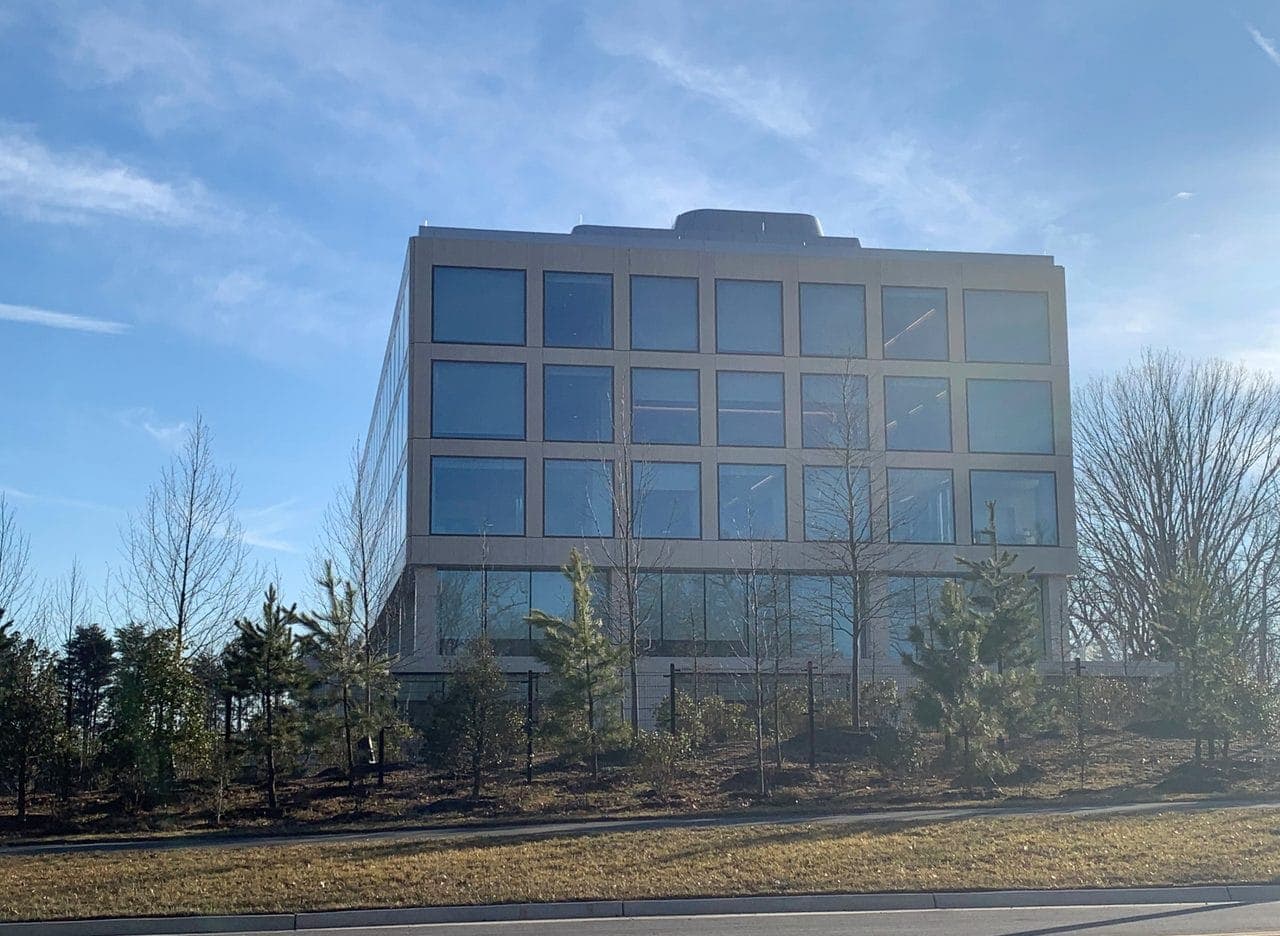
General Dynamics Information Technology (GDIT), a business unit of General Dynamics, delivers mission-critical IT and professional services to U.S. government agencies and defense sectors, with global operations across more than 50 countries and 30,000 employees. Through its GDIT Cares program, the company promotes community engagement, logging over 36,000 volunteer hours across 400 organizations. GDIT prioritizes support for military families, STEM education, health, and social services, aligning efforts with corporate values and wellness programs. GDIT is a key player in digital modernization, AI/ML, cloud, cybersecurity, and application development. It operates under parent company General Dynamics Corporation, a Fortune 100 aerospace and defense giant headquartered in Reston, Virginia. General Dynamics earned $47.7 billion in revenue in 2024 and employs over 117,000 people worldwide. Formed in 1952 from the merger of Electric Boat and Canadair, it now spans four core business segments: Aerospace (Gulfstream), Marine Systems, Combat Systems, and Technologies. General Dynamics is the third-largest U.S. federal contractor, deriving nearly 70 percent of its revenue from the federal government. It is deeply embedded in defense, IT, and military hardware, including the production of nuclear submarines, the M1 Abrams tank, Gulfstream jets, and advanced C5ISR systems. The company supports veterans, women, and diverse talent through 26 employee resource groups and received the 2021 HIRE Vets Gold Award. It has also pledged to reduce greenhouse gas emissions 40 percent by 2034, aiming for carbon neutrality before 2060.
Giant Eagle
- Website: https://www.gianteagle.com/pharmacy
- Employees: 36,000
- Headquarters: 700 Cranberry Woods Drive, Cranberry Township, Pennsylvania, 15238
- Job board: https://jobs.gianteagle.com/us/en/careers-pharmacy
- Glassdoor rating: 3.4
Giant Eagle, Inc. is a family-operated supermarket chain founded in 1931 and headquartered in Cranberry Township, Pennsylvania, with roots tracing back to 1918. It operates 211 supermarkets across Pennsylvania, Ohio, West Virginia, Maryland, and Indiana, offering a broad range of services from groceries and pharmacies to in-store banking and prepared foods. The company employs over 37,000 people and is committed to fostering a culture built on respect, teamwork, accountability, smart work, wellness, and integrity. Giant Eagle’s business philosophy centers on its Purpose Beyond Profit, emphasizing its role in supporting communities by providing life’s essentials and helping neighbors thrive. The company’s store formats include Giant Eagle, Market District, Market District Express, and Giant Eagle Express, with pharmacies embedded in many locations and an increasing number of standalone pharmacies emerging after the collapse of Rite Aid. In August 2024, Giant Eagle sold its GetGo convenience store and fuel station business to Alimentation Couche-Tard and redirected the proceeds to its core supermarket and pharmacy operations. Giant Eagle’s loyalty programs have evolved over the years, with the most recent iteration being myPerks and myPerks Pro, replacing Fuelperks+. Historically, Giant Eagle expanded by acquiring regional chains such as Rini-Rego Stop-n-Shop, Big Bear, and County Market, and has consistently modernized its operations through strategic store prototypes and retail innovations. Though dominant in the Pittsburgh market, the company has faced criticism for stifling competition and leveraging its market power. Nevertheless, it remains focused on customer satisfaction, product variety, and maintaining a strong regional presence. Under the leadership of CEO Bill Artman and Chairman Bart Friedman, Giant Eagle continues its mission to provide value, convenience, and a positive workplace while adapting to changing retail landscapes.
H-E-B
- Website: https://www.heb.com/
- Employees: 160,000
- Headquarters: Cesar Boulevard, San Antonio, Texas
- Job board: https://careers.heb.com/healthcare
- Glassdoor rating: 4.6
Founded in 1905 and headquartered in San Antonio, Texas, H-E-B Grocery Company is one of the largest privately held companies in the U.S., with more than 435 stores across Texas and Mexico, over 154,000 employees known as Partners, and annual revenue exceeding $46 billion. H-E-B operates under various formats including its flagship stores, Central Market, H-E-B Plus, Mi Tienda, Joe V’s Smart Shop, and the Favor delivery service. Deeply committed to the communities it serves, H-E-B is guided by the principle that "Each and Every Person Counts," a philosophy that shapes its customer service, workplace culture, and charitable outreach. The company donates 5% of its pretax profits to causes such as education, disaster relief, and hunger alleviation, and has provided millions in emergency aid, including during Hurricane Harvey and the 2021 Texas power crisis. Over the decades, H-E-B has become a top-ranked employer and retailer, frequently recognized for innovation, customer service, and employee satisfaction. With a legacy rooted in service and social responsibility, H-E-B continues to invest in technology, self-checkout, and operational excellence, including one of the largest milk and bread processing plants in the Southwest. The company is still majority-owned by the Butt family, with 10% of ownership shared among employees. Charles Butt currently serves as Chairman, while Craig Boyan is President. Whether through its award-winning Excellence in Education program or its responsive disaster relief efforts, H-E-B remains firmly anchored in its mission to improve the lives of Texans while fostering a dynamic, inclusive, and purpose-driven workplace for its Partners.
Humana


- Website: https://www.humana.com/
- Employees: 65,680
- Headquarters: 500 W Main St, Louisville, United States
- Job board: https://careers.humana.com/us/en/search-results
- Glassdoor rating: 3.7
Humana Inc. is a Louisville, Kentucky-based for-profit health insurance company and one of the four largest health insurers in the U.S., employing over 65,000 people. With a 2024 revenue of $118 billion, it ranked 92nd on the Fortune 500. Known for reimagining member engagement, Humana has invested in personalized care delivery and digital transformation, leveraging tools like Salesforce to connect teams and support tailored wellness journeys. Its services span insurance and care coordination, and it operates a subsidiary, Humana Military, which administers TRICARE benefits across the East Region. Humana is also active in community and cultural sponsorships, including the Grand Ole Opry and National Senior Games. The company has filed lawsuits against generic drug price-fixing and has faced public scrutiny over managed care decisions. For example, in 1996, former contractor Linda Peeno testified before Congress alleging ethical issues in managed care, while a 2009 investigation by the U.S. Department of Health and Human Services examined Medicare communications deemed misleading by AARP. Humana responded by adjusting practices and defending its positions. Through its ongoing transformation into a health and wellness company, Humana continues to focus on strengthening trust, improving outcomes, and making healthcare more accessible while navigating complex regulatory and public expectations.
Hy-Vee

- Website: https://www.hy-vee.com/my-pharmacy?srsltid=AfmBOorjO2yYFhd9n7KNImahwVw9rrySDjI4tSNIyZEjtg0OZeYX2bk3
- Employees: 75,000
- Headquarters: 5820 Westown Parkway, West Des Moines, Iowa, 50266-8223
- Job board: https://www.indeed.com/q-hy-vee-pharmacy-jobs.html?vjk=0b8125d6b648cddb
- Glassdoor rating: 3.5
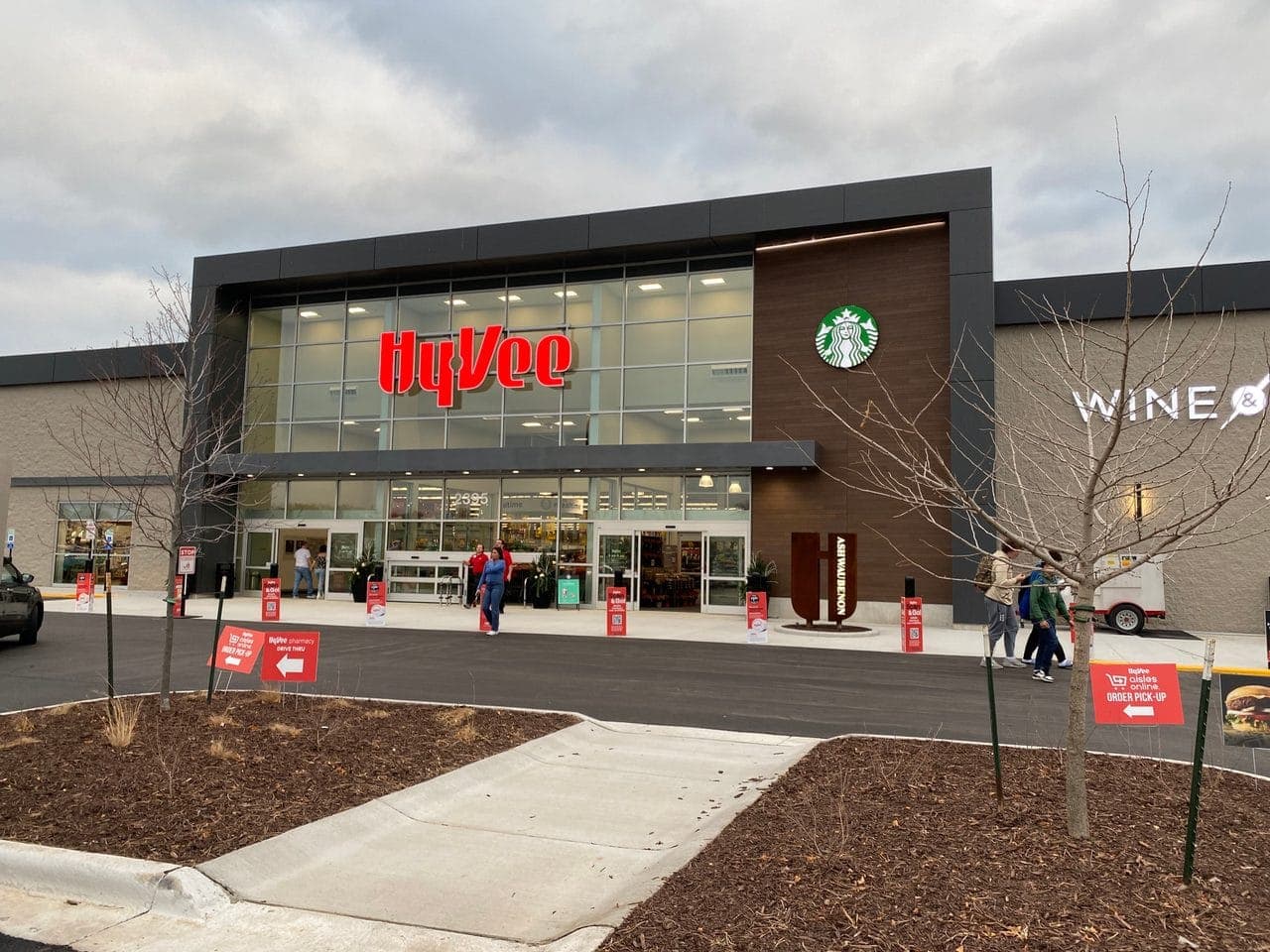
Hy-Vee, Inc. is an employee-owned supermarket chain headquartered in the Midwest, with more than 550 retail locations and over 93,000 employees. Founded in 1930 by Charles Hyde and David Vredenburg in Beaconsfield, Iowa, the company has grown into one of the largest privately owned food retailers in the U.S., generating over $13 billion in annual sales. Hy-Vee operates across Iowa, Illinois, Kansas, Minnesota, Missouri, Nebraska, South Dakota, and Wisconsin, with expansion plans into Indiana, Kentucky, Tennessee, and Alabama. Its largest stores offer full-service supermarkets with amenities such as pharmacies, restaurants, clinics, fitness centers, and coffee kiosks. Notable for its customer service slogan “A Helpful Smile in Every Aisle,” Hy-Vee has received numerous accolades, including Supermarket News’ 2023 “Retailer of the Year,” Forbes’ top rankings among private companies, and recognition as one of America’s favorite grocery stores. It is structured as an employee-owned firm, with ownership divided between direct stakeholders (executives and directors) and more than 40,000 employees via the company’s 401(k) plan. The company is led by CEO and Chairman Jeremy Gosch. In addition to grocery retailing, Hy-Vee is involved in sponsorships of sporting events, music festivals, and state fairs, helping to reinforce its community presence. Hy-Vee’s operational model includes separate buildings for fuel, liquor, and specialty services to meet legal and service requirements. Known for innovation, scale, and a strong local connection, Hy-Vee continues to expand its footprint and maintain its reputation for value, service, and quality across its growing service area.
IQVIA
- Website: https://www.iqvia.com/
- Employees: 86,000
- Headquarters: Durham, North Carolina
- Job board: https://jobs.iqvia.com/en/location/united-states-jobs/24443/6252001/2
- Glassdoor rating: 3.8
IQVIA Holdings, Inc. is a global leader in health information technology and clinical research services, headquartered in Durham, North Carolina. Formed in 2016 from the merger of IMS Health and Quintiles, the company delivers advanced analytics, transformative technology, and clinical development services to the life sciences industry. IQVIA operates in over 100 countries with around 88,000 employees and reported $15.4 billion in revenue in 2024. Its operations span three key segments: Technology & Analytics (40% of revenue), Research & Development (55%), and Contract Sales & Medical (5%). The firm provides data from over 1.2 billion de-identified patient records, enabling insights that support faster drug development and commercialization. While IQVIA has received recognition for innovation, it has faced criticism over its use of anonymized medical data and involvement in legal cases such as *Sorrell v. IMS Health*, where the U.S. Supreme Court ruled in its favor on physician-data privacy. In 2023, the FTC successfully blocked IQVIA’s attempted acquisition of Propel Media, citing concerns about reduced competition in health-related programmatic advertising. Despite these challenges, IQVIA remains a major player in global healthcare services, supported by decades of experience from its predecessor companies, IMS Health (founded in 1954) and Quintiles (founded in 1982).
Kroger
- Website: https://www.kroger.com/health/pharmacy
- Employees: 400,000
- Headquarters: Cincinnati, Ohio 45202-1100
- Job board: https://www.krogerfamilycareers.com/en/sites/CX_2001/pages/5020
- Glassdoor rating: 3.5
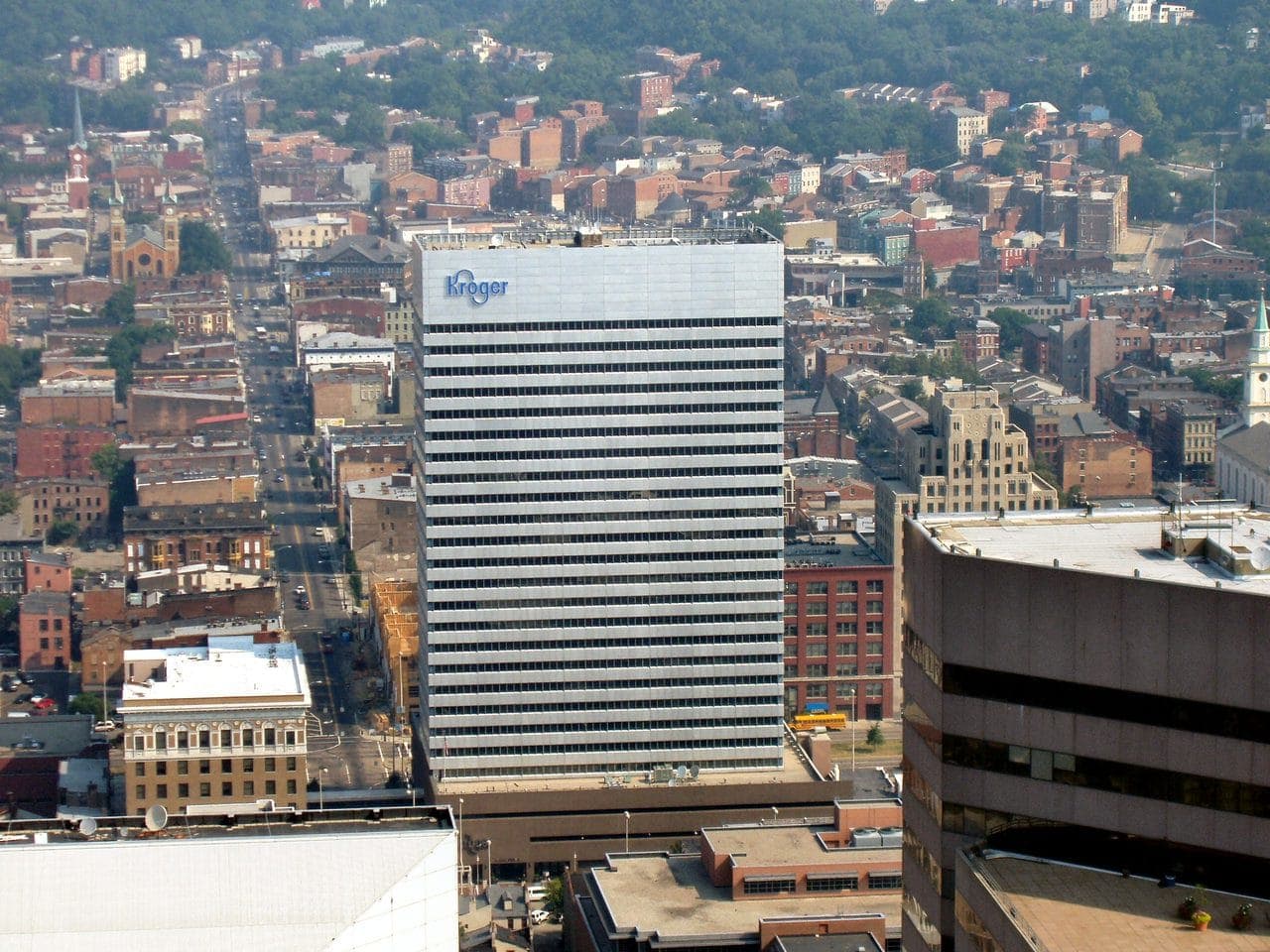
Founded in 1883 by Bernard "Barney" Kroger with a $372 investment, The Kroger Co. has grown into the largest supermarket operator in the United States by revenue, with over 2,700 grocery stores across 35 states and the District of Columbia. Headquartered in downtown Cincinnati, Ohio, Kroger operates under numerous regional banners and store formats, including combo stores, multi-department stores, marketplace locations, and price-impact warehouse outlets. The company also runs more than 2,250 pharmacies, over 1,600 fuel centers, 33 manufacturing facilities producing its popular private-label goods, and 225 in-store clinics under The Little Clinic brand. Kroger’s long-standing focus on innovation began early with in-house bakeries and meat departments and continues today through e-commerce ventures like Vitacost and Home Chef, as well as its automation partnership with Ocado. Known for its sustainability efforts, Kroger has led food rescue initiatives and pledged to expand its cage-free egg offering, though recent goals have shifted. Approximately two-thirds of its workforce is unionized, primarily through the United Food and Commercial Workers. Kroger’s total revenue reached $150 billion in 2023, placing it 25th on the Fortune 500. As of that year, Berkshire Hathaway held an 8.09% ownership stake. President and CEO Rodney McMullen, who began his career with Kroger as a part-time stock clerk, now leads the company’s ongoing transformation in digital retail, supply chain modernization, and community engagement.
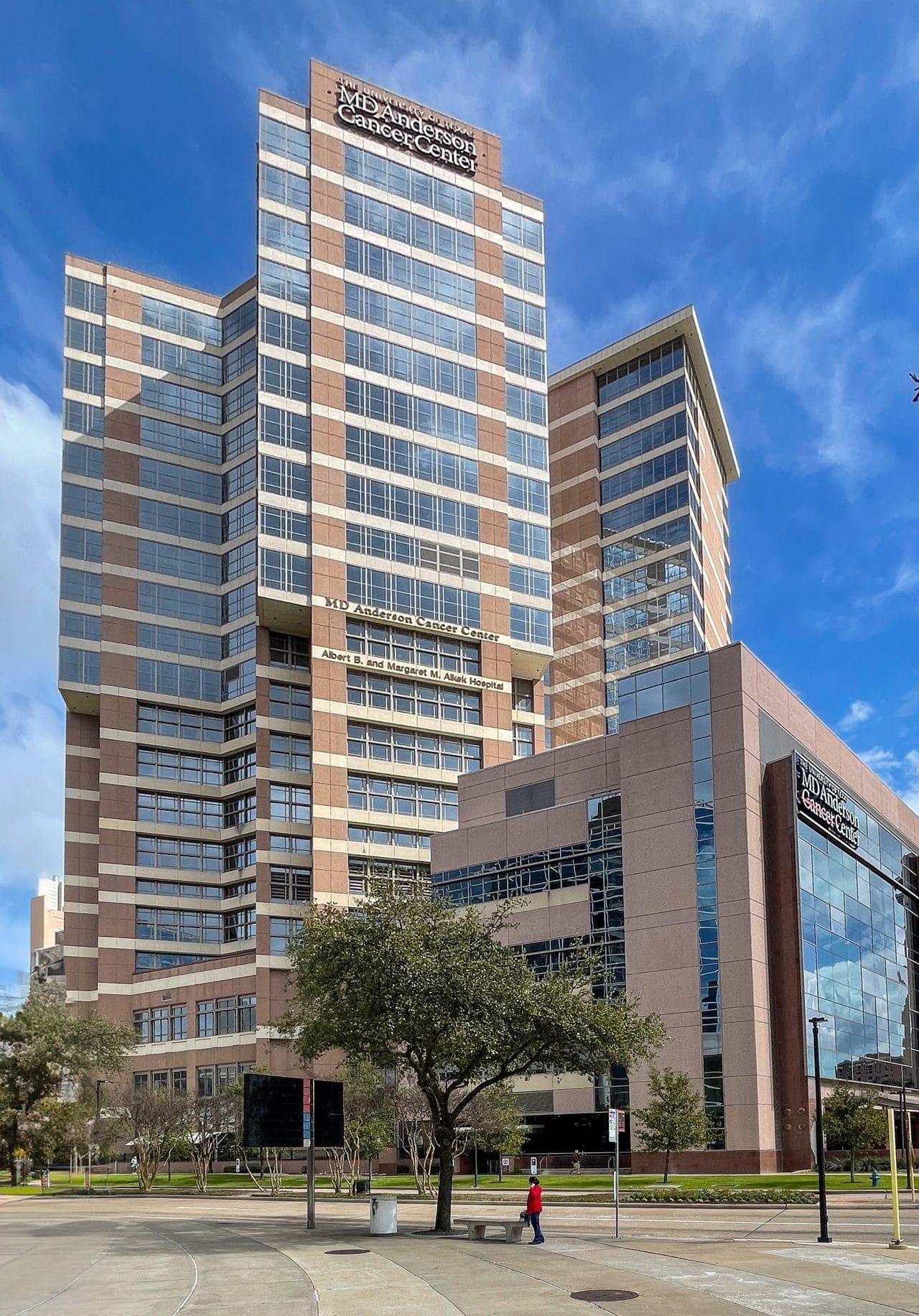
MD Anderson Cancer Center

- Website: https://www.mdanderson.org/
- Employees: 27,000
- Headquarters: Houston, Texas, United States
- Job board: https://jobs.mdanderson.org/search/searchjobs
- Glassdoor rating: 4.1
The University of Texas MD Anderson Cancer Center, founded in 1941 and based in Houston, is one of the world’s largest and most respected institutions devoted exclusively to cancer care, research, education, and prevention. A member of the Texas Medical Center and part of the University of Texas System, MD Anderson has been ranked the number one cancer hospital in the United States by U.S. News & World Report numerous times, including for the 2024–2025 period. It treats more rare cancers in a day than many physicians see in a lifetime, offering patients expert, multidisciplinary care supported by advanced diagnostics, a high volume of clinical trials, and a strong focus on innovation. The institution is home to several specialized research centers, including the James P. Allison Institute, the Sheikh Khalifa Bin Zayed Al Nahyan Institute for Personalized Cancer Therapy, and the Meyers Institute for Oncology Nursing, each dedicated to improving outcomes through targeted therapy, immunotherapy, and precision medicine. MD Anderson’s global reach includes locations across Texas, partnerships with hospitals in other U.S. states, and international collaborations in countries like Spain, Turkey, and India. Its Moon Shots Program unites researchers and clinicians to rapidly translate discoveries into patient care, and the organization receives the highest number of National Cancer Institute grants in the country. It also offers degree programs through its School of Health Professions and Graduate School of Biomedical Sciences in partnership with UTHealth. With over 21,000 employees and a vast network of volunteers, MD Anderson provides robust support services for patients and families, including integrative medicine, counseling, and survivorship programs. Through its relentless pursuit of excellence and its mission to end cancer, MD Anderson continues to lead in oncology innovation, education, and compassionate patient-centered care.
Medical Review Institute of America – MRIoA
- Website: https://www.mrioa.com/
- Employees: 1,000
- Headquarters: West Valley City, Utah, United States
- Job board: https://www.mrioa.com/careers/
- Glassdoor rating: 4.0
Medical Review Institute of America, LLC (MRIoA), founded in 1983, is a top provider of independent clinical and utilization reviews, second opinions, and data-driven optimization solutions. Serving over 900 clients nationwide, including health plans, PBMs, TPAs, government entities, and self-insured employers, MRIoA is licensed in all states where required and supported by more than 1,000 clinical review specialists. Its guiding principles, known as The MRIoA Way, emphasize honesty, integrity, innovation, and confidentiality. MRIoA holds accreditations from URAC for Health Utilization Management and Independent Review Organization, NCQA for Utilization Management, and HITRUST certification for information security. Its Clinical Solutions Platform streamlines prior authorizations and supports accurate, timely clinical decisions. MRIoA has been recognized as a top workplace in the United States and for remote work. The company fosters a strong, employee-focused culture with competitive compensation, ongoing training, and robust data privacy practices. Committed to quality and compliance, MRIoA continues to lead the industry with its technology-enabled, patient-centered approach to healthcare review.
Molina Healthcare


- Website: https://www.linkedin.com/company/molina-healthcare/
- Employees: 18,000
- Headquarters: Long Beach, California, U.S
- Job board: https://careers.molinahealthcare.com/search-jobs
- Glassdoor rating: 3.3
Molina Healthcare, Inc. is a Long Beach, California-based managed care company that provides health insurance primarily through government programs such as Medicaid and Medicare. Founded in 1980 by Dr. C. David Molina to serve low-income patients rejected by traditional providers, Molina has since grown into a multibillion-dollar public company. As of 2024, it reported $40.7 billion in revenue and employed approximately 18,000 people. The company expanded nationally through acquisitions and state contracts, offering services in more than 20 states and Puerto Rico. Under CEO Joseph Zubretsky since 2017, Molina has pursued strategic acquisitions, including Magellan Complete Care and Affinity Health Plan, to broaden its Medicare and Medicaid reach. It went public in 2003 and is now listed on the Fortune 500, ranking 126th in 2023. The company was recognized by Time, Forbes, and Newsweek in 2023 for workplace excellence. However, Molina has also faced scrutiny over high prior authorization denial rates in some Medicaid plans, with a 2023 investigation reporting denial rates above 25% in several states. In response to operational and financial shifts, Molina has exited some marketplaces and closed underperforming clinics in recent years. Beyond healthcare delivery, the company is involved in philanthropic initiatives such as a $100,000 grant to Compass Health in 2022. With a legacy rooted in accessible care and a business model focused on public-sector insurance, Molina continues to adapt within the dynamic healthcare landscape while maintaining a mission to serve vulnerable populations.
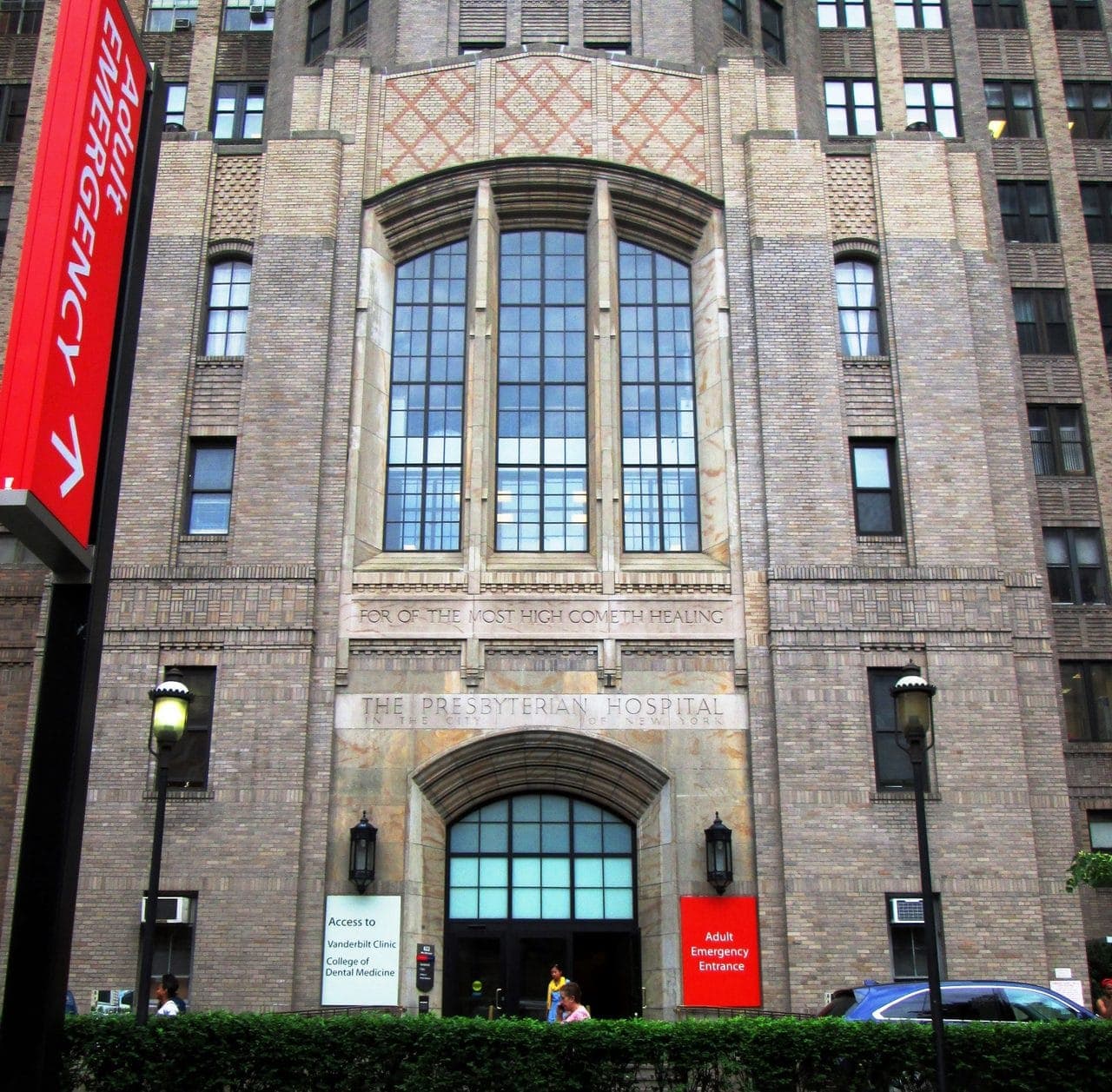
NewYork-Presbyterian Hospital

- Website: https://www.nyp.org/
- Employees: 50,000
- Headquarters: Washington Heights, New York City, USA
- Job board: https://careers.nyp.org/
- Glassdoor rating: 4.0
NewYork-Presbyterian Hospital (NYP) is a nonprofit academic medical center based in New York City, serving as the primary teaching hospital for both Weill Cornell Medicine and Columbia University Vagelos College of Physicians and Surgeons. Founded in 1771, it is one of the oldest and largest hospitals in the United States, operating over 4,000 beds across 11 campuses. The hospital employs more than 20,000 staff and affiliates with over 6,500 physicians. Its two main campuses, Columbia University Irving Medical Center and Weill Cornell Medical Center, anchor a system consistently ranked among the top hospitals nationally by U.S. News & World Report, with specialties such as neurology, cardiology, psychiatry, and pediatrics frequently ranked in the top 10. NYP was formed in 1998 through the merger of New York Hospital and Presbyterian Hospital, both of which have roots going back to the 18th and 19th centuries. The institution leads in clinical innovation, medical education, emergency services, and telemedicine, having launched mobile stroke units and played a central role in the COVID-19 response by rapidly expanding ICU capacity and building field hospitals. The network includes notable facilities such as Morgan Stanley Children’s Hospital, Komansky Children’s Hospital, and the Ronald O. Perelman Heart Institute. In 2020, the hospital also launched the Dalio Center for Health Justice to address disparities in healthcare access. Under the leadership of CEO Dr. Steven Corwin, NYP is committed to excellence in patient care, research, and employee well-being, offering a collaborative work environment across its campuses and a benefits package that supports a strong work-life balance.
Northside Hospital
- Website: https://www.northside.com/
- Employees: 30,000
- Headquarters: 1000 Johnson Ferry Road, Atlanta, GA 30342
- Job board: https://jobs.northside.com/job-search-results/
- Glassdoor rating: 4.4
Northside Hospital, a certified Great Place To Work®, is one of Georgia’s leading health systems with acute-care hospitals in Atlanta, Canton, Cumming, Duluth, and Lawrenceville, as well as hundreds of outpatient locations statewide. Renowned for leading the U.S. in newborn deliveries and excelling in cancer care, cardiovascular services, sports medicine, and surgery, Northside emphasizes transforming community health through innovation, quality, and access. With over 50 years of service, Northside brings cutting-edge diagnostics and treatments directly to Georgia communities through programs like the Northside Hospital Cancer Institute, one of the top two community cancer programs in the U.S., and its nationally recognized Blood and Marrow Transplant and Stroke Centers. Northside also features one of the nation’s most advanced outpatient joint replacement centers and is committed to innovation and improved outcomes through leading-edge technology and research. Employees benefit from robust growth and recognition programs, student loan repayment, a pension plan, 403(b) with company match, extensive health insurance options, paid family leave, wellness programs, and self-care resources. Flexible scheduling through the in-house Choice+ Program and access to on-site childcare and emergency financial support reflect the hospital’s investment in work-life balance. Northside’s culture of collaboration, innovation, and care continues to make it a preferred destination for both patients and healthcare professionals.
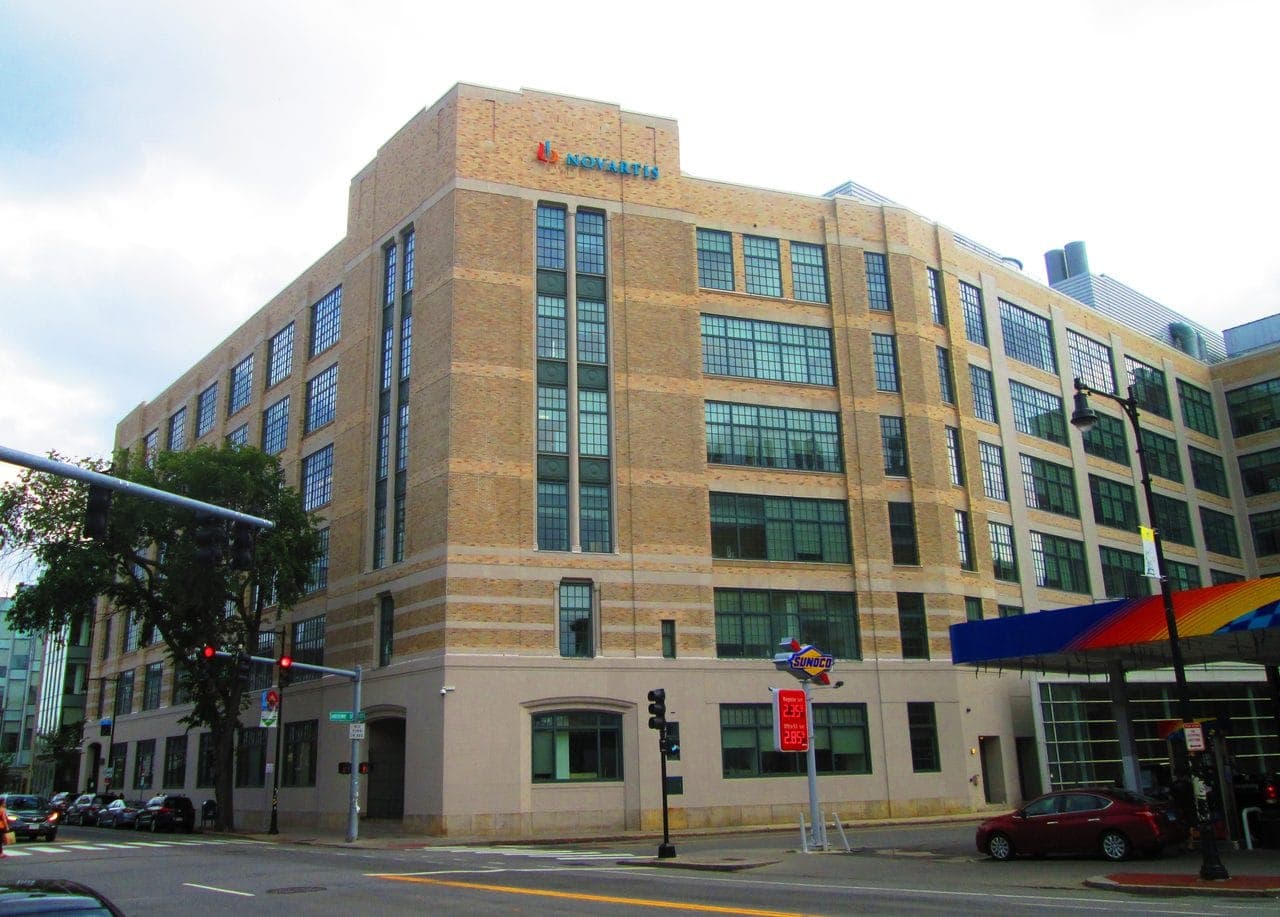
Novartis

- Website: https://www.novartis.com/
- Employees: 101,700
- Headquarters: East Hanover, New Jersey
- Job board: https://www.novartis.com/careers/career-search
- Glassdoor rating: 4.0
Novartis AG is a Swiss multinational pharmaceutical company headquartered in Basel, Switzerland, established in 1996 through the merger of Ciba-Geigy and Sandoz. With approximately 75,883 employees, it ranks among the world’s largest pharmaceutical companies, generating $50.32 billion in revenue in 2024. Novartis develops and markets a wide range of medications, including Ritalin, Gleevec, Diovan, and Exjade, and its medicines reach over 250 million people globally. It trades under the stock ticker NOVN on the SIX Swiss Exchange and is known for its commitment to inclusion, offering equitable parental leave and promoting LGBTQI+ and disability inclusion through partnerships with global organizations. CEO Vas Narasimhan has led the company’s efforts to foster a diverse and ethical workplace. While praised for its innovation and corporate culture, Novartis has also faced several controversies over the years, including marketing violations, allegations of bribery, and legal battles over patent rights, most notably in India regarding Gleevec. Despite these issues, it continues to hold a strong presence in the pharmaceutical industry and is regarded as a workplace that values equity, transparency, and employee well-being.
Optum
- Website: https://www.optum.com/en/
- Employees: 70,000
- Headquarters: Eden Prairie, Minnesota
- Job board: https://www.optum.com/en/careers.html
- Glassdoor rating: 3.5
Optum, Inc., a subsidiary of UnitedHealth Group, is a major American healthcare services provider offering pharmacy care, technology, analytics, and direct healthcare delivery. Established in 2011 through the consolidation of UnitedHealth’s existing services, Optum operates three core segments: OptumHealth, OptumInsight, and OptumRx. The company generates over $250 billion in annual revenue as of 2024 and accounts for a significant portion of UnitedHealth’s earnings. Its services support employers, government agencies, insurers, and individuals. Optum has expanded rapidly through acquisitions such as MedExpress, DaVita Medical Group, Change Healthcare, Atrius Health, and Amedisys. Its vertically integrated model, which combines pharmacy, data, and care delivery, has influenced large-scale industry mergers like CVS-Aetna, though it has drawn antitrust scrutiny. In 2019, Optum sued a former executive for joining the Amazon–JPMorgan–Berkshire venture Haven, citing trade secret concerns. That year, a study in *Science* reported that an Optum algorithm may have produced racially biased care recommendations. Despite criticism and legal challenges, Optum continues to shape U.S. healthcare through its scale, acquisitions, and data-driven strategies. Patrick Conway became CEO in April 2025.
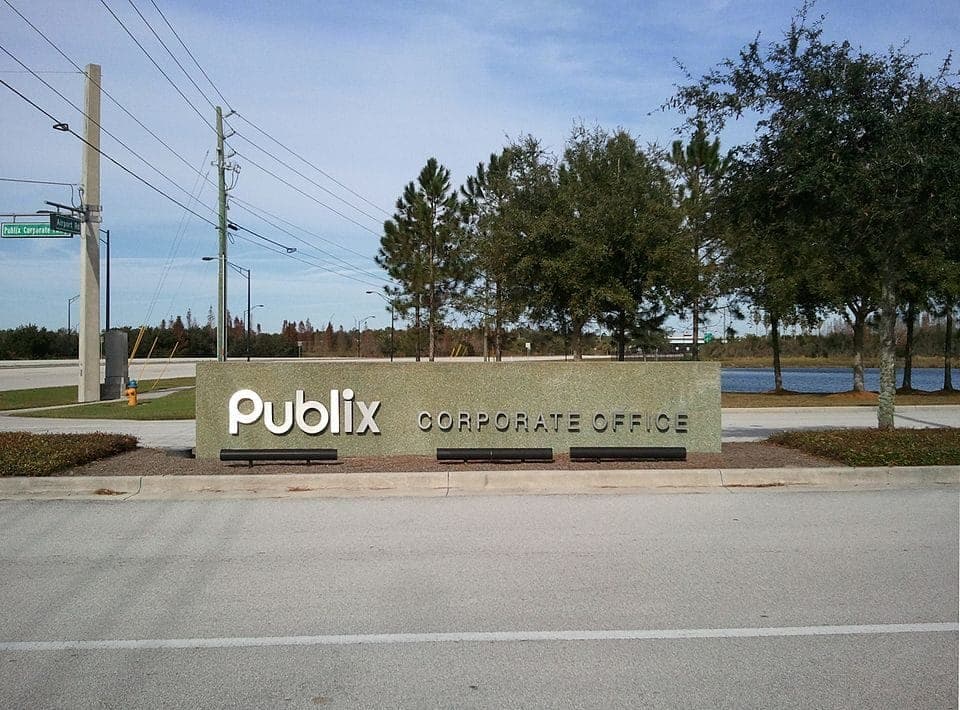
Publix
- Website: https://www.publix.com/pharmacy
- Employees: 255,000
- Headquarters: 3300 Publix Corporate Parkway, Lakeland, FL 33811
- Job board: https://jobs.publix.com/
- Glassdoor rating: 3.7
Publix Super Markets, Inc., headquartered in Lakeland, Florida, stands as the largest employee-owned supermarket chain in the United States. Founded in 1930 by George W. Jenkins, Publix has grown to 1,410 locations across eight Southeastern states, including recent expansion into Kentucky. The company operates nine distribution centers and eleven manufacturing facilities that supply fresh products to its stores, including baked goods, dairy, and deli items. Publix employs approximately 260,000 associates and is privately owned by current and former employees and the Jenkins family, who retain a 20% stake. With 2024 revenues reaching $60.2 billion, the company holds no long-term debt and has never conducted a layoff, emphasizing stability and a culture of internal ownership. Consistently ranked among Fortune’s 100 Best Companies to Work For, Publix places strong value on diversity, inclusion, and community involvement. Its stock is privately traded and available only to employees and board members. Leadership and growth have remained steady as Publix has expanded its physical footprint and enhanced its employee benefits and corporate responsibility practices over the decades.
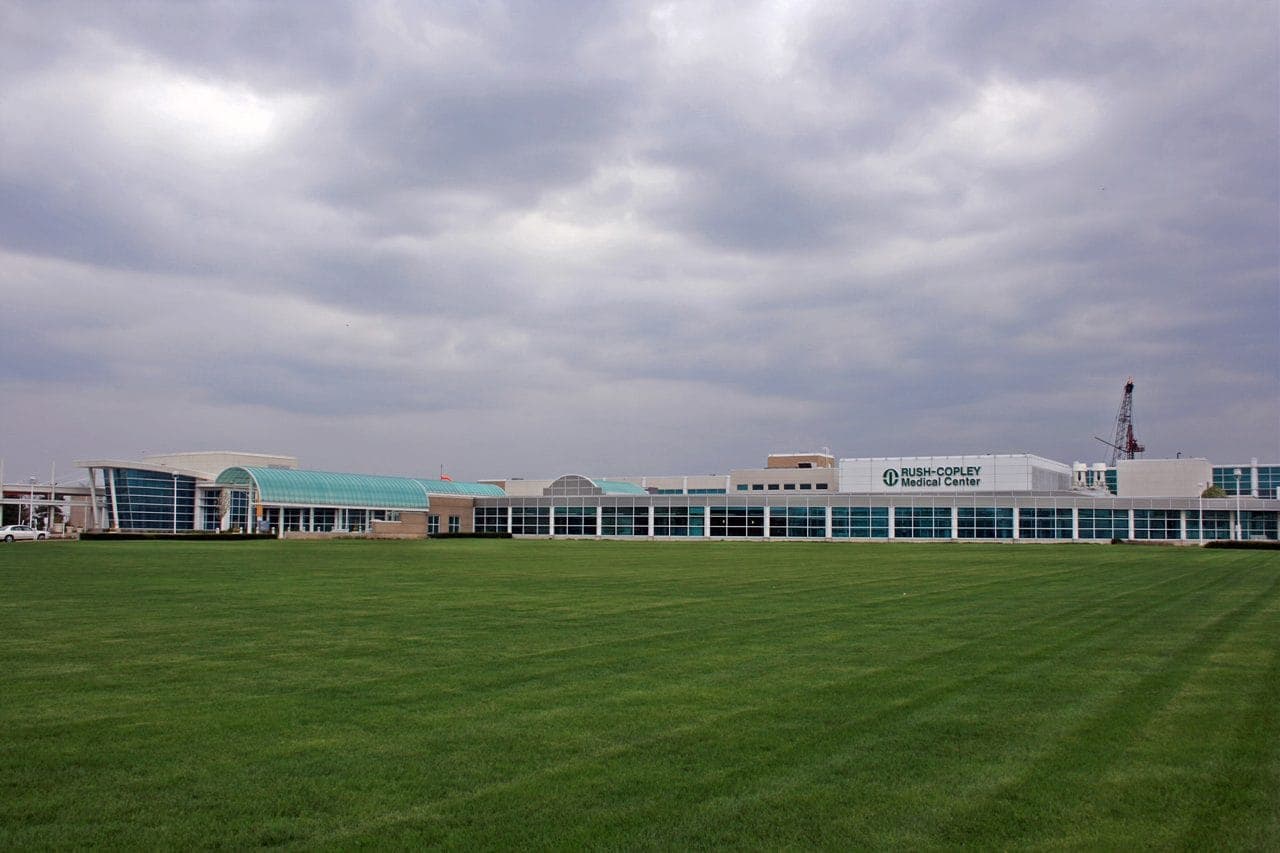
Rush Copley Medical Center

- Website: https://www.rush.edu/rush-copley-medical-group/convenient-care?utm_source=google&utm_medium=cpc&utm_campaign=rush_copley_cc_rcmg_br&utm_content=cc_aurora&gad_source=1&gad_campaignid=20315106224&gbraid=0AAAAAD_ZGIWlwDPMjDL6pRuh0SdOQovVZ&gclid=Cj0KCQjw8vvABhCcARIsAOCfwwqZvbFy8b0uUu3ww8W8Um7XiCjnE3gzUaRAH9J6ZOqfLIulA7dcjIcaAvYPEALw_wcB
- Employees: 1,474
- Headquarters: 2000 Ogden Ave, Aurora, IL 60504, USA
- Job board: https://www.rush.edu/rush-careers
- Glassdoor rating: 3.6
Rush Copley Medical Center in Aurora, Illinois, is a 210-bed acute care hospital that has been serving the greater Fox Valley community for over 130 years. Part of the Rush University System for Health, it offers advanced services in heart and vascular care, cancer treatment, women’s health, emergency services, orthopedics, and neuroscience, with many of its outcomes exceeding national standards. The hospital holds recognitions such as Magnet designation from the American Nurses Credentialing Center, an “A” grade from The Leapfrog Group, and high rankings from U.S. News & World Report. Its cancer center is accredited by the American College of Surgeons Commission on Cancer, and its Heart and Vascular Institute is an accredited Chest Pain Center. Rush Copley also operates a Level II Trauma Center serving nearly 70,000 patients annually, and its health complex includes a fitness center with facilities for physical therapy. As part of the broader Rush University System, which includes Rush University Medical Center, Rush Oak Park Hospital, and Rush University, Rush is committed to high-quality, research-driven care and community health. The system emphasizes diversity, equity, and inclusion across all areas, supporting veterans, individuals with disabilities, immigrants, LGBTQ+ communities, and older adults through targeted programs and partnerships. Rush's culture reflects a deep commitment to racial justice and health equity, guided by policies and leadership accountability. The organization is led by Dr. Omar Lateef, President and CEO.
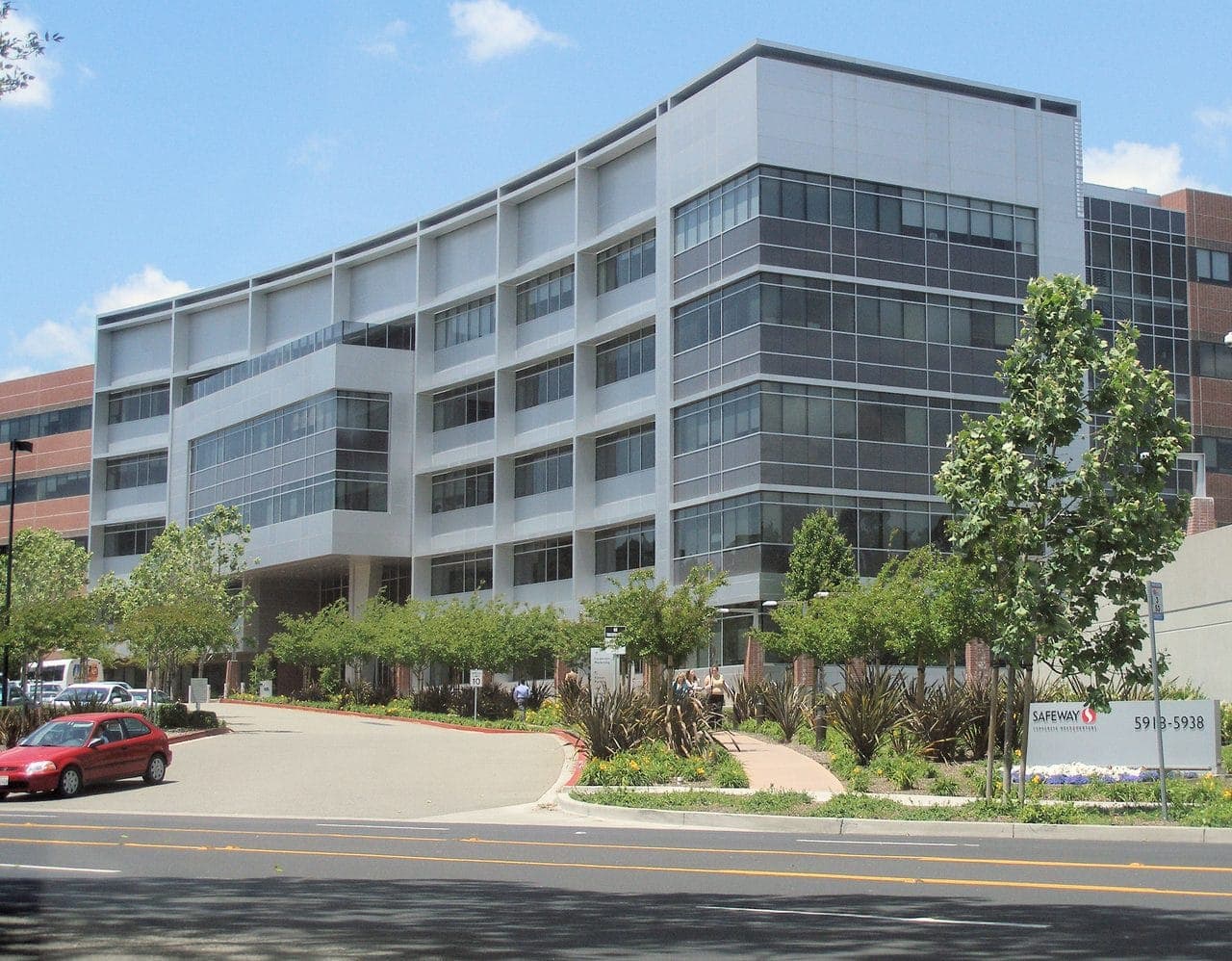
Safeway

- Website: https://www.safeway.com/
- Employees: 329
- Headquarters: 10501 P.O. Box 29093. Phoenix, AZ 85038
- Job board: https://www.safeway.ca/careers/pharmacy/
- Glassdoor rating: 3.2
Safeway, founded in 1915 by M.B. Skaggs in American Falls, Idaho, began with a mission to provide value through low margins and customer-first service. By 1926, Skaggs had expanded to 428 stores and merged with 322 Safeway (formerly Selig) stores, forming Safeway, Inc., which was listed on the New York Stock Exchange two years later. Today, Safeway operates as one of 20 banners under Albertsons Companies, one of the largest food and drug retailers in the United States. Safeway’s stores are primarily located in the Western and Mid-Atlantic regions and offer groceries, pharmacies, fuel centers, floral departments, bakeries, delis, and Starbucks cafés. Albertsons Companies, which owns Safeway, operates over 2,200 stores in 34 states and the District of Columbia and is supported by approximately 250,000 employees. Safeway’s headquarters is located in Pleasanton, California. Known for its social impact, Safeway contributes to Albertsons’ broader charitable initiatives. In 2019, Albertsons and its foundation donated nearly $225 million in food and financial support to areas including hunger relief, education, and veterans outreach. Safeway has also made public commitments to sustainability, announcing a shift to 100% cage-free egg sourcing by 2025 and earning praise for sustainable seafood sourcing practices. In 2013, Greenpeace ranked Safeway among the top performers in seafood sustainability. However, Safeway has also faced challenges, including an $8.5 million class action settlement in 2021 regarding its 401(k) retirement plan management. Despite such issues, Safeway continues to carry forward Skaggs’s legacy of innovation and community-focused retailing while maintaining a strong presence as part of the Albertsons Companies’ nationwide network of trusted grocery stores.
Scripps Health
- Website: https://www.scripps.org/
- Employees: 20,000
- Headquarters: San Diego, California, United States
- Job board: https://careers.scripps.org/
- Glassdoor rating: 3.9
Scripps Health is a nonprofit, integrated health care system based in San Diego, California, known for its commitment to clinical excellence, innovation, and community service. Founded in 1924 by philanthropist Ellen Browning Scripps, the organization has grown to include five hospital campuses, 30 outpatient centers and clinics, hospice and home health services, and a vast network of affiliated physician offices. Serving more than 700,000 patients annually, Scripps Health is supported by 17,800 employees, 3,500 affiliated physicians, and 2,000 volunteers. With a focus on delivering high-quality, compassionate care, Scripps has earned national recognition from U.S. News & World Report, Truven Health Analytics, and Fortune magazine. It operates major clinical programs including cancer care, organ and cell transplantation, genomic medicine, and integrative medicine. The system also contributes significantly to medical research and education, with affiliations such as the Scripps Clinic and Scripps Research. Scripps Health continues to expand its footprint through campus enhancements and partnerships like its joint venture with Cornerstone Healthcare for home health services. Despite some past vendor disputes, such as its 2002 transition to MedAssets to reduce supply costs, the organization maintains a strong reputation for fiscal stewardship and transparency. Ranked among the best employers nationwide, Scripps is not just a provider of care, but a trusted health partner for the Southern California community, today and into the future.
Sierra Staffing
- Website: https://sierrastaffing.com/
- Employees: 27,000
- Headquarters: 770 Trademark Dr. Suite 226, Reno, NV 89521
- Job board: https://sierrastaffing.com/jobs/
- Glassdoor rating: 3.8
Sierra Staffing is a boutique pharmacy recruitment and consulting firm specializing exclusively in health system pharmacy staffing. Founded in 1991, the firm has grown into one of the nation’s leading pharmacy-focused search and consulting agencies, serving academic medical centers, tertiary care facilities, and community hospitals. Led by founder and Senior Pharmacy Recruiter Bob Costa, a Certified Personnel Consultant, Sierra Staffing has over two decades of experience placing pharmacy professionals at all levels, from clinical and staff roles to senior directors. In 2010, the firm expanded its services by launching a pharmacy consulting division in partnership with five former administrative pharmacy directors from top hospitals, further strengthening its network and industry expertise. Sierra Staffing offers both contingency and retained search options and maintains a job board at hospitalpharmacyjobs.com for practicing pharmacists seeking hospital-based roles.
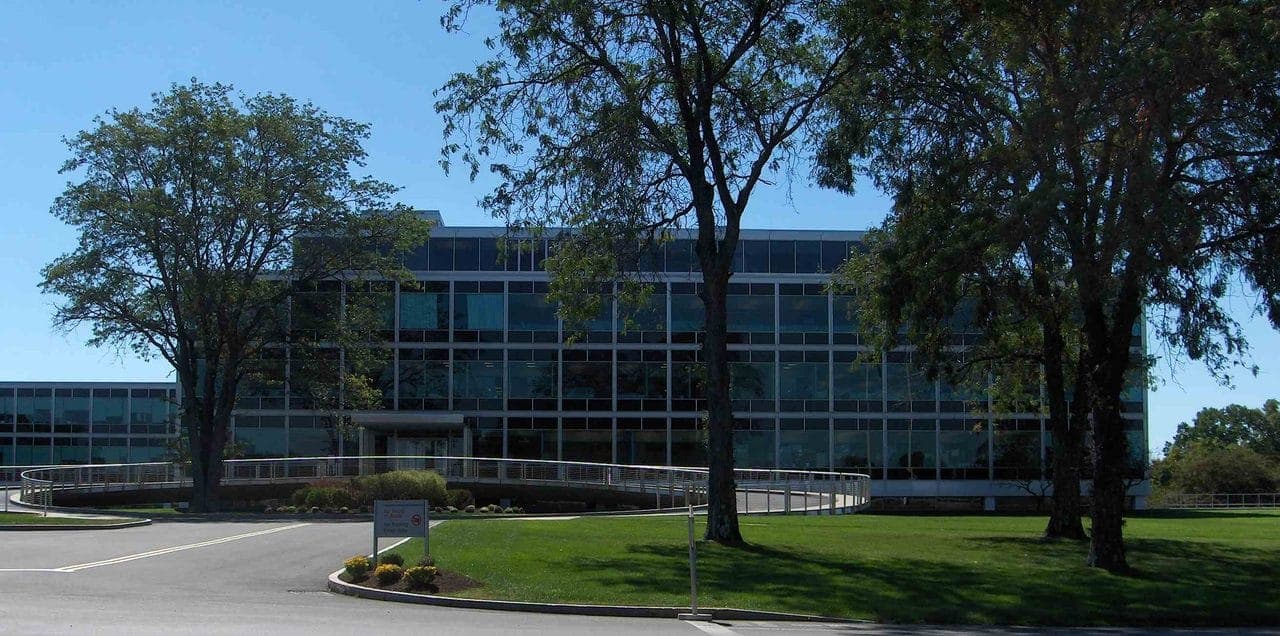
The Cigna Group

- Website: https://www.thecignagroup.com/
- Employees: 64,000
- Headquarters: Bloomfield, Connecticut, United States.
- Job board: https://jobs.thecignagroup.com/us/en
- Glassdoor rating: 3.6
The Cigna Group is a global health services and insurance company headquartered in Bloomfield, Connecticut, serving over 178 million customer relationships across more than 30 countries and jurisdictions. With approximately 64,000 employees, Cigna offers a range of products including medical, dental, disability, life, and accident insurance, primarily through employer-sponsored plans and government programs. The company operates through two major divisions: Cigna Healthcare and Evernorth Health Services, the latter formed in 2020 to encompass pharmacy, care coordination, and data-driven health solutions. In 2023, Cigna ranked 15th on the Fortune 500 list, with $180.5 billion in annual revenue. Strategic milestones include its 2018 acquisition of Express Scripts for $67 billion and a 2024 agreement to sell its Medicare Advantage and related businesses to Health Care Service Corporation for $3.7 billion. Cigna has been recognized for customer service and workplace flexibility, earning multiple J.D. Power awards and Gartner accolades. However, the company has faced criticism, including a 2023 ProPublica report stating that company doctors used software to deny claims without reviewing patient files, and past litigation over its role in denying a liver transplant in a high-profile 2007 case. In 2020, the U.S. Department of Justice filed a lawsuit alleging Medicare fraud totaling $1.4 billion. Cigna has also been involved in several merger attempts, including a failed $48 billion deal with Anthem in 2017. Despite controversies, Cigna continues to be a significant player in the healthcare industry, with a focus on innovation, global expansion, and integrated health solutions.
Walgreens
- Website: https://www.walgreens.com/
- Employees: 312,000
- Headquarters: 108 Wilmot Rd, MS #2002, Deerfield, United States
- Job board: https://jobs.walgreens.com/en/pharma
- Glassdoor rating: 3.1
Walgreens, founded in 1901 by Charles R. Walgreen, is headquartered in Deerfield, Illinois, and operates over 8,700 stores across the United States as of March 2025. It is the second-largest pharmacy chain in the country, behind CVS. Now a subsidiary of Walgreens Boots Alliance, the company trades on Nasdaq under the ticker symbol WBA. Walgreens employs tens of thousands nationwide and offers pharmaceutical products, health and wellness items, photo services, and select retail goods. The company has faced persistent public scrutiny over the years, including numerous lawsuits related to wage theft, opioid distribution, hazardous waste disposal, price discrepancies, and misleading investors. While it has maintained a strong retail presence, its public image has been damaged by legal issues and controversies such as overcharging Medicaid, selling expired products, and mishandling sensitive prescriptions. As a workplace, Walgreens has made attempts to modernize operations and adjust performance metrics to protect staff safety, yet it has also faced criticism for labor violations and employee treatment. In 2024, Walgreens announced plans to close a significant portion of its U.S. stores due to underperformance and shifting industry dynamics. The company also finalized a $10 billion deal to be taken private by Sycamore Partners in March 2025. CEO leadership has shifted over the decades, with recent executives overseeing both international acquisitions and crisis management. Walgreens’ legacy includes innovation in pharmacy retail, but its modern reputation is a complex blend of market dominance and recurring controversies.
Walmart and Sam's Club
- Website: https://corporate.walmart.com/about/samsclub
- Employees: 100,000
- Headquarters: Bentonville, Arkansas
- Job board: https://careers.walmart.com/stores-clubs/sams-club-jobs
- Glassdoor rating: 4.0
Named after Walmart’s legendary founder Sam Walton, Sam’s Club launched its first location in 1983 in Midwest City, Oklahoma, originally operating as Sam’s Wholesale Club. Today, it stands as the second-largest warehouse club in the U.S., with $90.2 billion in annual sales and nearly 600 locations across 44 states and Puerto Rico, along with international operations in Mexico, China, and brand-licensed stores in Brazil. The company, headquartered in Bentonville, Arkansas, offers bulk merchandise, private-label goods such as Member’s Mark, and additional services like fuel stations and AI-powered receipt verification. Roughly 75 percent of management began in hourly roles, contributing to a workforce of about 100,000 employees. Sam’s Club was an early adopter of technology-driven retail, launching Scan & Go and expanding its digital capabilities. Chris Nicholas currently leads the company as President and CEO, guiding its continued growth and innovation under the Walmart Inc. umbrella.
How to get a pharmacy technician certification
A pharmacy technician certification paves the way to an accessible, fulfilling career in healthcare. Becoming a pharmacy tech is an excellent decision for those with outstanding organizational, technical, and people skills. If you’re looking for a job that combines patient care with a fast-paced pharmacy environment, then this role may be a great fit for you.
Before you can start applying for roles as a certified pharmacy technician, you will need to take a certification test. There are two major exams that will grant you the Certified Pharmacy Technician (CPhT) credential: the Pharmacy Technician Certification Exam (PTCE) or the Exam for the Certification of Pharmacy Technicians (ExCPT). The PTCE is distributed by the Pharmacy Technician Certification Board (PTCB), and this certification is better suited for people seeking roles in hospital or clinical settings. The ExCPT is offered by the National Healthcareer Association (NHA) and is geared toward those who plan on working at a retail pharmacy.
The PTCE and the ExCPT differ in the number of questions, the time allotted for the exam, and their respective scaled score ranges. The passing score for the PTCE is 1400, while the passing score for the ExCPT is 390.
Here’s a breakdown of exam details for the PTCE and the ExCPT:
| PTCE | ExCPT | |
|---|---|---|
| Number of questions | 90 | 100 |
| Time | 2 hours | 2 hours 10 minutes |
| Scaled score range | 1000 – 1600 | 200 – 500 |
| Passing score | 1400 | 390 |
These exams test your knowledge of pharmacology, drug safety and controlled substances, and pharmacy law and regulations. While hospitals and similar healthcare facilities tend to prefer the PTCB certification, an NHA certification can help fast-track you to a job at a retail pharmacy, especially if you have prior retail experience.
If you’ve already taken and passed your certification exam, congrats! You are one step closer to a rewarding career as a pharmacy technician.
Conclusion
There are thousands of pharmacies, and it’s important to choose a place to work that is committed to customer care and professional development.
Pharmacy technicians at these companies are expected to provide excellent, trusted service in prescription delivery and medication management. A job at any of these locations would be a significant step in your pharmacy technician career path.
All of these firms are worth considering for a job, but be sure to do further research on their websites and Glassdoor profiles to find the right fit for you. And if you’re wondering how to get started on obtaining your pharmacy tech certification, you can learn more about CPhT exams and start your prep.
Interested in pharmacy technician jobs by setting?